
Reviewed · SCHINDLER'S FACTORY TOURS
Krakow: Schindler’s Factory and Jewish Ghetto Guided Tour
Schindler’s Factory is only part of this experience. The stronger idea is the link between the museum and the streets of Podgórze, where displaced Jewish families once lived and where fragments of the ghetto still remain. The 68 Empty Chairs memorial and the surviving ghetto wall give the museum story a physical setting.
I like the way a live guide adds meaning to displays that can otherwise feel crowded with facts. I also like the two-part format: about 90 minutes inside the factory, followed by roughly an hour walking through the ghetto. Guides such as Helena, Christopher, Ela, and Joanna have been praised for clear explanations and personal connections to the subject.
The main drawback is timing and group size. The museum galleries and corridors can feel tight with a large group, and a late tour may put the outdoor walk in darkness. If you want to see the streets and memorials clearly, choose the earliest practical start time.
Key points to know before booking
- The tour connects two places: Schindler’s Factory explains the wartime story, while Podgórze shows where that story unfolded.
- The indoor visit lasts about 90 minutes: Expect a guided museum visit, not just a quick look at Schindler’s office or factory displays.
- The outdoor walk includes major memorials: You’ll see the 68 Empty Chairs, part of the former ghetto wall, surviving houses, and the pharmacy Under the Eagle.
- A guide matters most in the ghetto: The museum has written displays, but the street walk depends heavily on explanation and context.
- Audio equipment may affect the museum portion: One report found the audio controls hard to use, while the smaller walking group was easier to follow.
- Your passport or ID may be required from January 1, 2026: Full names are needed at booking because the museum uses personalized tickets.
Why the factory and ghetto belong in one tour
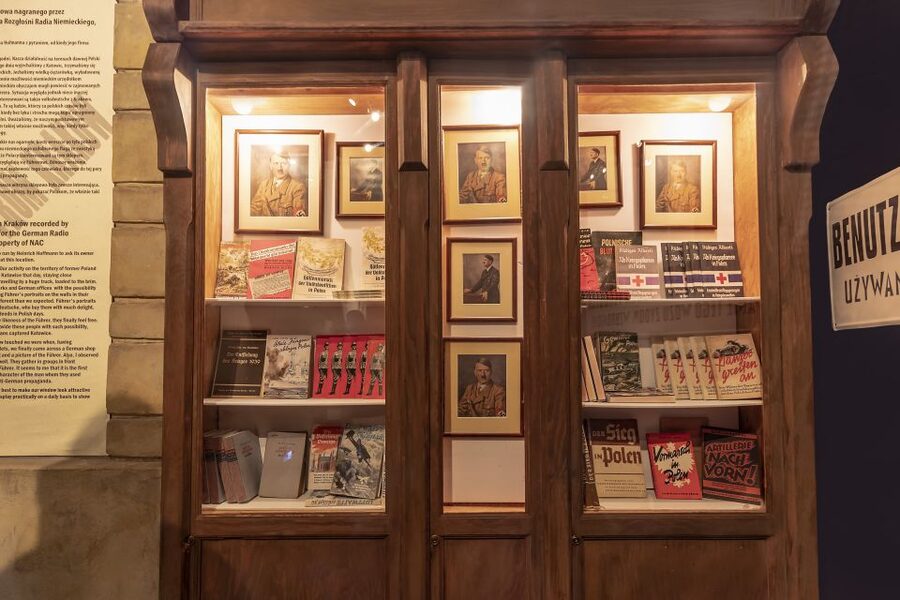
Schindler’s Factory is famous because of Steven Spielberg’s Schindler’s List, but the film can leave you with a simplified picture of Oscar Schindler. This tour gives you a broader view. You learn about Schindler as a German entrepreneur, the factory’s wartime role, and the Jewish workers he helped protect.
Then you leave the museum and walk through Podgórze, the district where the Nazi authorities created Krakow’s Jewish Ghetto. That change matters. Inside the museum, you see objects, photographs, rooms, and explanations. Outside, you stand among the streets and buildings connected to the people described inside.
I think this pairing gives you more than a museum visit on its own. The outdoor section is not a decorative extra. It helps you understand scale, distance, and daily life. You are not simply hearing about a ghetto as an abstract place. You are looking at surviving walls and houses where thousands of displaced Jews were forced to live.
The subject is painful, and the tour treats it as such. This is not a light sightseeing stop or a film-themed attraction. Expect a serious visit focused on Nazi occupation, displacement, survival, and the choices people made under extreme pressure.
More Schindler's Factory tours from Kraków:
- Krakow: Oskar Schindler’s Factory Entry Ticket & Guided Tour
★ 4.2 · 3,793 reviews - Krakow: Schindler’s Factory Tour with Entrance Ticket
★ 4.5 · 3,182 reviews - Krakow: Schindler’s Factory Skip-the-Line Ticket
★ 4.4 · 3,105 reviews
Inside Schindler’s Factory for about 90 minutes
You meet the guide at the entrance to Oskar Schindler’s Enamel Factory Museum. Look for a guide carrying an excursions.city sign. After the meeting, the group enters the museum for a guided visit lasting around an hour and a half.
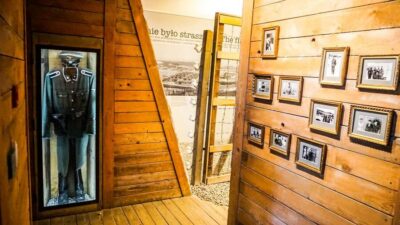
The museum section covers more than Schindler alone. You hear about Krakow before the Nazi invasion, the occupation itself, wartime life, and the later Russian occupation. That wider setting helps explain why Schindler’s actions cannot be understood through the film story alone.
The guide explains how the factory operated and how it was used to employ and protect Jewish workers. You also learn about the people who worked there and the conditions shaping their daily lives. The value of a guide is clear here: museum displays may tell you what an object is, but a good guide can explain why it matters.
Several guides have made a strong impression. Christopher has been praised for his passion and the stories he shares. Ela has been described as both a historian and a storyteller, with a personal connection to the city. Helena has also brought personal family links to the ghetto into her explanations. Those details can make the visit feel more direct, though they may also make an already difficult subject more emotional.
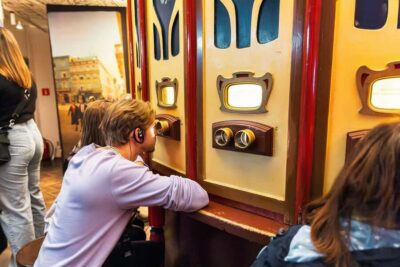
The museum galleries can be narrow. A larger group may need to keep moving, and you may not have as much time as you would like at every display. Headsets are provided, which can help when the room is crowded, but one experience found that the audio controls did not work well. In that case, the group eventually stopped using them.
This is worth knowing before you book. A strong guide can make the museum much easier to follow, but the quality of the indoor experience may depend partly on group size and audio equipment. One person felt the museum alone could have been visited without a guide because of the written displays, but found the ghetto walk far more dependent on guided explanation.
Schindler’s story beyond the movie
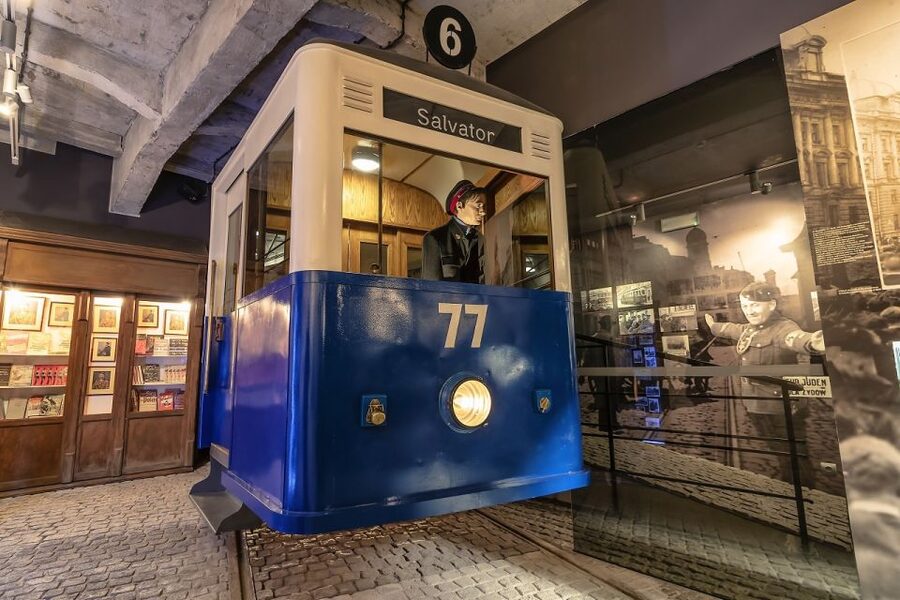
The film gives Oscar Schindler a central role, and the museum certainly explains his connection to Jewish workers. But the tour also places him within the larger events of occupied Krakow.
That distinction is useful. You are not being asked to treat the factory as a film set. You are learning about real people, real working conditions, and the decisions that allowed some Jewish workers to survive. The guide can also explain what the film changed or simplified, although the exact amount of film discussion may depend on the person leading your group.
The tour is best for anyone who has seen Schindler’s List, but it does not require prior knowledge. If you have not watched the film, the guide provides the basic setting. If you have watched it, the streets and museum displays can help separate the cinematic version from the documented events.
I would not book this expecting a long, quiet examination of every museum room. The indoor part lasts about 90 minutes, and the group must follow the guide’s pace. It is a guided overview with useful context, not a private research visit.
Walking through Podgórze and the former Jewish Ghetto
After the factory visit, the experience continues on foot in Podgórze. There may be a short break between the two sections. One three-hour visit included about 30 minutes before the outdoor walk began, so allow for a change of pace rather than expecting one uninterrupted museum tour.
The walk lasts about an hour. You see part of the undestroyed wall that once surrounded the ghetto and houses where thousands of displaced Jews lived. These are plain city details, but that is exactly why they matter. The buildings do not look like a museum display. Their ordinary appearance can make the history feel closer.
Your guide explains how the district functioned during the occupation and what happened to the people forced into the ghetto. This is where a guide’s voice is especially useful. Without context, a wall or residential building might pass as just another Krakow sight. With explanation, each stop connects to the people who lived there and to the system that confined them.
The walking portion is generally smaller than the museum group, making it easier to hear and keep up. One guide-led walk received especially strong praise because the group was smaller and no audio devices were needed. That contrast is worth considering if you dislike large guided groups.
Wear shoes suitable for city walking and dress for the weather. The tour information does not specify transport between stops, so plan on walking for the outdoor section. The experience is designed as a walking tour of Podgórze, not a coach excursion.
Other Jewish-heritage walks around Kraków:
- Krakow: Schindler’s Factory & Ghetto Guided Tour
★ 4.7 · 1,694 reviews - Krakow: Jewish Quarter and Former Ghetto Tour
★ 4.9 · 1,441 reviews - Krakow: Bike Tour of Old Town, Jewish Quarter and the Ghetto
★ 4.9 · 1,155 reviews - Krakow: Kazimierz Jewish Quarter Walking Tour
★ 4.8 · 571 reviews
Under the Eagle and the 68 Empty Chairs
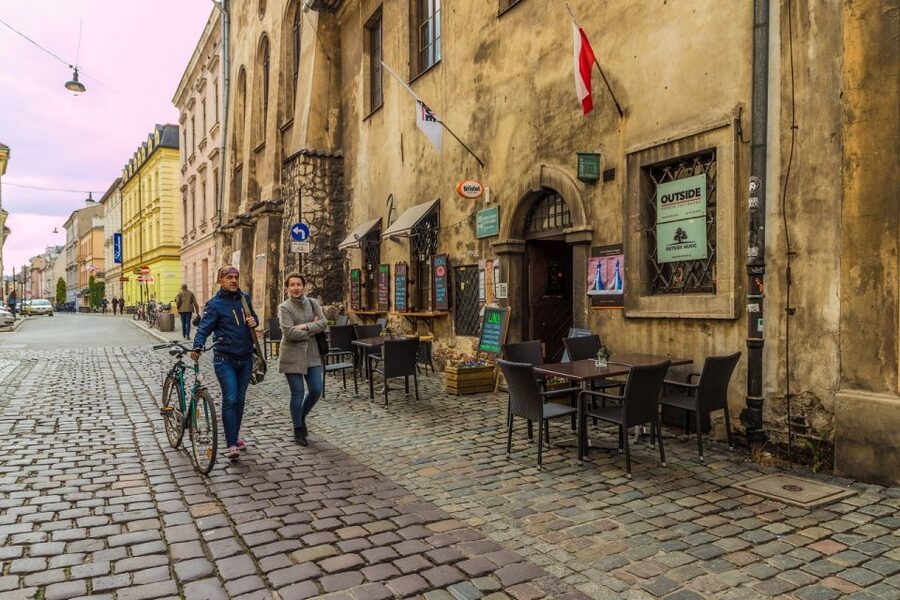
The pharmacy Under the Eagle is one of the most meaningful stops. You learn about the role it played in the lives of Jewish people during the ghetto period. The pharmacy offers a different view from the factory because it shows how an everyday business could become important within a controlled and dangerous community.
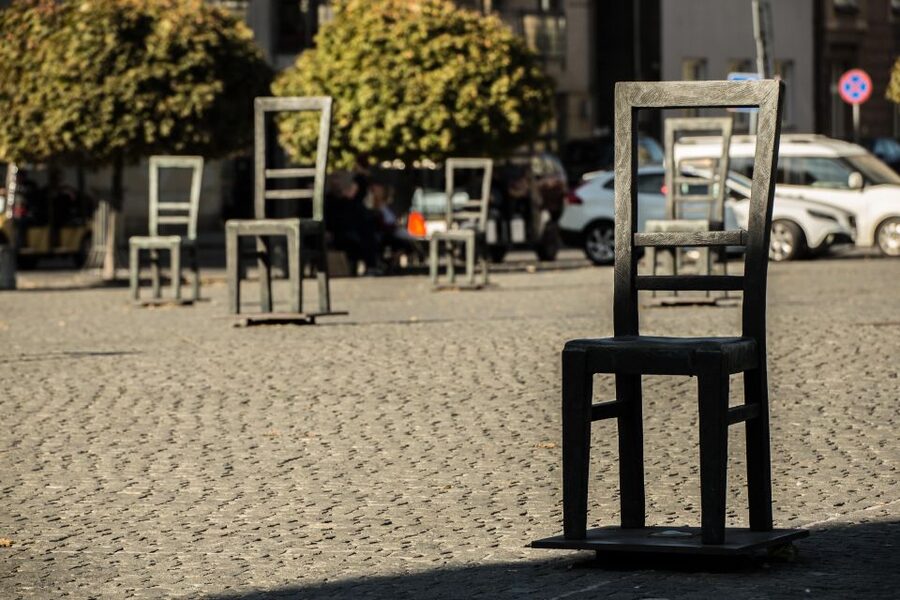
The stop at Heroes’ Square is another central moment. Here, the 68 Empty Chairs memorial marks the Jewish people removed from the ghetto. The empty chairs are easy to understand at first glance, but the guide explains their meaning and connects the memorial to the wider story of displacement.
I find this stop especially effective because it is simple and public. You do not need a long exhibit label to understand absence. The guide supplies the historical detail, while the chairs create a quiet visual reminder of the people who were forced away.
These outdoor sites also show why the timing of your booking matters. A December tour beginning at 2:30 p.m. reached the walking section after dark. The guide still explained the stops well, but it was harder to see some of the places being discussed. I would choose a morning or early afternoon start in winter if daylight matters to you.
How the three-hour schedule feels
The full experience is advertised at three hours, but the exact division can vary. A typical pattern is approximately 90 minutes in the factory, a short break, and about one hour walking through Podgórze. The schedule can also depend on museum entry arrangements.
That pace is enough for a useful first visit, but not enough to examine every display at leisure. One person would have liked more time at the factory, while another found the overall length tiring but satisfactory. I think that is a fair reading of the schedule: it is focused and substantial, but not leisurely.
The tour works best when you treat it as one major historical activity for the day. You will be listening closely, walking outdoors, and dealing with difficult material. Trying to squeeze several other major sights into the same time slot may leave you rushed.
Start times should be checked when booking. From January 1, 2026, the selected time is only an approximate preference because the museum’s schedule can change. The exact entry time is not guaranteed.
Price, languages, and booking value
At $58 per person, the tour costs more than entering a museum on your own, but it includes museum admission, the guided factory visit, and a guided walk through Podgórze. The value comes mainly from the interpretation and the connection between the indoor and outdoor sites.
If you are comfortable reading museum displays and researching the ghetto before you arrive, you may not need a guide for the factory alone. The outdoor walk is a different matter. The surviving wall, homes, pharmacy, and chairs do not explain themselves, and the guide provides the background that turns separate locations into one story.
The tour is offered in English, French, Spanish, German, and Italian. The guide is live rather than an app or recorded commentary. That gives you a chance to follow the explanation in real time, though the audio equipment inside the museum may not always be perfect.
You can reserve now and pay later, which helps if you are still arranging your Krakow plans. Cancellation is free up to 24 hours before the activity for a full refund. These terms are useful, but the more important booking issue is the museum ticket: from January 1, 2026, provide the full name of every participant and bring a passport or ID. Without those details, entry may be refused.
Who will get the most from this tour
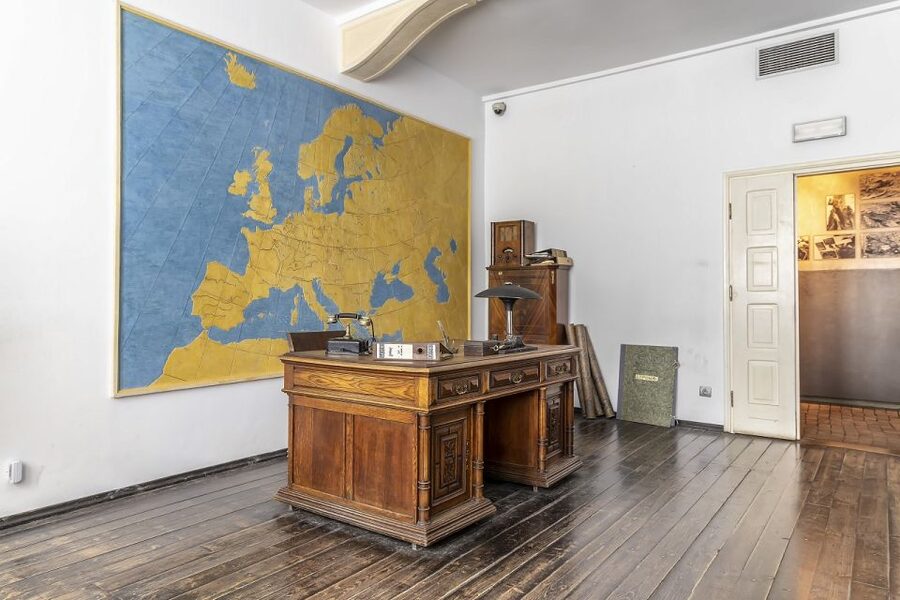
I would choose this experience if you want historical context rather than a quick photo stop at Schindler’s Factory. It suits first-time visitors to Krakow who want a guide to explain the Nazi occupation and the Jewish Ghetto in clear, connected terms.
It is also a good fit if you have seen Schindler’s List and want to learn about the actual places and events behind it. The tour helps you move beyond the film and see the city locations tied to the story.
You should think twice if you prefer to move slowly through museums, read every panel, or avoid group tours. The factory corridors can be tight, and the pace may leave little time for lingering. You may also find the subject emotionally difficult, especially when a guide shares a family connection to the ghetto or Holocaust.
For families, the decision depends on age and readiness. The supplied details do not give a minimum age, so you should judge for yourself whether the material and walking pace suit your children.
Should you book the Schindler’s Factory and Ghetto tour?
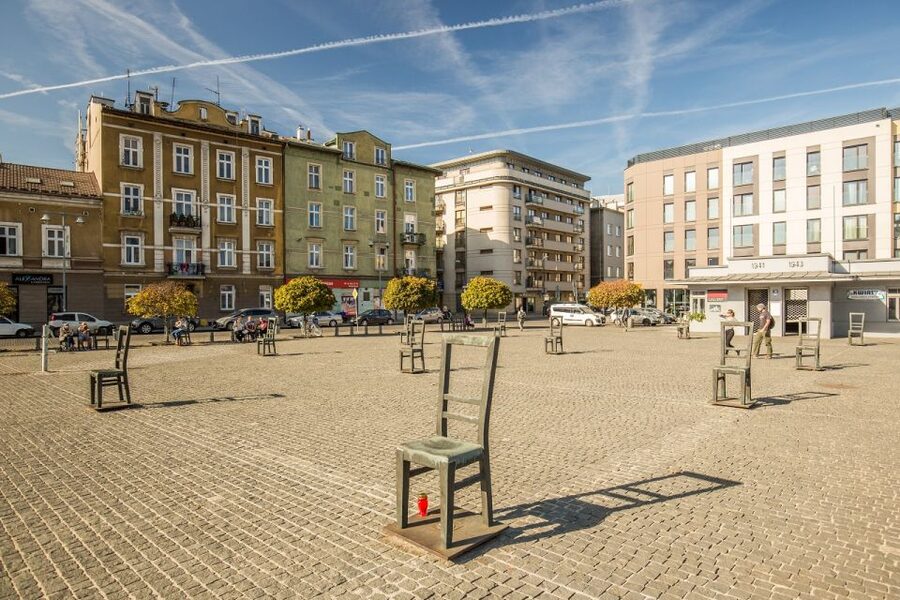
Yes, if you want the factory and Podgórze explained as one connected story. The strongest part is the combination of a serious museum visit with the surviving ghetto wall, former homes, Under the Eagle pharmacy, and 68 Empty Chairs memorial.
Book an earlier time if you are visiting in winter or want daylight for the outdoor walk. Bring the required identification from January 1, 2026, and give full participant names at booking. At $58, the tour is good value for readers who want clear guidance and historical context, but less appealing if you prefer a slow, independent museum visit.
FAQ
How long does the Schindler’s Factory and Jewish Ghetto tour last?
The activity lasts three hours. The factory visit takes about 90 minutes, and the walking tour of Podgórze lasts about one hour, with a possible break between the two sections.
What does the tour include?
It includes a live guide, entry to Schindler’s Factory, a guided tour of the factory, and a walking tour of Podgórze.
Is food or drink included?
No. Food and drinks are not included.
Where do I meet the guide?
Meet at the entrance to the Schindler Factory Museum. Look for a guide holding an excursions.city sign.
Which languages are available?
Tours are offered in English, French, Spanish, German, and Italian.
Does the tour include the 68 Empty Chairs memorial?
Yes. The walking section stops at the 68 Empty Chairs in Heroes’ Square and explains the memorial’s significance.
Will I see part of the original Jewish Ghetto wall?
Yes. The tour includes a section of the undestroyed wall around the former ghetto.
Does the tour visit the pharmacy Under the Eagle?
Yes. The itinerary includes a visit to the pharmacy Under the Eagle and an explanation of its role during the ghetto period.
Do I need identification for entry?
From January 1, 2026, you must bring a passport or ID for entry. You must also provide the full names of all participants when reserving because the museum uses personalized tickets.
Can I cancel the tour?
Yes. You can cancel up to 24 hours in advance for a full refund. You can also reserve now and pay later.
Just added in Kraków
- From Krakow: Guided Tour of Zalipie★ 4.6 · 30 reviews
- From Krakow: Zalipie Village Day-Tour★ 4.9 · 74 reviews
- Krakow: Zalipie Village Tour★ 4.6 · 8 reviews
- ZALIPIE – painted village, unique PRIVATE tour from Krakow★ 5.0 · 20 reviews
- Dunajec River Gorge and Zakopane: Full-Day Trip from Krakow★ 4.6 · 57 reviews
- Zator: Energylandia Amusement Park Entry Ticket★ 4.6 · 58 reviews
- From Krakow: Full-Day Wadowice & Czestochowa Tour★ 4.9 · 77 reviews
- From Krakow: Ojców National Park & Ogrodzieniec Castle Tour★ 4.9 · 64 reviews
Schindler's Factory Tours, compared.
Oskar Schindler’s Factory Entry Ticket & Guided Tour
Read the review →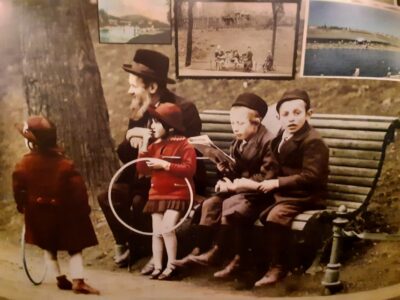
Schindler’s Factory Tour with Entrance Ticket
Read the review →
Schindler’s Factory in Krakow: Guided Tour & Skip the Line Ticket
Read the review →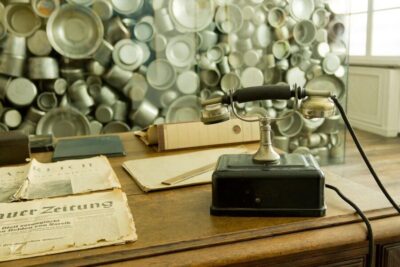
Schindler’s Factory Ticket with Guided Tour Option
Read the review →
Krakow Schindler’s Factory Guided Tour with Admission Ticket
Read the review →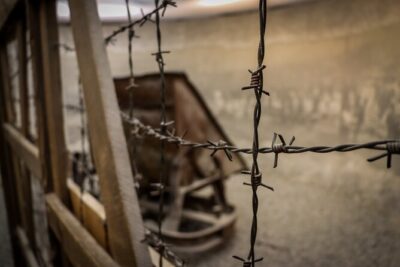
Krakow Schindler’s Factory Museum Guided Tour in English
Read the review →Browse the lists this tour appears in