
Reviewed · SCHINDLER'S FACTORY TOURS
Krakow: Schindler’s Factory & Ghetto Guided Tour
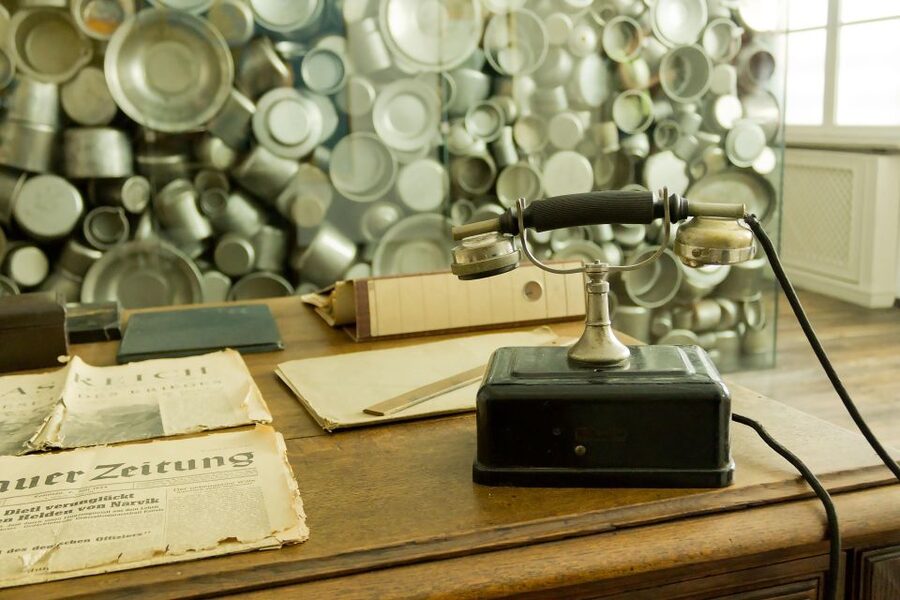
Schindler’s Factory is only part of this experience. The more powerful idea is seeing the museum’s wartime story, then walking into the Podgórze streets where that story unfolded. You’ll visit the Krakow Under Nazi Occupation exhibition and the former Jewish ghetto, with a guide connecting the displays to real places outside.
I like two things here: the tour gives you a museum ticket and a guided walk in one three-hour visit, and the headphones make it easier to follow commentary outdoors. I also like the balance between Schindler’s complicated story and the lives of the people forced into the ghetto. The main consideration is the subject matter. This is a serious, often painful tour, not a light sightseeing stop.
Key points to know before booking
- The museum and ghetto walk work together: You see the exhibition first, then visit the streets and memorials that give its story a physical setting.
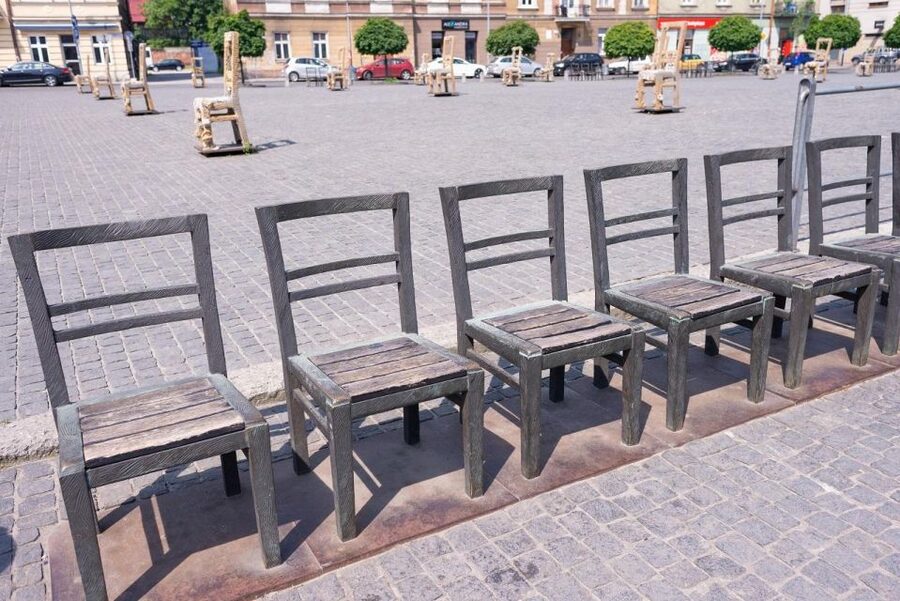
- The Empty Chair Monument is a major stop: Sixty-eight empty chairs mark the people removed from the ghetto and create one of Krakow’s clearest memorials.
- Guides bring different strengths: Hannah, Helen, Helena, and other named guides have been praised for clear explanations, personal anecdotes, and an engaging manner.
- The headphone system helps outdoors: You can hear the guide while walking rather than crowding around one person.
- The meeting point is simple: Go to the main entrance of Schindler’s Factory and look for the excursions.city sign.
- Bring identification from January 1, 2026: Personalized museum tickets require the full names of everyone booking and a passport or ID at entry.
Why this three-hour tour matters
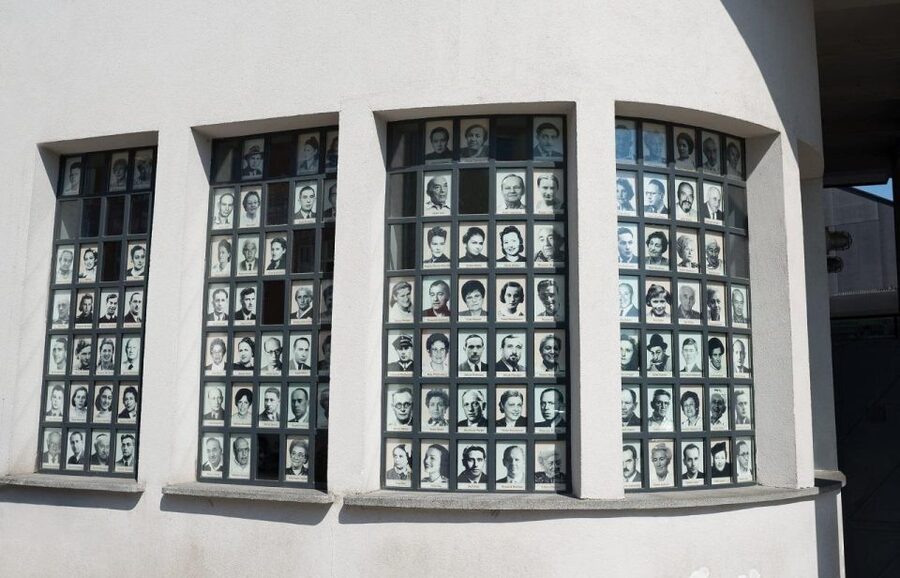
Krakow’s Second World War story is easy to reduce to one famous name. Oskar Schindler helped save numerous Jewish people, and Steven Spielberg’s film made the factory widely known. But the museum and Podgórze walk show a larger picture: Nazi occupation, forced displacement, daily fear, and the machinery of persecution.
That wider focus is the best reason to book this tour. You do not simply enter a famous building, look at a few displays, and leave. You follow a chronological account of Krakow under Nazi rule, then step into the district where thousands of displaced Jews were made to live.
I find that order useful. The museum gives you the timeline and the basic facts. The walk slows the pace and lets you notice the surviving traces in the city itself. A wall fragment, a pharmacy, an old residential building, and an empty chair can say more than a general explanation of wartime Krakow.
You should give the subject your full attention. Three hours is enough for a solid introduction, but it is not enough to cover every detail of the occupation or every story connected with Schindler. Think of this as a focused historical tour, not a complete study of Krakow during the war.
More Schindler's Factory tours from Kraków:
- Krakow: Oskar Schindler’s Factory Entry Ticket & Guided Tour
★ 4.2 · 3,793 reviews - Krakow: Schindler’s Factory Tour with Entrance Ticket
★ 4.5 · 3,182 reviews - Krakow: Schindler’s Factory Skip-the-Line Ticket
★ 4.4 · 3,105 reviews
Starting at Schindler’s Factory Museum
You meet the guide outside the main entrance to Schindler’s Factory Museum. Look for the excursions.city sign. Hotel pickup is not included, so you need to make your own way to the museum.
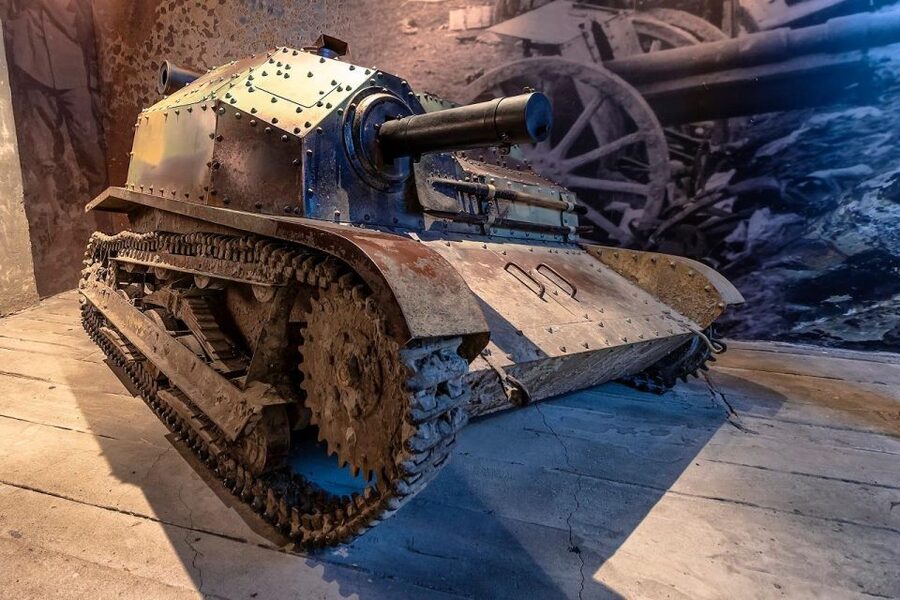
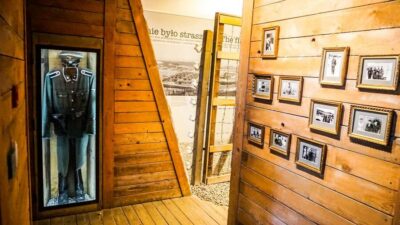
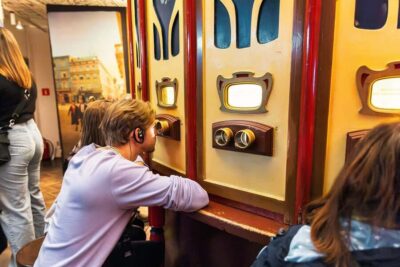
The museum visit centers on the exhibition Krakow Under Nazi Occupation. Its chronological approach is especially helpful because it shows how events developed over time rather than presenting isolated objects and dates. You can follow the sequence that led from occupation to the atrocities that followed.
That structure matters. Without a clear timeline, a museum about Nazi persecution can become a painful collection of rooms and facts. Here, the guide helps explain how official policy affected ordinary life and how conditions changed for Krakow’s Jewish population.
The exhibition also places Schindler in context. He was a German entrepreneur who helped numerous Jews during the war, but the tour does not treat his story as the whole story. You learn about his role while also considering the much larger system around him.
A strong guide makes a real difference here. Hannah and Helen have been praised for their clear explanations, while Helena has been noted for her passion and personal anecdotes. Those details matter because the museum’s subject is difficult, and a guide who can explain events in plain language helps you keep track of what you are seeing.
The exact museum timing can be approximate, particularly from January 1, 2026, because the museum’s schedule may change. You can choose a preferred time when booking, but the exact time is not guaranteed. Check the current availability before planning other Krakow activities around this visit.
Following the story into Podgórze
After the museum, the tour moves into Podgórze. This is where the experience becomes more physical and personal. Instead of viewing wartime events inside a museum, you walk streets connected to the former ghetto.
The walk includes sections of the ghetto wall that still remain. These fragments are easy to underestimate. They are not a full preserved barrier, and you should not expect a complete reconstruction. Their value is that they show how an ordinary part of the city was turned into a place of confinement.
You also see buildings where thousands of displaced Jews once lived. The experience does not turn these homes into theatrical props. Their plain appearance is part of the point. A residential building can look ordinary today, yet its walls once held people living under forced removal and severe restrictions.
This is where a live guide adds useful context. You can ask questions, hear why particular places matter, and connect what you saw inside the museum with the street in front of you. The outdoor section is not just a walk between attractions. It gives scale to the number of people affected.
The headphone system is a practical advantage. It lets you hear the commentary while moving through the district, and you do not need to stay pressed close to the guide. That is especially helpful when the group is spread along a pavement or when you want a moment to look closely at a site.
The Pod Orłem pharmacy
The historic Pod Orłem pharmacy is one of the tour’s most meaningful stops. It links the large political story to a specific place where people experienced the ghetto directly.
The pharmacy is associated with the wartime life of Podgórze and offers a more intimate point of reference than a general street view. Your guide explains why it matters and how it fits into the story of the ghetto.
Do not expect every stop to function like a conventional attraction with a large collection to inspect. Some parts of this tour are about listening, looking, and understanding the setting. The pharmacy is valuable because it helps you see how essential places in a neighborhood could carry importance during the occupation.
I like this kind of stop because it prevents the tour from becoming only about famous figures. Schindler’s name draws people to the museum, but the pharmacy helps return attention to the people who lived through the occupation and the local places connected with them.
Other Jewish-heritage walks around Kraków:
- Krakow: Schindler’s Factory & Ghetto Guided Tour
★ 4.7 · 1,694 reviews - Krakow: Jewish Quarter and Former Ghetto Tour
★ 4.9 · 1,441 reviews - Krakow: Bike Tour of Old Town, Jewish Quarter and the Ghetto
★ 4.9 · 1,155 reviews - Krakow: Kazimierz Jewish Quarter Walking Tour
★ 4.8 · 571 reviews
The 68 chairs at Heroes’ Square
The Empty Chair Monument at Heroes’ Square is likely to be the tour’s most immediately striking outdoor memorial. Its 68 chairs are arranged as a symbol of the people removed from the ghetto.
The image is simple and hard to forget. Empty chairs suggest missing residents without requiring a long explanation. The monument also works well at the end of the outdoor section because it gathers the tour’s themes into one clear visual statement: homes emptied, families displaced, and a community broken apart.
Your guide’s explanation is important here. Without context, you might see the chairs as an unusual public sculpture. With the story behind them, the square becomes a place for quiet reflection.
Allow yourself a little time to look rather than rushing to the next stop. This is not a site that rewards quick photography alone. The chairs are most effective when you understand what the absence represents.
What the guide adds to the experience
A guided visit is particularly useful at Schindler’s Factory because the subject requires more than labels on museum walls. You need a clear sequence of events, explanations of terms and places, and help separating Schindler’s role from the broader history of Nazi-occupied Krakow.
The best guide style for this tour is calm, direct, and prepared to handle difficult questions. Named guides including Hannah, Helen, and Helena have been praised for their strong command of the subject, engaging delivery, and personal anecdotes. One guide was also singled out for speaking clearly and bringing the story to life through imagination.
Those comments point to the main strength of the experience: the guide is not merely escorting you through the museum. The guide helps you understand why each stop matters. The headphone system adds to that by making the commentary easier to hear during the walk.
Language choice is another practical plus. Tours are offered in English, German, Italian, French, and Spanish. Make sure you select the language you want when checking available times.
The experience may feel different depending on the guide assigned to your date. The overall route and museum visit remain the same, but delivery, pacing, and the amount of personal explanation can vary. That is normal for a live tour, and the strong guide feedback suggests that the provider places real value on presentation.
Is $58 a fair price?
At $58 per person, this is not the cheapest way to see Schindler’s Factory. The price includes the museum ticket, a professional guide, and the walking tour, so you are paying for interpretation as well as entry.
I think the value is reasonable if you want the museum and Podgórze connected in one visit. Buying a museum ticket alone would give you access to the exhibition, but it would not provide the same guided movement through the ghetto sites, the surviving wall sections, the pharmacy, and the chair monument.
The price also saves you from having to plan the historical sequence yourself. You do not need to decide which Podgórze locations belong together or work out how the museum relates to them. The guide does that work while you focus on the story.
The value is weaker if you prefer to read every display at your own speed or spend a long time in one museum room. A three-hour guided visit has a set rhythm. You will gain structure and context, but you will have less freedom than on a self-guided visit.
Food and drinks are not included, though that should not be a major issue for a three-hour activity. Hotel pickup and drop-off are also excluded, so factor in your own transport to and from the museum.
Who should book this experience?
This tour suits first-time visitors to Krakow who want a clear introduction to the city’s wartime history. It is also a good fit if you prefer a guide to explain difficult material rather than trying to piece it together alone.
You will get the most from it if you are willing to walk through Podgórze and think about places that do not look dramatic today. The ghetto wall sections and former homes are meaningful because of what happened there, not because they are polished monuments.
The tour is less suitable if you want a relaxed sightseeing outing or a short visit centered only on Oskar Schindler. The subject includes persecution, forced displacement, and mass suffering. It deserves time and attention.
Families should judge the tour based on the age and temperament of their children. The supplied details do not give a minimum age, but the material is plainly serious. Younger children may not find a three-hour museum and historical walk easy to process.
Practical details that can shape your visit
The tour lasts three hours, and starting times depend on availability. Choose a preferred time, but remember that museum scheduling can change, especially under the arrangements noted from January 1, 2026.
For museum entry from that date, provide the full names of all participants when reserving. Each person must also bring a passport or ID. Personalized tickets mean that missing identification could lead to denied entry.
Cancellation is flexible up to 24 hours before the activity for a full refund. You can also reserve now and pay later, which helps if you are still arranging the rest of your Krakow schedule.
Meet at the main entrance of Schindler’s Factory Museum, not at your hotel or another city-center landmark. The guide will carry an excursions.city sign. Arriving at the correct entrance matters because the tour does not include hotel pickup.
Should you book this Krakow tour?
Book it if you want a serious, well-organized look at Schindler’s Factory and the Podgórze ghetto in one visit. The museum’s chronological approach, the outdoor sites, and the clear headphone system give you a useful structure for a difficult subject.
I would especially choose this tour if you value strong guiding. Hannah, Helen, and Helena have each been praised for clear explanations, passion, and personal stories, and those qualities can make a major difference here.
Skip it if you want to explore the museum slowly on your own or if the wartime subject is not right for your trip. For everyone else, $58 is a fair price for a three-hour guided experience that connects the famous factory with the streets and memorials that surround it.
FAQ
How long does the Schindler’s Factory and ghetto tour last?
The tour lasts three hours.
What does the $58 price include?
The price includes admission to Schindler’s Factory Museum, the walking tour, and a professional tour guide.
Where is the meeting point?
Meet your guide in front of the main entrance to Schindler’s Factory Museum. Look for the excursions.city sign.
Is hotel pickup included?
No. Hotel pickup and drop-off are not included.
What languages are available?
The tour is offered in English, German, Italian, French, and Spanish.
What places will the walking tour visit?
The route includes Podgórze streets, surviving sections of the ghetto wall, former homes where displaced Jews lived, the historic Pod Orłem pharmacy, and the Empty Chair Monument at Heroes’ Square.
Can I cancel for a full refund?
Yes. You can cancel up to 24 hours in advance for a full refund.
What identification is required from January 1, 2026?
You must provide the full names of all participants when reserving and bring a passport or ID for museum entry. Without these, entry may be denied.
Just added in Kraków
- Wawel Castle, Old Town with St. Mary’s Church Guided Tour★ 5.0 · 3 reviews
- Wawel Castle, Old Town with St. Mary’s Church Guided Tour★ 5.0 · 5 reviews
- Wawel Castle, Cathedral, Old Town and St. Mary’s Basilica★ 4.8 · 13 reviews
- Wawel Castle, Cathedral, & Rynek Underground Tour with Lunch★ 4.5 · 10 reviews
- Wawel Castle & Cathedral Skip the Line Small Group Tour★ 5.0 · 3 reviews
- Wawel Castle and Cathedral Guided Tour★ 4.6 · 44 reviews
- Wawel Castle, Cathedral, Rynek Underground Tour with Lunch★ 5.0 · 3 reviews
- Wawel Castle and Cathedral Guided Tour★ 5.0 · 8 reviews
Schindler's Factory Tours, compared.
Oskar Schindler’s Factory Entry Ticket & Guided Tour
Read the review →
Schindler’s Factory Tour with Entrance Ticket
Read the review →
Schindler’s Factory in Krakow: Guided Tour & Skip the Line Ticket
Read the review →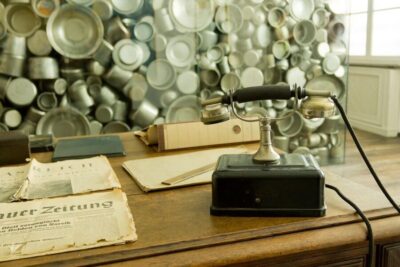
Schindler’s Factory Ticket with Guided Tour Option
Read the review →
Krakow Schindler’s Factory Guided Tour with Admission Ticket
Read the review →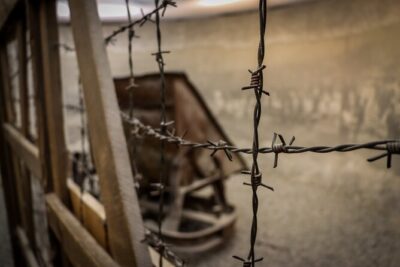
Krakow Schindler’s Factory Museum Guided Tour in English
Read the review →Browse the lists this tour appears in