
Reviewed · SCHINDLER'S FACTORY TOURS
Schindler’s Factory Museum Guided Tour – Krakow
Krakow’s Schindler Factory Museum is less a shrine to one famous man than a clear, often painful account of Krakow from 1939 to 1945. The exhibition follows ordinary people through occupation, forced removal, the ghetto, and Płaszów, using objects, photographs, documents, and carefully built scenes.
I like the way the tour puts the city’s daily life beside the larger events, and I like having a live guide to explain details that can be easy to miss. The preserved office and its symbolic ark of pots also give Schindler’s story a fitting place within the wider history. The main drawback is time: 90 minutes goes quickly, especially in a group, so you will not study every display at leisure.
Key points to know
- Walk through wartime Krakow: The exhibition recreates daily life under occupation with personal papers, newspapers, photographs, and common household objects.
- See the former factory office: Oskar Schindler’s preserved office includes an ark-like installation made from thousands of pots.
- Follow the ghetto and Płaszów: The route includes a tight ghetto setting, a Jewish apartment, and material connected with the camp at Płaszów.
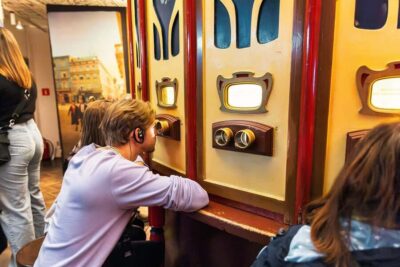
- Use the tram scene as a time machine: A recreated tram lets you watch film footage of the city through its windows.
- Save time at the entrance: Your museum ticket is included, and the tour offers skip-the-ticket-line entry.
- Plan for a group pace: A guide adds vital context, but the fixed 90-minute schedule leaves little room for a long stop at each display.
Why Schindler’s Factory Tells More Than Schindler’s Story
The museum occupies the former administrative building of Oskar Schindler’s enamel factory in Krakow. Its name naturally brings the 1993 film to mind, and the museum does address the factory owner who saved more than a thousand Krakow Jews. But this is not a simple biographical museum about a wartime hero.
That distinction matters. If you arrive expecting a room-by-room account of Schindler’s private life, you may be surprised. The main subject is the wartime city and the people caught inside it. Schindler appears as one part of that story, with his preserved office serving as a powerful stopping point rather than the whole visit.
I find this approach useful because it keeps the focus on what occupation meant on the ground. You see how official orders, racial persecution, forced movement, and camp imprisonment affected individuals and families. The story is told through ordinary objects as much as through major events.
A guide helps connect those pieces. Without commentary, a photograph, newspaper, or document can remain just an old item behind glass. With context, it becomes evidence of how quickly everyday life changed.
More Schindler's Factory tours from Kraków:
- Krakow: Oskar Schindler’s Factory Entry Ticket & Guided Tour
★ 4.2 · 3,793 reviews - Krakow: Schindler’s Factory Tour with Entrance Ticket
★ 4.5 · 3,182 reviews - Krakow: Schindler’s Factory Skip-the-Line Ticket
★ 4.4 · 3,105 reviews
Entering the Exhibition Through Everyday Krakow
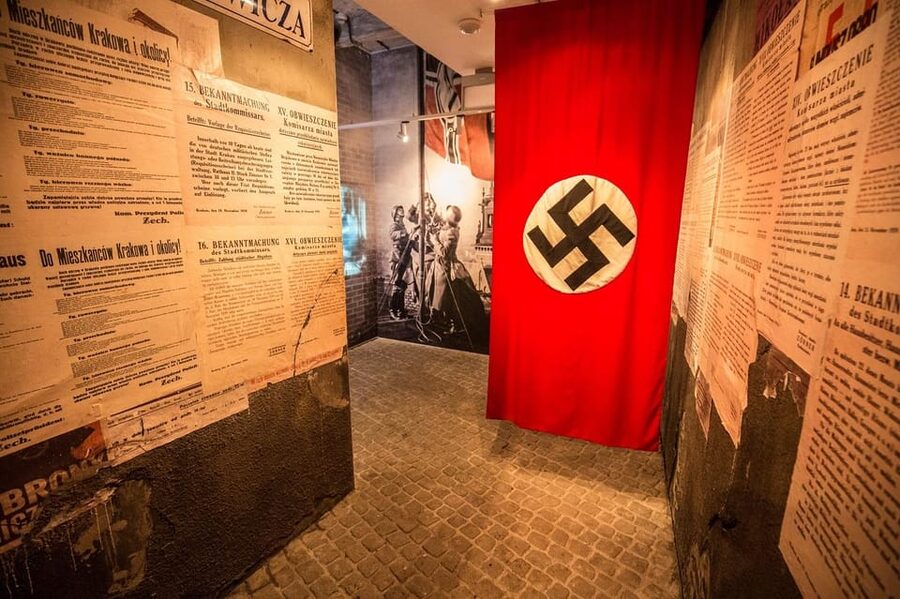
The permanent exhibition presents the war in both individual and collective terms. You move through an account of occupied Krakow built from photographs, newspapers, personal documents, official papers, and common objects.
That choice gives the museum a human scale. Military history often focuses on commanders, battles, and dates. Here, the exhibition also asks what people saw, carried, read, wore, and used as the city was reshaped by German occupation.
The displays include scenes linked to a photographer and a tailor, along with an authentic photo studio setting. These spaces help you picture working life before and during the war. They are not just decorative period rooms. They show how normal trades and routines existed beside a system that was becoming more oppressive.
You might also notice how the museum moves between public rules and private experience. Official documents explain the machinery of control, while personal items suggest how people tried to live within it. That contrast is one of the strongest reasons to take the guided version rather than rush through alone.
The material can be difficult. This is a museum about persecution, displacement, and death, not a light historical attraction. The presentation uses multimedia elements and reconstructed settings, so you should expect an emotional visit as well as an educational one.
The Tram Ride Through Occupied Krakow
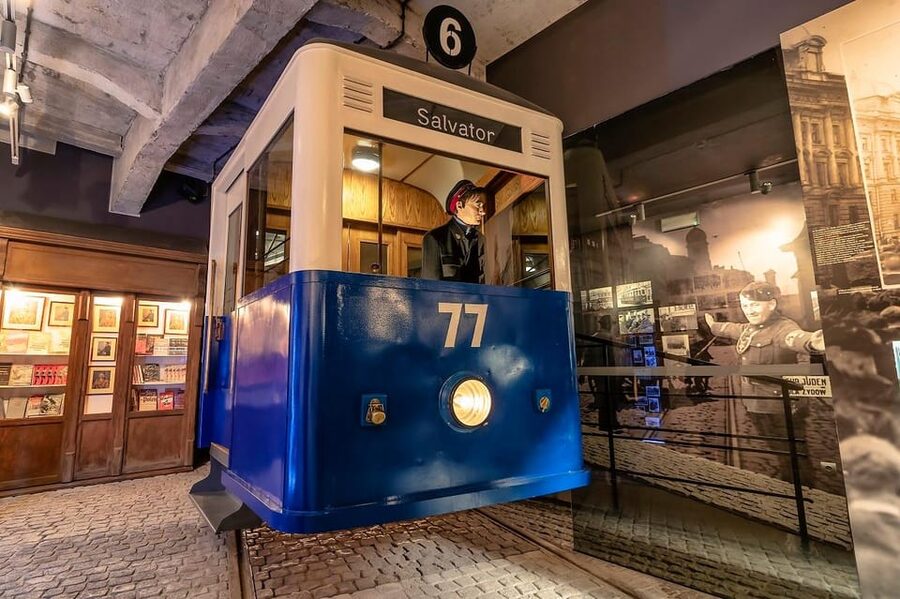
One of the exhibition’s memorable devices is a tram carriage. Through its windows, you watch film footage showing city life during the war.
The tram works because it gives the exhibition movement. Instead of looking at Krakow only as a collection of still images, you get a sense of passing streets and a city continuing to function under extraordinary pressure. It is a brief pause from the display cases, but it also reinforces the idea that occupation was lived in public spaces, not only inside offices or barracks.
I would pay attention to this section even if you are eager to reach the Schindler material. The tram helps set the city-wide context. It shows why the museum is about Krakow’s inhabitants as a whole, not only the workers at the factory.
The exact amount of time spent here depends on the guide and the group. Since the tour lasts 90 minutes, you may not be able to linger as long as you would on an independent visit. Still, the guide’s explanation can make the short presentation more useful.
Inside the Ghetto and a Jewish Apartment
The route then brings you into a tight labyrinth representing the Jewish ghetto. A Jewish apartment forms part of this section.
The physical design is important. A map can show boundaries, but a narrow route and confined rooms give you a stronger sense of restriction. The exhibition is asking you to think about how space itself became a tool of control. Families were forced into limited areas, daily routines were disrupted, and movement was no longer a private choice.
The apartment setting brings the story down to the household. Look for the connection between the official documents outside and the lived experience inside. The power of this section comes from that shift: one moment you are looking at rules issued by authorities, and the next you are considering what those rules meant for people in a home.
This portion may be especially affecting for visitors who prefer history told through personal settings. It is also one reason the tour is not simply a film-location visit. The museum uses Schindler’s name to draw attention, but its central concern is the destruction and survival of a community.
A few more things to do in Kraków worth a look
- Auschwitz-Birkenau Museum and Memorial Guided Tour from Krakow
★ 4.5 · 1,510 reviews - Krakow: Rynek Underground Museum Guided Tour
★ 4.6 · 1,122 reviews - Krakow Schindler’s Factory Museum Guided Tour in English
★ 4.5 · 650 reviews - Krakow: Auschwitz Birkenau Museum Guided Tour with Pickup
★ 3.6 · 544 reviews
Płaszów and the Limits of a 90-Minute Visit
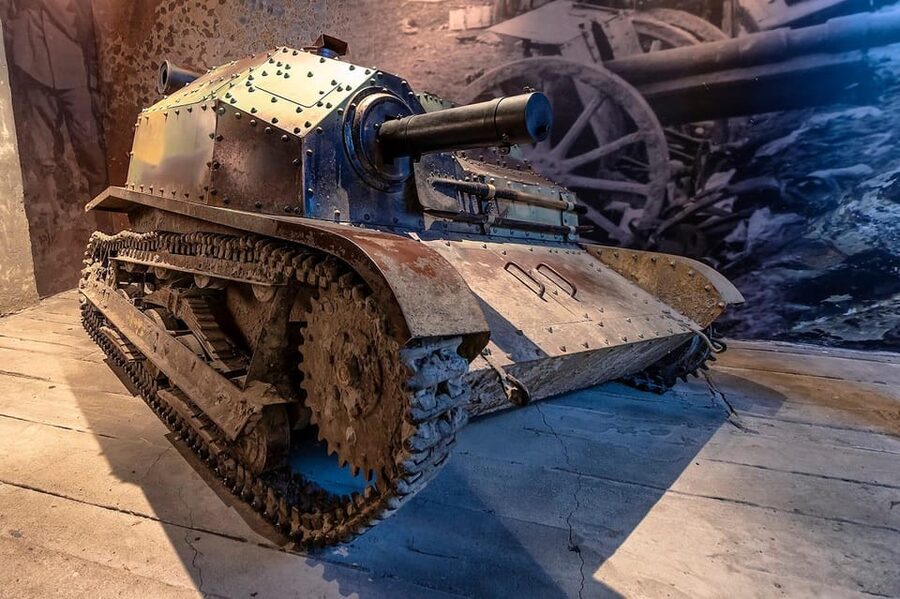
From the ghetto section, the exhibition takes you toward Płaszów, the camp connected with the next stage of persecution for many Krakow Jews. The route places the camp within the sequence of wartime events rather than treating it as an isolated subject.
This section can feel compressed. A 90-minute group tour has to cover the city, occupation, ghetto, camp, and Schindler, so you should not expect a full study of every document or display. The advantage is that you receive a guided outline of the whole story. The tradeoff is that you may wish for more time at particular sections.
That tension is worth considering before booking. One experienced guide can give you information you might miss alone, but a group must keep moving. If you like reading every caption and examining each object closely, plan to return independently if the museum schedule and ticket rules allow. If your priority is a clear narrative with expert explanation, the timed tour makes good sense.
The Płaszów section also changes the emotional weight of the visit. The museum is not building toward a tidy heroic ending. Schindler’s actions matter, but they sit inside a much larger account of persecution, loss, and uncertain survival.
Oskar Schindler’s Preserved Office
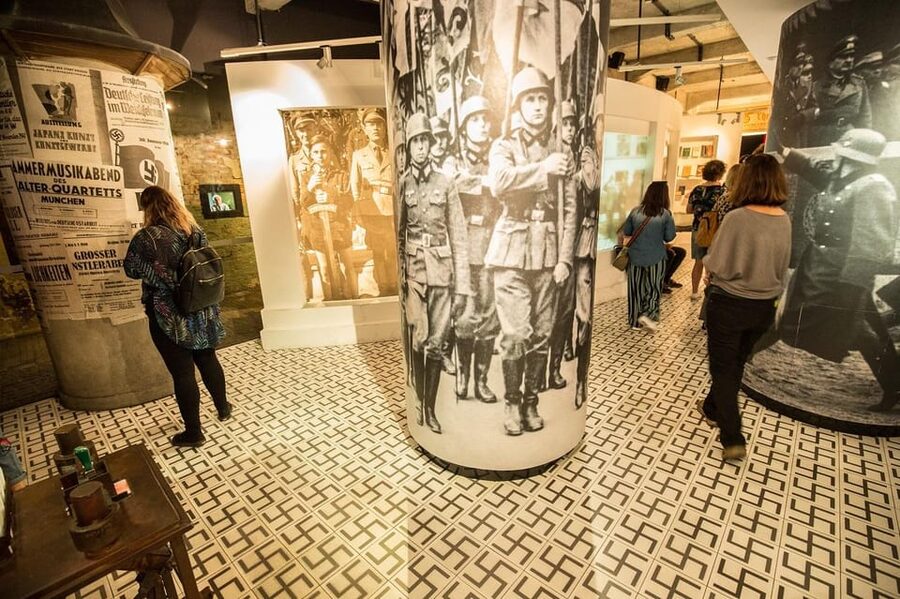
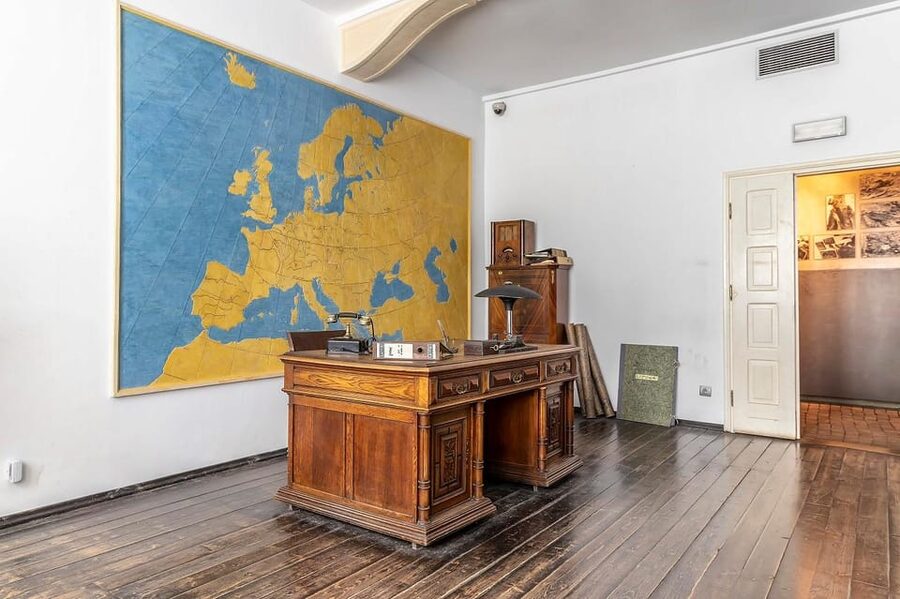
The preserved office is the natural focal point for anyone familiar with the film. It is also where the museum most directly connects the factory’s real wartime owner with the people he helped.
The office has been kept within the factory’s administrative building. Its most striking feature is a symbolic ark of survivors made from thousands of pots, recalling the enamelware produced by Schindler’s workers during the war.
That installation links objects to people in a simple way. Pots are practical things, made for daily use, yet here they suggest the workers whose lives were tied to the factory and whose survival became part of Schindler’s story. The effect is more thoughtful than a collection of film memorabilia.
You should not expect the entire museum to recreate scenes from the movie. The exhibition presents the historical figure in the complicated setting of wartime Krakow. That is one of its strengths. It avoids turning the visit into a simple celebration and instead shows how individual action, industrial work, Nazi policy, and the fate of the city intersected.
What the Live Guide Adds
The biggest reason to choose this experience is the guide. The tour is offered in English, French, German, Italian, and Spanish, and the live commentary gives you a route through material that could otherwise feel dense.
A good guide can point out why a common object matters, explain how the different sections fit together, and keep Schindler’s role in proportion. The strongest feedback about this tour has focused on the guide’s explanation of Krakow between 1939 and 1945. That city-wide view is exactly what you need here.
The guide also helps with pacing. You do not have to decide which direction to take through the exhibition or guess which displays form a larger sequence. You can focus on the story while someone else handles the route.
There is a limit, though. This is a group tour, not a private visit. Questions may need to be brief, and the guide cannot wait for every person to finish reading each panel. One guide has even been praised for giving the full story while acknowledging that the museum contains more material than a 90-minute visit can cover.
If you are already well read on the subject, you may prefer independent time. For most first-time visitors, I think the commentary is worth the tradeoff.
Is $50 a Fair Price?
At $50 per person, the tour is not the cheapest way to enter a Krakow museum. The price includes the professional guide and the museum entrance ticket, which makes the comparison fairer than looking only at the admission cost.
You are paying for structure as much as access. The guide gives you a historical framework, leads you through the key installations, and helps you understand why the tram, apartment, ghetto route, Płaszów section, and office belong in one story.
The value is strongest if you have limited time in Krakow or do not want to prepare background reading before your visit. It is also a sensible choice if you are visiting with family or friends who may get more from a spoken explanation than from long museum labels.
The value is weaker if you want a slow, private museum visit. The fixed duration and group pace mean you may leave with several displays still unexplored. In that case, the guided visit works best as a first pass, provided you have the chance to spend more time later.
The skip-the-ticket-line feature adds practical value, especially when you have a full day planned around Krakow’s museums. Exact availability and start times should be checked before booking.
Practical Details Before You Go
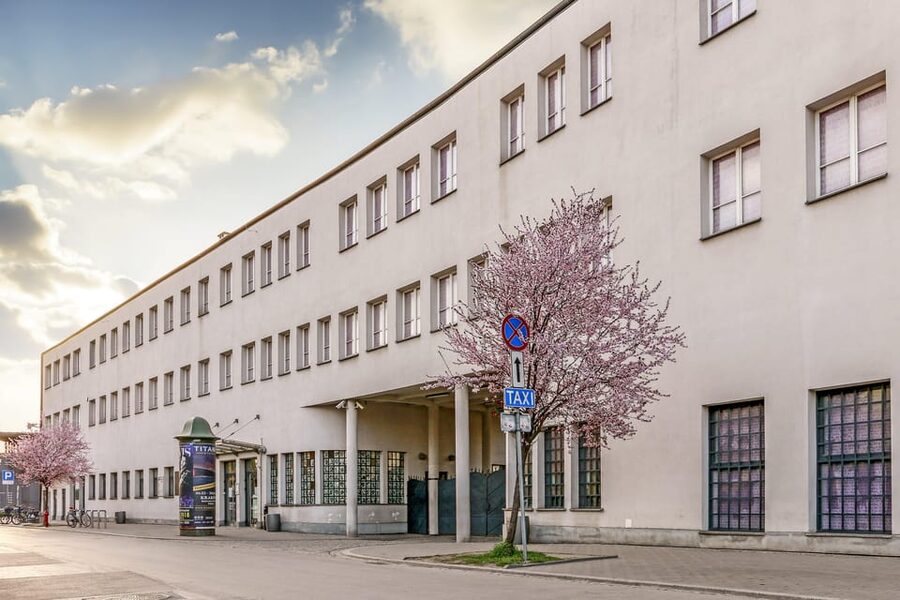
Meet in front of the entrance to Oskar Schindler’s Enamel Factory. Look for the person holding an excursions.city sign.
The tour lasts 90 minutes. Starting times depend on availability, and from January 1, 2026, the selected time is only an approximate preference because the museum may adjust the schedule. If your day depends on a precise connection, leave extra room around the visit.
From that date, you must provide the full names of everyone in your booking and bring a passport or other identification document for entry. The museum uses personalized tickets, and missing details or identification may result in refused entry.
The experience is wheelchair accessible. Cancellation is free up to 24 hours before the tour, and you can reserve now and pay later, which helps if you are still arranging your Krakow plans.
Who Should Book This Museum Tour?
I would recommend it to first-time visitors who want a clear account of Krakow during World War II rather than a narrow biography of Oskar Schindler. It suits anyone who values personal documents, reconstructed spaces, and an organized explanation of difficult material.
It is also a good match for visitors who know the film but want to understand the real city behind it. The preserved office will have special meaning, but the ghetto and Płaszów sections give the visit its wider purpose.
You may want a different plan if you read every label, dislike group pacing, or need several hours for one museum. The short format cannot cover the entire exhibition in detail. Still, the guide gives you the main thread and helps prevent the visit from becoming a series of disconnected displays.
My Take: Book It If You Want Context, Not Just a Film Location
Book this tour if you want to understand how wartime Krakow’s residents experienced occupation, persecution, and survival. The live guide, included entry, preserved office, tram scene, ghetto setting, and Płaszów section make the $50 price reasonable for a focused introduction.
Go independently only if you already know the subject well or prefer to move at your own pace. For most people, the guided format adds real value, even though 90 minutes is not enough to see every part slowly. The key is to arrive expecting a serious city history museum, with Schindler as one important figure within it.
FAQ
How long does the Schindler’s Factory Museum tour last?
The guided tour lasts 90 minutes.
What does the price include?
The $50 price includes a professional guide and the entrance ticket to the museum.
Is this a private tour?
No. This is a group tour.
Which languages are available?
Live tours are available in English, French, German, Italian, and Spanish.
Where is the meeting point?
Meet in front of the entrance to Oskar Schindler’s Enamel Factory. Look for the person holding an excursions.city sign.
Does the tour include skip-the-line entry?
Yes. Skip-the-ticket-line entry is included.
Is the museum accessible by wheelchair?
Yes. The activity is wheelchair accessible.
Do I need identification for entry?
From January 1, 2026, you must bring a passport or ID because the museum uses personalized tickets. You must also provide the full names of all participants when booking.
Can I cancel the tour for a refund?
Yes. You can cancel up to 24 hours in advance for a full refund.
Can I reserve now and pay later?
Yes. The activity allows you to reserve your place and pay later.
Just added in Kraków
- Wawel Castle, Old Town with St. Mary’s Church Guided Tour★ 5.0 · 3 reviews
- Wawel Castle, Old Town with St. Mary’s Church Guided Tour★ 5.0 · 5 reviews
- Wawel Castle, Cathedral, Old Town and St. Mary’s Basilica★ 4.8 · 13 reviews
- Wawel Castle, Cathedral, & Rynek Underground Tour with Lunch★ 4.5 · 10 reviews
- Wawel Castle & Cathedral Skip the Line Small Group Tour★ 5.0 · 3 reviews
- Wawel Castle and Cathedral Guided Tour★ 4.6 · 44 reviews
- Wawel Castle, Cathedral, Rynek Underground Tour with Lunch★ 5.0 · 3 reviews
- Wawel Castle and Cathedral Guided Tour★ 5.0 · 8 reviews
Schindler's Factory Tours, compared.
Oskar Schindler’s Factory Entry Ticket & Guided Tour
Read the review →
Schindler’s Factory Tour with Entrance Ticket
Read the review →
Schindler’s Factory in Krakow: Guided Tour & Skip the Line Ticket
Read the review →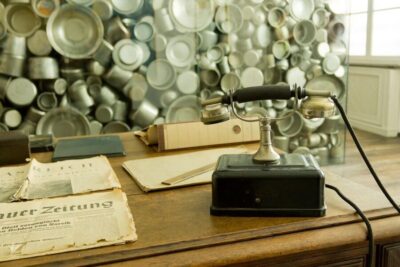
Schindler’s Factory Ticket with Guided Tour Option
Read the review →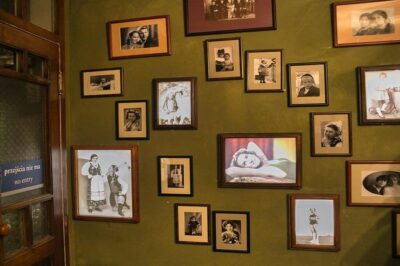
Krakow Schindler’s Factory Guided Tour with Admission Ticket
Read the review →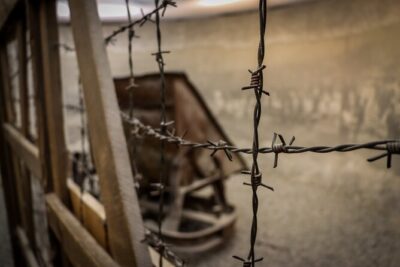
Krakow Schindler’s Factory Museum Guided Tour in English
Read the review →Browse the lists this tour appears in