
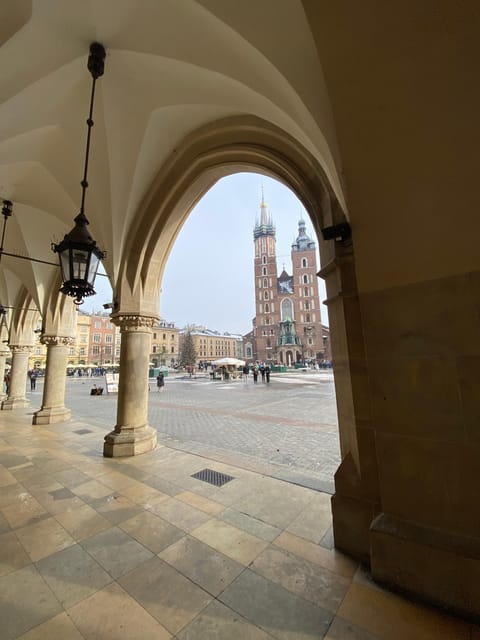
Reviewed · JEWISH QUARTER & GHETTO TOURS
Krakow: Old Town and Kazimierz Guided Bike Tour
Krakow’s story comes into focus quickly from a bicycle seat. In three hours, you move from the medieval center to Kazimierz, then on toward the wartime sites that explain the city’s Jewish past and the fate of its community. The route covers a lot of ground without turning into a long lecture on wheels.
I like the small group, limited to 10 people, and the chance to hear practical advice from a local guide as you ride. I also like the mix of grand landmarks and sobering places, from Wawel Dragon to Ghetto Heroes Square and Oskar Schindler’s Factory. The main consideration is traffic and mobility: cycling through a busy historic center takes attention, and this tour is not suitable for people with mobility impairments.
Key points to know before booking
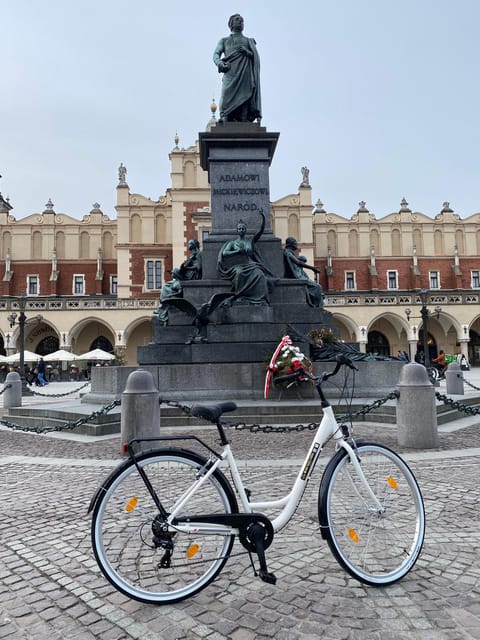
- Three hours on two wheels: A fast, useful introduction to Krakow’s Old Town and Kazimierz.
- Small group of 10: The guide can keep the ride personal and answer questions more easily.
- Strong historical range: See medieval Krakow, royal Wawel, Jewish heritage sites, and World War II locations in one outing.
- Guide-led recommendations: Leave with ideas for places to visit and things to do during the rest of your stay.
- Bike, guide, and bag storage included: You pay separately for food, drinks, and any entrance tickets.
- English or Dutch: Tours are led in one of these languages, with the meeting point at the ZeeTour office.
Why this bike tour works as a first look at Krakow
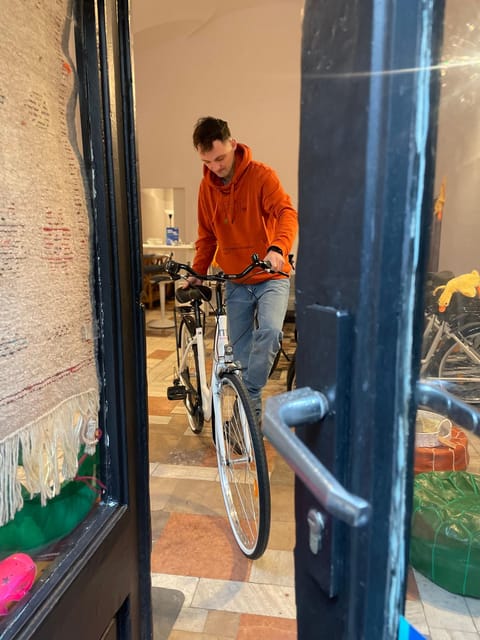
Krakow rewards walkers, but its historic center and nearby districts cover enough ground that a bike gives you a useful head start. This route links places that are easy to understand separately but more meaningful when seen as parts of one city story.
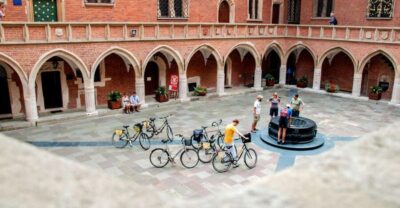
You begin near the Main Square, then ride through the Old Town toward Kazimierz. Along the way, the guide explains Krakow’s role in Polish history, points out major landmarks, and offers advice for the rest of your visit. The ride is not just a checklist of buildings. Its value comes from the connections between royal power, university life, Christian and Jewish communities, war, and modern memory.
The three-hour length is also well judged for a first orientation. You see a wide section of Krakow without giving up an entire day. Since the tour returns to the same office, you can use the rest of the afternoon or evening for a museum, meal, or slower walk through a district you liked.
I would choose this outing early in a Krakow visit. The guide’s suggestions can help you decide which sites deserve a separate visit, especially because entrance tickets are not included. It is also a good way to learn the shape of the city before spending time on foot.
More old town tours in Kraków:
- Old Town Krakow & Wawel Castle Walking Tour
★ 5.0 · 1,508 reviews - Krakow: Bike Tour of Old Town, Jewish Quarter and the Ghetto
★ 4.9 · 1,155 reviews - Krakow: The Old Town Walking Tour
★ 4.8 · 794 reviews
Starting at Florian Gate and the Barbican
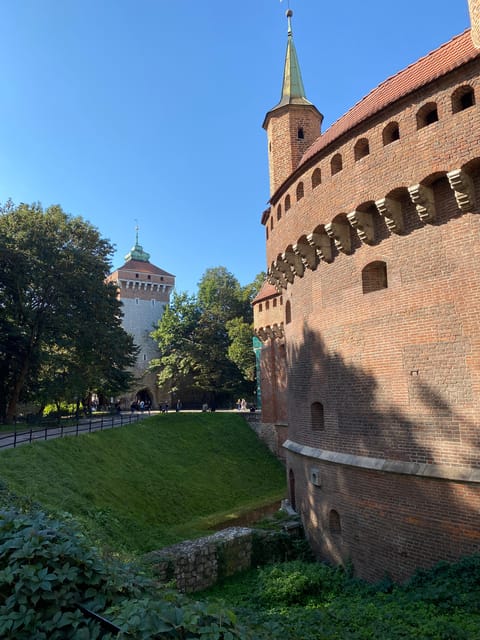
The tour starts at the ZeeTour office, located in a courtyard in the same building as Restaurant No.7. From there, the route reaches Florian Gate, one of the best-known entrances into Krakow’s Old Town.
Florian Gate introduces the city’s medieval defenses. Nearby, the Krakow Barbican adds another strong piece of that story. The guide gives both places context, so you are not simply passing old stone walls without knowing what they protected or how they fit into Krakow’s layout.
This early section is useful for orientation. You begin to see how the old defensive line relates to the streets inside the center. The bike makes it easier to move from one landmark to the next, though you still need to pay attention when crossing streets or riding near other people.
The route is not designed as a private, stop-for-every-detail history lesson. It is a moving introduction. If you want extensive time inside each monument, plan separate visits after the tour.
The Main Market Square and Jagiellonian University
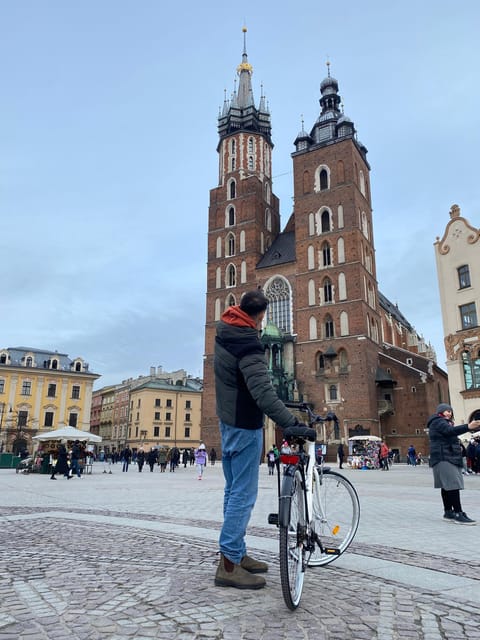
The Main Market Square is one of the tour’s central stops. It is the natural place to discuss Krakow’s civic life, major buildings, and importance in Poland. Your guide helps turn a large public space into a readable part of the city.
The square can be busy, which is both part of its appeal and one reason to stay alert on the bike. You may find that the guide pauses in a suitable spot rather than trying to explain everything while moving through the crowds. Comfortable clothes and shoes matter here, as they do throughout the ride.
Next comes Jagiellonian University. This stop adds an intellectual side to Krakow’s story. The university is not just another impressive building on the route. It helps explain why Krakow has long mattered as a center of Polish learning and public life.
The guide’s role is especially valuable at stops like this. A building can look fine in a photograph, but a short explanation gives you a reason to remember it. The strongest guides, including the guide identified as Zee, are described as clear, informed, and personable. That combination matters on a tour with many different subjects.
Wawel Dragon and the Vistula
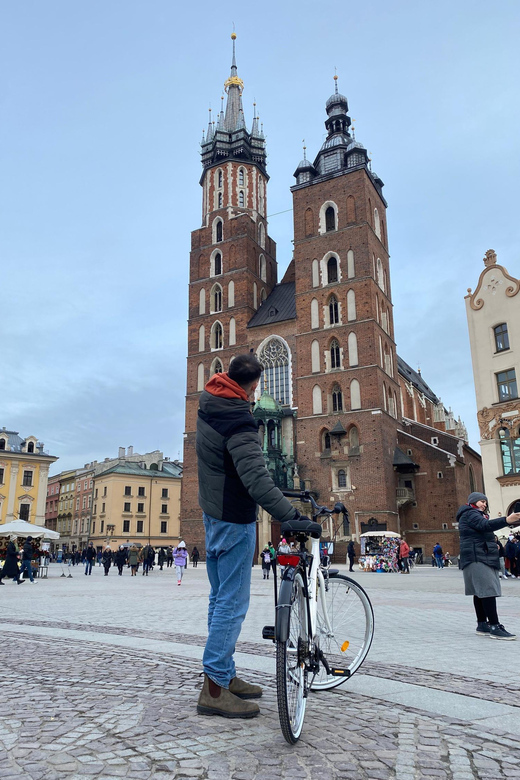
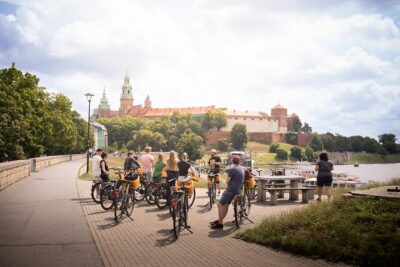
The Wawel Dragon Statue brings a lighter note to the route. After the formal atmosphere of the Main Square and university, this familiar Krakow symbol gives the tour a moment of local character.
The stop is tied to Wawel, one of the city’s most important landmarks. The tour does not list an interior visit, so do not book this ride expecting entrance to Wawel Castle or other paid sites. Instead, you get an exterior introduction and the chance to understand where the complex fits into the city.
The route then passes by the Vistula in Krakow. This is not listed as a full guided stop, but the river helps you read the city geographically. It also provides a change from the dense streets of the center before the tour reaches Kazimierz.
I like this balance. The ride includes major historical subjects but does not treat every minute as a serious lecture. A city tour needs a few visual pauses, and the dragon and river give you those.
Other Jewish-heritage walks around Kraków:
- Krakow: Schindler’s Factory & Ghetto Guided Tour
★ 4.7 · 1,694 reviews - Krakow: Jewish Quarter and Former Ghetto Tour
★ 4.9 · 1,441 reviews - Krakow: Kazimierz Jewish Quarter Walking Tour
★ 4.8 · 571 reviews - Krakow: Kazimierz, Schindler’s Factory & Ghetto Guided Tour
★ 4.8 · 460 reviews
Entering Kazimierz through Wolnica Square and Plac Nowy
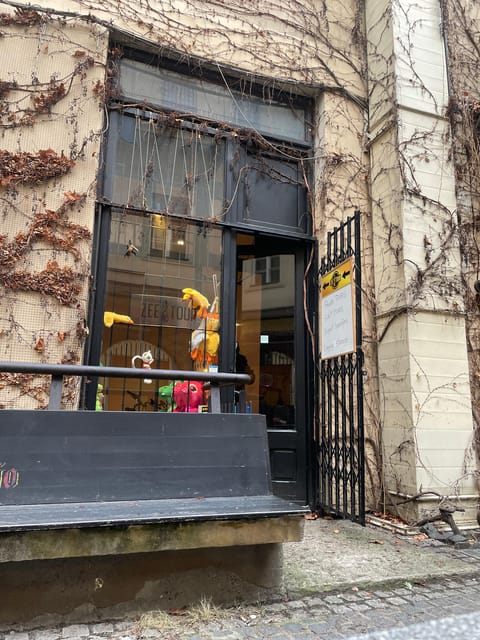
Kazimierz is where the tour changes tone. The route takes you to Wolnica Square and Plac Nowy, two useful points for understanding the district as more than a collection of synagogues and wartime sites.
The guide explains the importance of Krakow’s Jewish community and the district’s cultural heritage. This part deserves attention because Kazimierz is often presented only as a food and nightlife area. The tour places those modern uses beside the older community that shaped the neighborhood.
Plac Nowy is a guided stop, giving you time to take in the setting and hear how Kazimierz fits into Krakow’s wider story. You may want to return later on foot, since a bicycle tour can only offer a first look at a district with many layers.
The bike is practical here because it lets you connect Kazimierz with the Old Town quickly. You do not lose time arranging transport between the two areas. At the same time, the pace means you should not expect long, quiet periods at each square.
Synagogues on Szeroka Street
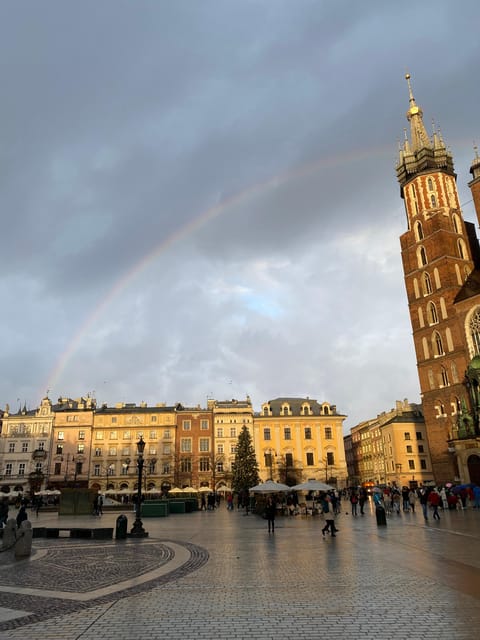
The route includes Tempel Synagogue, Izaak Synagogue, the Old Synagogue, and Szeroka Street. Together, these stops give you a clearer picture of Jewish life in Kazimierz than a single landmark could.
Szeroka Street is especially important as a place to discuss the former Jewish community and the buildings that remain. The Old Synagogue provides another link to that past, while Izaak Synagogue and Tempel Synagogue show different parts of the district’s religious and architectural heritage.
The tour also addresses the tragic fate of Krakow’s Jewish population during World War II. That subject is handled within the wider ride, so the historical shift from community life to persecution and destruction is part of the route rather than an isolated fact.
Expect this portion to be serious. A bicycle tour can make difficult subjects feel rushed if the guide offers only a sentence or two. The available tour details place clear emphasis on the Jewish community, its heritage, and its wartime fate, so this is one of the main reasons to choose this particular route over a basic Old Town ride.
Entrance tickets are not included. The tour stops at these places and explains their importance, but any interior visit would require separate planning and payment.
The Schindler’s List Passage and wartime memory
The Schindler’s List Passage continues the wartime section of the ride. The name connects the location with the story made widely known through film, but the guide’s job is to place it within Krakow’s actual history.
You then reach Ghetto Heroes Square. This is one of the route’s most sobering stops. It shifts the focus from the earlier life of Kazimierz to the suffering and displacement experienced by Krakow’s Jewish population during World War II.
A good explanation here is more important than a quick photograph. The tour gives you a chance to understand why this square matters and how it relates to the surrounding districts. The route’s historical value comes from putting the religious sites, streets, square, and factory in one sequence.
Oskar Schindler’s Factory is guided and passed by rather than presented as an included museum visit. That distinction matters. The factory is a major point of interest, but an entrance ticket is not part of the $47 tour price. If you want to visit the museum inside, set aside separate time and arrange admission independently.
What the $47 price includes
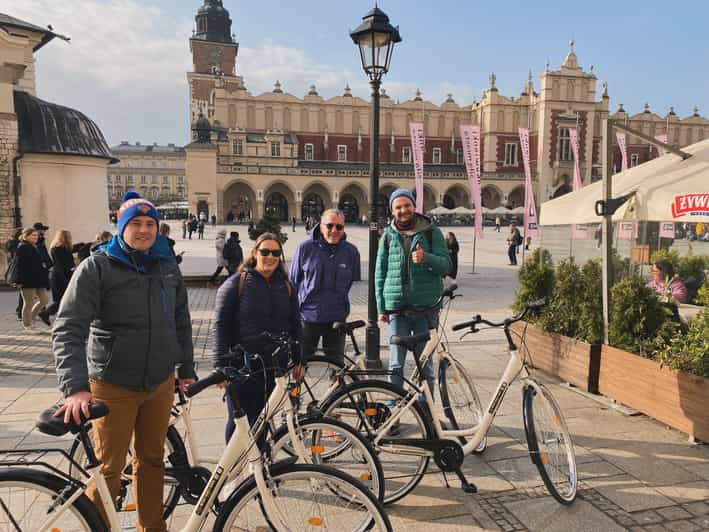
At $47 per person, the tour sits above a simple group walk but includes several useful pieces: a bicycle, a live guide, and bag storage for the duration. You are paying for movement between districts as well as interpretation at the stops.
The small group limit of 10 makes the price easier to justify. A guide can give directions, maintain contact with the group, and respond to questions without handling a large crowd. The tour has also received a perfect rating from five submitted ratings, with especially strong praise for the guide’s clear explanations, personal manner, and the condition of the bikes.
One participant described the bikes as new, which is a worthwhile detail for anyone who cycles often. A new or well-kept bike can make a three-hour outing much more pleasant than a worn rental. Still, the available information does not specify bike sizes, helmet arrangements, or the exact style of bicycle, so ask the operator if those details matter to you.
Food and drinks are not included. Neither are entrance tickets. Think of the price as covering a guided city ride, not a package of museum admissions or meals.
Timing, language, and practical comfort
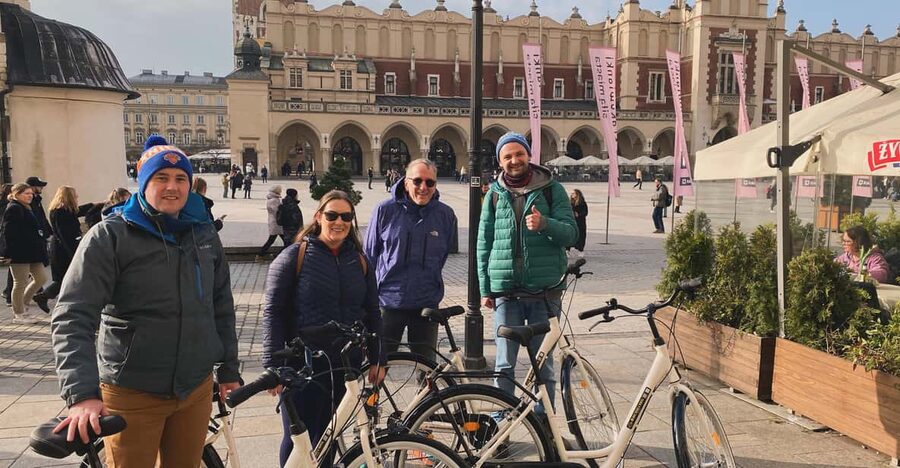
The ride lasts three hours, with starting times shown according to availability. English and Dutch are the listed tour languages. Be sure to choose a departure that fits your day, since the route is long enough to shape your morning or afternoon.
Wear comfortable shoes and clothes suited to the weather. This advice is simple but important. You will be pedaling, stopping, and moving through streets, so dress for activity rather than for a formal city visit.
The operator provides bag storage during the tour. That is handy if you are carrying a small bag, though the details do not say how much storage is available. Keep valuables with you and bring only what you need for the ride.
Alcohol and drugs are not allowed, and party groups are not accepted. Audio recording is also not allowed. These rules fit a small historical tour where the guide needs the group’s attention and a calm pace.
You can cancel up to 24 hours ahead for a full refund, and the reserve-now-pay-later option gives you some flexibility. That is useful when your Krakow schedule is still changing, but you should still check the departure time before booking.
Who will get the most from this ride
I would recommend this tour to first-time visitors who want a city overview with real historical weight. It suits people who like to see many landmarks in one outing and then return to the most interesting sites later.
It is also a good fit for cyclists who prefer active sightseeing. One of the strongest comments about the experience came from a person who takes many bike tours and considered this the best in the last couple of years. That points to two practical strengths: the guide makes the route worthwhile, and the bicycles are in good condition.
The tour may not suit you if you need slow, step-free sightseeing or cannot cycle for three hours. It is specifically not suitable for people with mobility impairments. It may also disappoint you if your main goal is to spend a long time inside museums or synagogues, since entrance tickets are not included and the listed stops are primarily guided exterior or area visits.
The route also requires attention in a crowded old city. One participant described the ride through the busy center as an exciting challenge. I would treat that as a useful warning: you need to feel comfortable steering, stopping, and staying with a group in urban streets.
Should you book the Krakow Old Town and Kazimierz bike tour?
Book it if you want a lively first orientation that connects Krakow’s medieval center, royal landmarks, Jewish heritage, and World War II sites in three hours. The small group, included bike, bag storage, and guide-led recommendations add real value to the $47 price.
Choose a walking tour or separate museum visits instead if you want long stops, detailed interior access, or a slower pace. For most active visitors, though, this is a strong way to get your bearings, learn where Krakow’s key districts fit together, and leave with a smart plan for the rest of your stay.
FAQ
How long is the Krakow Old Town and Kazimierz bike tour?
The tour lasts three hours.
How much does the tour cost?
The listed price is $47 per person.
Where does the tour meet?
Meet at the ZeeTour office in the courtyard. It is in the same building as Restaurant No.7.
Where does the tour finish?
The tour returns to the ZeeTour office.
What languages are available?
The live guide leads the tour in English or Dutch.
How large is the group?
The tour is limited to 10 participants.
Is a bicycle included?
Yes. A bike and a guide are included.
Is bag storage available?
Yes. Bag storage is provided for the duration of the tour.
Are food, drinks, and entrance tickets included?
No. Food, drinks, and entrance tickets are not included.
What should I bring?
Bring comfortable shoes, comfortable clothes, and clothing suitable for the weather.
More cycling tours in Kraków
- Complete Cracow Bike Tour (small group of maximum 15 people!)
★ 5.0 · 1,322 reviews - Highlights of Krakow Bike Tour – Small group
★ 5.0 · 662 reviews - Full Bike Tour – the Old Town, Jewish Qtr & the Ghetto NEW BIKES
★ 5.0 · 437 reviews - Krakow: Bike Tour of the Old Town, Kazimierz, and the Ghetto
★ 4.9 · 350 reviews
Just added in Kraków
- Wawel Castle, Old Town with St. Mary’s Church Guided Tour★ 5.0 · 3 reviews
- Wawel Castle, Old Town with St. Mary’s Church Guided Tour★ 5.0 · 5 reviews
- Wawel Castle, Cathedral, Old Town and St. Mary’s Basilica★ 4.8 · 13 reviews
- Wawel Castle, Cathedral, & Rynek Underground Tour with Lunch★ 4.5 · 10 reviews
- Wawel Castle & Cathedral Skip the Line Small Group Tour★ 5.0 · 3 reviews
- Wawel Castle and Cathedral Guided Tour★ 4.6 · 44 reviews
- Wawel Castle, Cathedral, Rynek Underground Tour with Lunch★ 5.0 · 3 reviews
- Wawel Castle and Cathedral Guided Tour★ 5.0 · 8 reviews
Jewish Quarter & Ghetto Tours, compared.
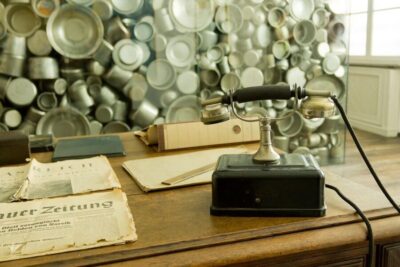
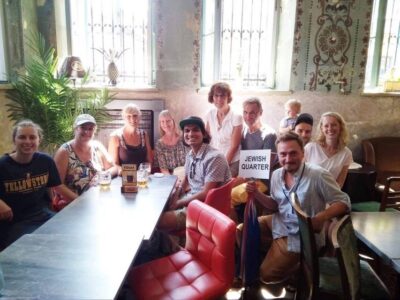
Bike Tour of Old Town, Jewish Quarter and the Ghetto
Read the review →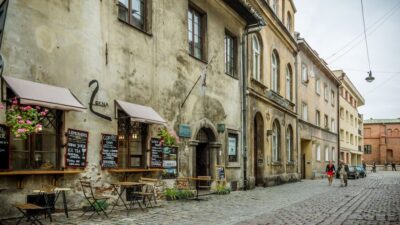
Full Bike Tour – the Old Town, Jewish Qtr & the Ghetto NEW BIKES
Read the review →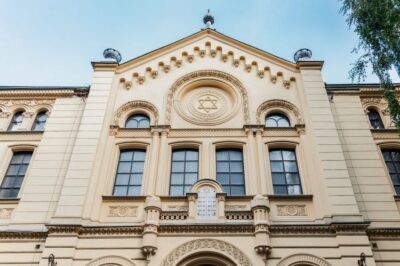
Warsaw Ghetto Private Walking Tour with Hotel Pickup
Read the review →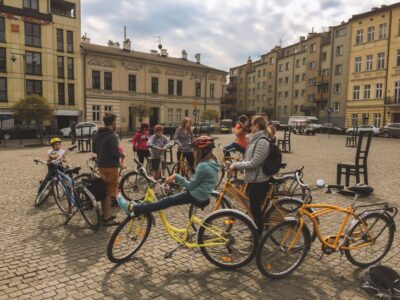
Bike Tour of the Old Town, Kazimierz, and the Ghetto
Read the review →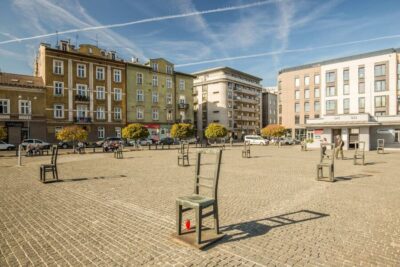
Browse the lists this tour appears in