
Reviewed · JEWISH QUARTER & GHETTO TOURS
Krakow: Jewish Ghetto Guided Tour
Krakow’s former Jewish Ghetto is not a preserved museum district. It is a living part of Podgórze, and that makes this one-hour walking tour especially useful. The streets have changed, but fragments of the wall, the empty chairs in Ghetto Heroes Square, and the old pharmacy still connect today’s city with the terrible choices forced on Krakow’s Jewish residents during World War II.
I like two things here: the compact route covers several meaningful places without taking half your day, and a guide helps you notice the surviving details you could easily miss alone. I also like that the walk ends at Under the Eagle Pharmacy, a place tied to practical acts of help during the ghetto’s darkest period. The main drawback is that the former ghetto looks very different now, so anyone expecting a fully preserved historic quarter may feel disappointed.
Key points to know before you book
- The route follows three powerful sites: a ghetto wall fragment, Ghetto Heroes Square, and Under the Eagle Pharmacy.
- The tour lasts about one hour, making it easy to fit beside other Krakow plans.
- English-speaking guides explain the history on foot, with guides including Olga, Phil, Anna, and Phillip praised for clear and sensitive presentations.
- The pharmacy museum admission costs extra, so the tour price covers the guided walk rather than every stop.
- Groups can reach up to 20 people, although some departures may be much smaller.
- Arrive 10 minutes early: late arrivals cannot join after the group leaves, and the ticket is not refunded.
Why this short Podgórze walk matters
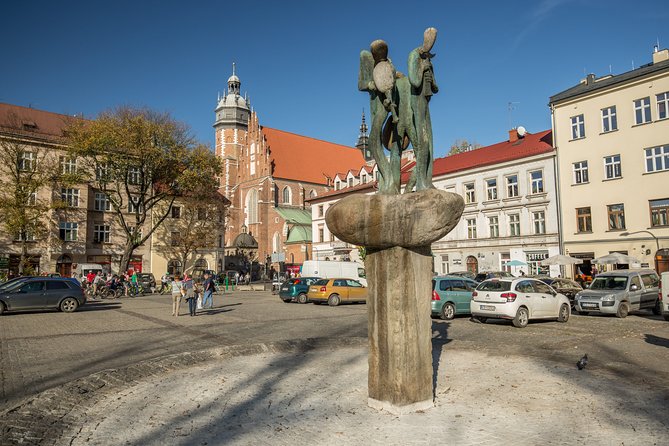
Krakow’s former Jewish Ghetto was created in Podgórze, across the Vistula from the older central districts. During World War II, Jewish residents were forced into this confined area before deportations to extermination camps. The route does not try to cover every part of Krakow’s wartime story. Instead, it gives you a focused hour in the streets where that story unfolded.
That focus is the tour’s strength. You are not asked to absorb a long lecture while standing in one room. You move from site to site, and each stop adds another piece to the picture. A guide also handles the navigation, which matters in an area where the original boundaries are not always obvious.
The current neighborhood can be misleading. Modern buildings, roads, and everyday city life have replaced much of what stood here during the war. You should come prepared for that contrast. The history is present through surviving fragments and memorials rather than through a perfectly preserved setting.
The tour costs $15.60 per person. For an hour of guided explanation, that is a modest price, especially if you have limited time or want a clear introduction before visiting larger museums and memorial sites elsewhere in Krakow. The value depends on what you need. If you have already studied the ghetto in detail, the walk may feel brief. If you are starting from scratch, it provides useful bearings and context without taking over your day.
Other Jewish-heritage walks around Kraków:
- Krakow: Schindler’s Factory & Ghetto Guided Tour
★ 4.7 · 1,694 reviews - Krakow: Jewish Quarter and Former Ghetto Tour
★ 4.9 · 1,441 reviews - Krakow: Bike Tour of Old Town, Jewish Quarter and the Ghetto
★ 4.9 · 1,155 reviews
Starting at the ghetto wall fragment
The walk begins at Lipowa 4, a practical starting point in the Podgórze area. From there, the first major stop is a surviving fragment of the ghetto wall. You get about 20 minutes here, with no separate admission fee.
This is the sort of place that can be easy to overlook without a guide. It does not offer the scale of a large museum or a fully rebuilt section of the ghetto. Its force comes from its physical simplicity. A remaining piece of wall shows how confinement was made concrete, not just announced through orders and signs.
Your guide puts the fragment into the larger story of daily life in the ghetto. That context is important because the wall alone cannot explain what happened. You need to understand that residents were enclosed, controlled, and later selected for deportation. A good guide also helps you avoid treating the site as a photo stop detached from the people who lived behind it.
The pace here appears deliberately measured. About 20 minutes is enough to listen, ask a question, and look closely without turning the stop into a long museum-style session. Wear comfortable shoes, since this is a walking tour and the route continues through city streets.
The guides are a major part of the experience. Olga is described as bringing both enthusiasm and feeling to the subject. Phil is praised for setting a steady pace and explaining the area in a clear way. Anna’s calm manner and detailed explanations suit a subject that requires care. Phillip is also noted for his polite, well-informed approach. Your guide will vary, but the tour’s strongest feature is the quality of the spoken interpretation.
Ghetto Heroes Square and the Chair Memorial
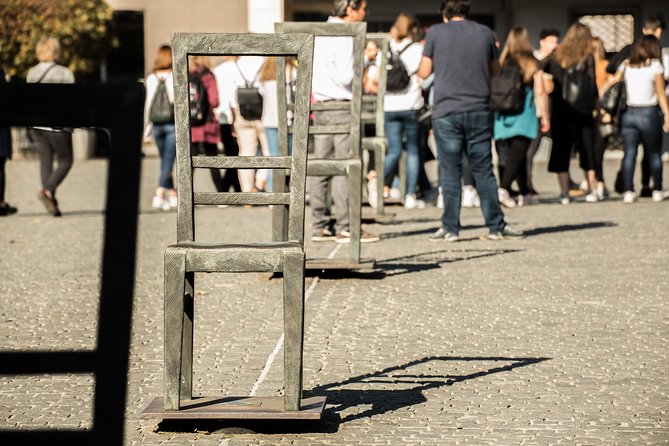
The next 20-minute stop is Ghetto Heroes Square, the emotional center of the route. Deportations to extermination camps took place here. Today, the square is marked by rows of empty chairs, known as the Chair Memorial.
The memorial’s design is direct and unsettling. Each chair represents a life lost. Instead of filling the square with long text panels, the empty seats create a sense of absence. They ask you to think about people who were forced from their homes and gathered here before being sent away.
This is where a guide can make the difference between seeing a memorial and understanding it. Your guide explains what happened in the square and how it fits into the wider history of the ghetto. The presentation is not just a list of dates. The best moments come through the connection between place, policy, and individual lives.
You should allow yourself a quiet moment here. The walk is only an hour, but the subject is not light, and the square deserves more than a quick photograph. I appreciate that the route gives it a full 20 minutes rather than rushing past.
The square also shows the limits of a short tour. You receive an introduction, not a complete account of Krakow’s Jewish history or the Nazi occupation of Poland. If you want a broader picture, you will need to add a museum or another historical tour. This experience works best as one part of a day focused on Krakow’s wartime past.
Under the Eagle Pharmacy, the final stop
The tour ends at Apteka pod Orłem, or Under the Eagle Pharmacy, at Ghetto Heroes Square 18. You spend around 20 minutes at this final stop. The pharmacy museum admission is not included, so check the separate entry arrangements if you want to go inside.
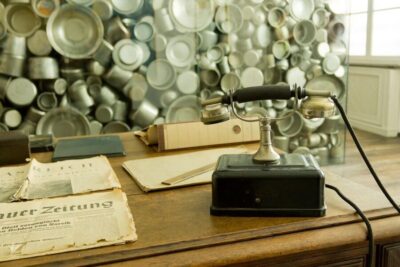
The pharmacy is linked to Tadeusz Pankiewicz and his staff, who helped people living in the ghetto. Medicine, information, and human contact mattered greatly in a place where ordinary life had been stripped away. The pharmacy gives the walk a more personal ending after the wall and the deportation square.
I like the order of these three stops. The wall introduces confinement. The square explains deportation. The pharmacy shows an act of assistance within that system. The route moves from the structure of persecution to the people caught inside it, then to one place where help was offered.
Keep in mind that the tour itself does not include the museum ticket. The guide may explain the building and its role, but a separate museum visit is needed for the interior exhibits. That is not a serious flaw at this price, but you should budget for it if you want more than the outside explanation.
The final location is also convenient for continuing your day. You finish at the square rather than returning to the first meeting point. That means you should plan your next stop from Ghetto Heroes Square, not assume the group will bring you back to Lipowa 4.
A few more things to do in Kraków worth a look
- From Krakow: Auschwitz-Birkenau Guided Tour & Hotel Pickup
★ 4.5 · 33,358 reviews - From Krakow: Auschwitz-Birkenau Guided Tour & Hotel Pickup
★ 4.5 · 29,340 reviews - Krakow: Auschwitz Guided Tour with Optional Hotel Pickup
★ 4.5 · 15,280 reviews - Krakow: Auschwitz-Birkenau Guided Tour with Pickup & Lunch
★ 4.5 · 9,800 reviews
What the guides do well
A history walk succeeds or fails with its guide. Here, the strongest pattern is clear explanation delivered at a manageable pace. The guides are praised for answering questions, using local perspective, and treating the subject with sensitivity.
Olga is noted for her enthusiasm and passion. Anna is described as calm and approachable, which can be helpful when discussing deportation and loss. Phil’s pacing works well for people who want information without being overwhelmed. Phillip is described as polite and well informed.
One particularly useful detail is the occasional use of printed images. A small group received visual material that helped show how the area looked in the past. That can be valuable because the modern streets do not always reveal their wartime appearance.
The tour is offered in English, and group tours use only one language at a time. Select English when booking if that is the language you need. With a maximum of 20 people, the group is not designed to be fully private, but it is small enough for questions to be possible. Some departures may be much smaller, including one reported group of only eight people and another made up of four family members.
There can be a slight wait at the start while the group comes together, particularly for people arriving from a visit to Schindler’s Factory. That wait is not ideal when you have a tight schedule. Arriving early helps you avoid adding to the delay and gives you time to find the meeting point.
Timing, weather, and practical planning
The advertised duration is about one hour. That makes this easy to pair with other Krakow activities, but do not treat the timing as a reason to arrive at the last second. You are asked to arrive 10 minutes before departure, and latecomers cannot join once the group has left.
The walk runs in rain or sunshine. Check the forecast and bring suitable clothing and footwear. Comfortable shoes are especially important because the route is on foot, and one useful tip from the experience is simple: choose comfort over style.
The meeting point is near public transportation. The exact details of your route to Lipowa 4 depend on where you are staying, so allow extra time for finding the starting place. The endpoint is at Under the Eagle Pharmacy, not at the original meeting point.
Most people can take part, but the supplied information does not promise a specific accessibility arrangement. If you have mobility needs, confirm the route details before booking. The tour is short, but it remains a walking experience through an urban area.
Cancellation is free up to 24 hours before the start time. Cancellations made less than 24 hours in advance are not refunded, and changes within that period are not accepted. Since the tour runs in all weather, plan clothing carefully before deciding to cancel because of rain.
Who will get the most from this tour
I would choose this walk if you want a clear first introduction to Podgórze and the former Jewish Ghetto. It suits visitors who have only a few days in Krakow, families looking for a shorter historical activity, and anyone who prefers place-based explanation to reading a guidebook while walking alone.
It also works well if you plan to visit Schindler’s Factory. The subjects overlap, but this route gives you a different experience by taking you into the streets and memorial spaces connected to the ghetto itself. The walk can help you understand the setting before or after a museum visit.
You may want something longer if you expect a full account of Jewish life in Krakow before the war, the occupation, the deportations, and the postwar period. You may also want another activity if preserved architecture is your main interest. Much of the former ghetto has changed, and the guide’s explanation carries more of the experience than the buildings do.
The tour is also a good choice for people who might otherwise miss the wall fragment. That stop is not necessarily obvious when you explore on your own. Having someone point out the remaining pieces and explain their meaning gives the hour real purpose.
Is the $15.60 price good value?
At $15.60, the tour offers a low-cost way to add structure to a serious historical visit. You get an English-speaking guide, three connected stops, and navigation through an area that can be hard to interpret without background.
The main extra cost is admission to Under the Eagle Pharmacy. If you want to enter, treat the walk price as the cost of the guided route, not as a complete museum package. Even so, the total can remain reasonable compared with longer guided excursions.
The short duration is both an advantage and a limit. You will not lose an entire morning, and you can fit the tour around other plans. But the guide cannot cover every part of Krakow’s wartime story in 60 minutes. Think of it as a focused introduction, not a full historical course.
A 4.8 rating from 22 ratings and a 100 percent recommendation record suggest that the basic formula is working: a short route, strong guide commentary, and meaningful sites. I would still book for the content and the practical route rather than for the score alone.
Should you book the Krakow Jewish Ghetto tour?
Book it if you want a short, well-guided walk through three important sites and you value clear historical context. It is particularly useful before visiting other wartime museums, or when you want to see the remaining wall and Ghetto Heroes Square without working out the route yourself.
Skip it if you need a long tour, a fully preserved historic district, or museum admission included in the price. The modern appearance of Podgórze may surprise you, and the one-hour format leaves little room for wider history.
For most visitors with an interest in Krakow during World War II, I think the price and time commitment make sense. Arrive early, wear good shoes, prepare for the weather, and give the Chair Memorial the quiet attention it deserves.
FAQ
How long does the Krakow Jewish Ghetto tour last?
The tour lasts approximately one hour, with about 20 minutes allocated to each of the three main stops.
Where does the tour begin?
The meeting point is Lipowa 4, 32-051 Kraków, Poland.
Where does the tour end?
The tour ends at Under the Eagle Pharmacy, Apteka pod Orłem, at Ghetto Heroes Square 18.
Is the tour offered in English?
Yes. English is an available tour language. Group tours operate in one language, so select your preferred language when booking.
Is admission to Under the Eagle Pharmacy included?
No. Admission to the pharmacy museum is not included in the tour price.
How many people can join the group?
The maximum group size is 20 people. Some departures may be smaller.
What happens if I arrive late or need to cancel?
You should arrive 10 minutes before the start. Latecomers cannot join after the group has departed, and their tickets are not refunded. You can cancel for a full refund up to 24 hours before the start time.
Just added in Kraków
- Wawel Castle, Old Town with St. Mary’s Church Guided Tour★ 5.0 · 5 reviews
- Wawel Castle, Old Town with St. Mary’s Church Guided Tour★ 5.0 · 3 reviews
- Wawel Castle, Cathedral, Old Town and St. Mary’s Basilica★ 4.8 · 13 reviews
- Wawel Castle, Cathedral, & Rynek Underground Tour with Lunch★ 4.5 · 10 reviews
- Wawel Castle & Cathedral Skip the Line Small Group Tour★ 5.0 · 3 reviews
- Wawel Castle and Cathedral Guided Tour★ 4.6 · 44 reviews
- Wawel Castle, Cathedral, Rynek Underground Tour with Lunch★ 5.0 · 3 reviews
- Wawel Castle and Cathedral Guided Tour★ 5.0 · 8 reviews
Jewish Quarter & Ghetto Tours, compared.
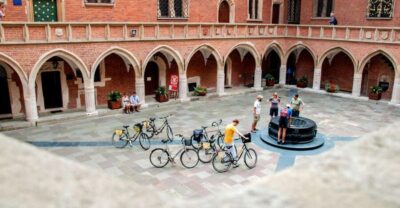
Bike Tour of Old Town, Jewish Quarter and the Ghetto
Read the review →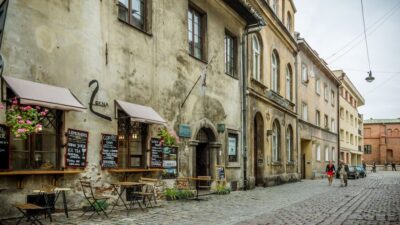
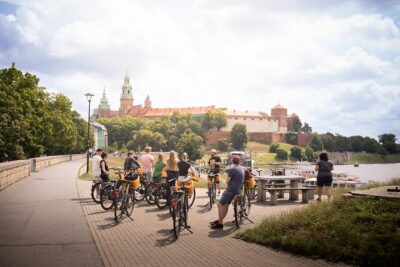
Full Bike Tour – the Old Town, Jewish Qtr & the Ghetto NEW BIKES
Read the review →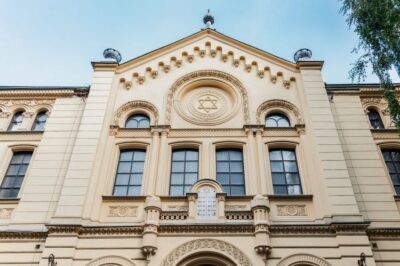
Warsaw Ghetto Private Walking Tour with Hotel Pickup
Read the review →
Bike Tour of the Old Town, Kazimierz, and the Ghetto
Read the review →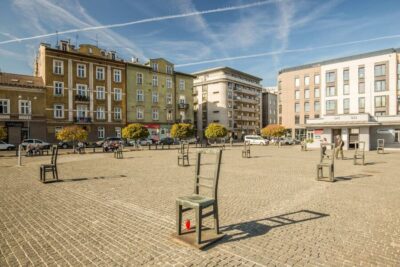
Browse the lists this tour appears in