
Reviewed · JEWISH QUARTER & GHETTO TOURS
Jewish Krakow in German
Krakow’s Jewish story is concentrated in two districts: Kazimierz, the old Jewish quarter, and Podgórze, the area of the World War II ghetto. This German-language walking tour links them through stories of faith, daily life, destruction, and the small but active Jewish community that remains today. I like the clear route and the way it connects old synagogues with Holocaust sites. I also like that the guides, including Max, explain the meaning behind the places instead of simply naming buildings. The main drawback is pace: one participant wanted more time at certain stops.
- Seven historic synagogues: See the old Jewish quarter’s surviving houses of worship and learn why they matter.
- Kazimierz and Podgórze together: The route links Jewish cultural life before the war with the former ghetto’s wartime story.
- German-speaking guidance: The tour is conducted in German, with guides praised for clear explanations and lively interaction.
- A difficult but necessary subject: Expect frank discussion of persecution, death, destruction, and the Holocaust in Krakow.
- A pay-what-you-wish format: The $26 booking price covers the reservation and guide payment, rather than functioning like a standard fixed-price tour.
- Two and a half hours on foot: Wear comfortable shoes and arrive at the Old Synagogue 10 minutes early.
Starting beside the Old Synagogue in Kazimierz
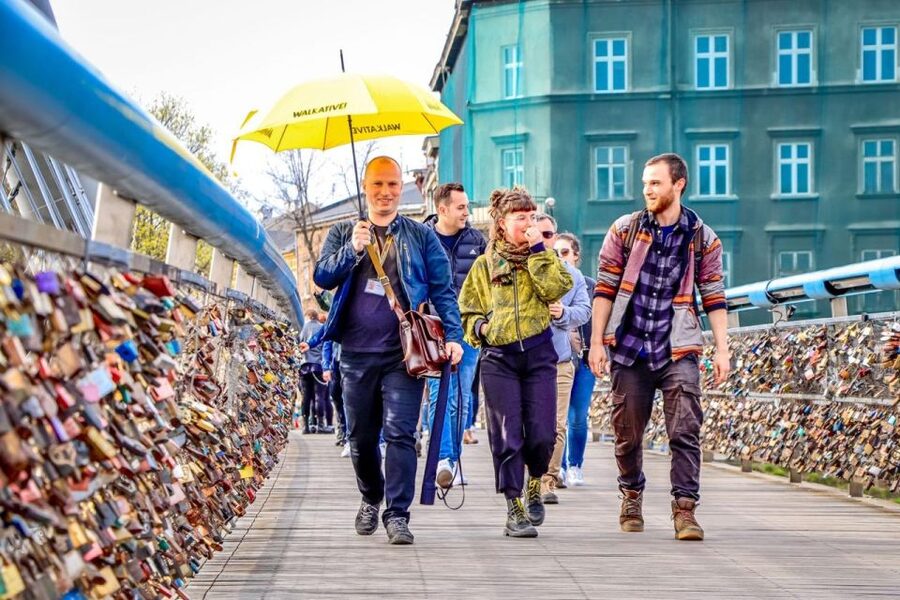
The meeting point is on the stairs in front of the Old Synagogue, on the main street of Krakow’s Jewish district. That is a useful starting place because you begin inside Kazimierz, not at a generic city landmark. Arrive 10 minutes before the scheduled start so the guide can gather the group without delaying the walk.
Kazimierz was once home to a large Jewish community and became one of Krakow’s main centers of Jewish religious and cultural life. The tour uses the district’s streets and buildings to explain that community’s place in the city. You are not simply looking at old façades. You are learning how the quarter functioned, what the synagogues meant, and how Jewish life changed over time.
The Old Synagogue is especially important as a visual introduction. From the meeting point, the guide can place the surrounding quarter in context before the group moves on. The supplied information identifies seven old synagogues that survived the destruction of World War II and the Holocaust. Their survival does not make the story cheerful, but it gives the tour physical places through which to understand what was lost and what endured.
Seven synagogues and the meaning of Kazimierz
The synagogue portion is likely the most architectural part of the walk. Kazimierz is known for its Jewish art and architecture, and the route gives you a chance to see how religious buildings shaped the district. A good guide will help you read the streets, rather than leaving you with a list of names and dates.
I like this part because it gives the tour a human scale. A synagogue is not only an old building. It was a place for prayer, study, community decisions, family events, and contact among neighbors. That wider meaning helps you understand why the district is important even when the buildings appear quiet today.
The guide also places the prewar community beside the later destruction. That contrast is central to the experience. Poland was once home to one of the largest Jewish communities in the world, and Krakow was an important center within it. You will hear about that cultural life before the tour turns toward the Second World War.
The walking format has a benefit here. You move through the actual quarter where these institutions stood, rather than receiving the story in a museum room alone. The limitation is that the tour lasts 150 minutes and covers two districts. If a particular synagogue or architectural detail catches your attention, you may have only a short time before the group moves on.
Other Jewish-heritage walks around Kraków:
- Krakow: Schindler’s Factory & Ghetto Guided Tour
★ 4.7 · 1,694 reviews - Krakow: Jewish Quarter and Former Ghetto Tour
★ 4.9 · 1,441 reviews - Krakow: Bike Tour of Old Town, Jewish Quarter and the Ghetto
★ 4.9 · 1,155 reviews
From cultural life to wartime persecution
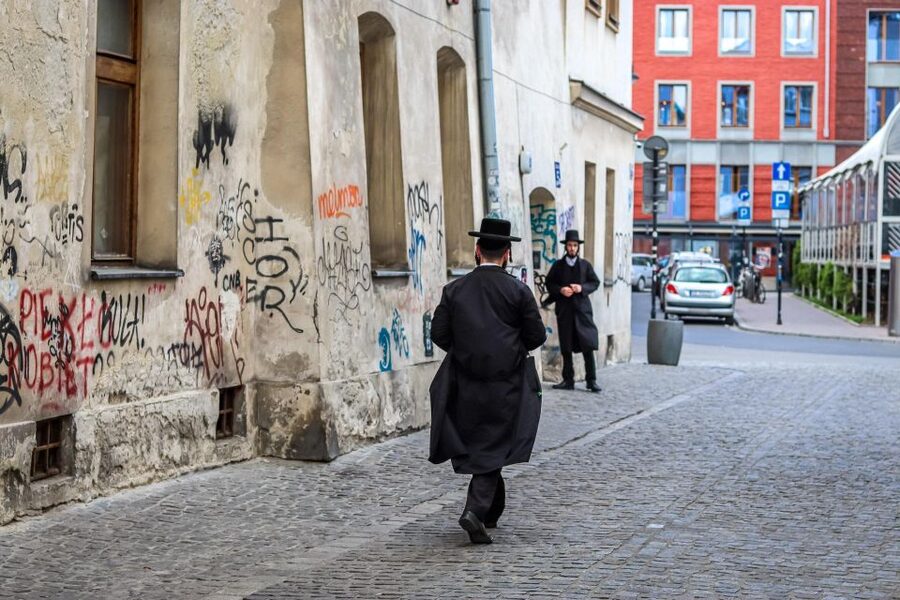
The tour does not treat the Holocaust as a separate topic disconnected from earlier Jewish life. Instead, it builds toward the war by first showing you the community, its religious buildings, and its place in Krakow. That structure matters because it presents people as members of a living society, not only as victims in a later chapter.
Expect the discussion to become serious as the walk turns to death, persecution, and destruction during World War II. This is not a light sightseeing stroll. The subject calls for attention, and the German-language guide must handle painful material in a clear and respectful way.
The strongest comments about the guiding focus on explanation and delivery. German-speaking guides have been praised for excellent language skills, solid factual detail, and an ability to keep the tour engaging. One guide was described as informative and amusing, while another led the group through Kazimierz with extensive factual knowledge. That balance can help during a difficult tour, though humor is naturally a matter of personal taste when the subject is tragic.
You should expect a structured story rather than a collection of unrelated anecdotes. The included service is described as a carefully organized narrative, and that is valuable here. Krakow’s Jewish past covers centuries, while the tour has only two and a half hours. A clear sequence keeps the main thread visible.
Podgórze and the former Jewish ghetto
The route continues to Podgórze, the area of Krakow’s former Jewish ghetto during World War II. This part changes the character of the walk. Kazimierz presents a historic Jewish quarter and its religious buildings. Podgórze focuses on the wartime experience and the physical places connected with the ghetto years from 1941 to 1943.
The important point is the connection between the two districts. Kazimierz helps you understand the community before the war. Podgórze shows what happened when that community was forced into a confined wartime area. Moving between them gives the story a geographic shape that a lecture alone cannot provide.
The guide will identify places where persecution, death, and destruction took place in Krakow. The supplied details do not name each stop, so you should not expect a fixed list of monuments or interiors. Instead, you can expect the guide to point out relevant sites and explain their meaning as part of the wider story.
This section may be especially valuable if you want to understand Krakow beyond its postcard center. It takes you into the former ghetto area and asks you to look at ordinary urban spaces through their wartime history. At the same time, the emotional weight is considerable. I would not schedule this immediately before a busy evening if you prefer time to process serious subjects.
The Jewish revival in modern Krakow
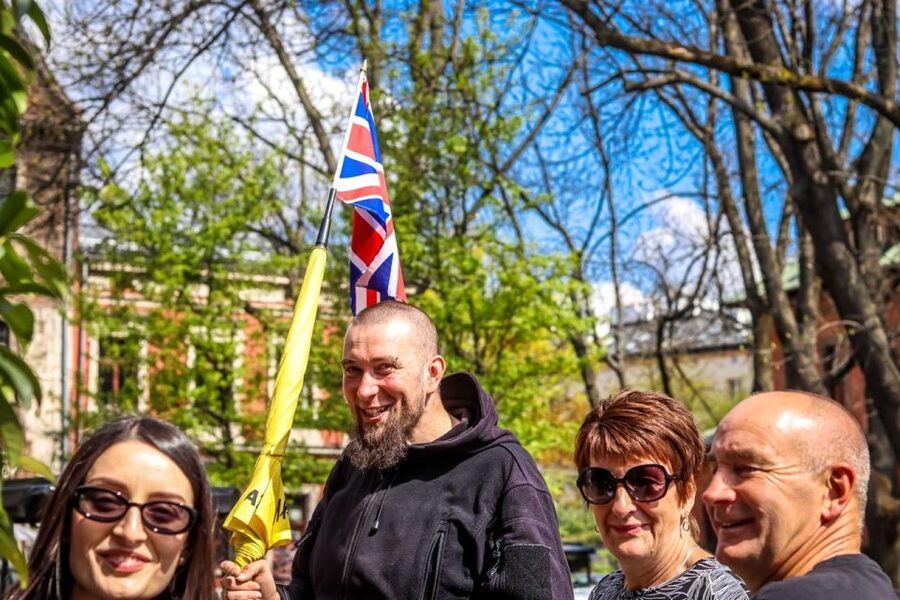
The tour does not end with wartime destruction. It also discusses the revival of Jewish culture in present-day Krakow and the small but lively Jewish community that exists today. That final part prevents the story from becoming frozen in 1943.
Today’s Kazimierz is also a cultural center of modern Krakow. The district’s Jewish identity is expressed through surviving religious buildings, cultural activity, and the continued presence of Jewish life, even though the community is much smaller than it was before the war. The guide helps you see both sides: this is a historic quarter shaped by enormous loss, and it is also part of the living city.
I find that ending particularly useful for first-time visitors. Without it, you might leave with the impression that Jewish Krakow exists only as a memorial to the past. The modern chapter offers a more accurate view. It does not erase the tragedy, but it shows that the story continues.
The balance between past and present is one of the tour’s strongest features. You get architecture, local history, Holocaust education, and a look at current cultural life in one route. If you want a tour focused only on synagogue interiors or religious practice, this may feel too broad. If you want the larger story of the district, the range is a strength.
Same base, a different kind of day:
- From Krakow: Auschwitz-Birkenau Guided Tour & Hotel Pickup
★ 4.5 · 33,358 reviews - From Krakow: Auschwitz-Birkenau Guided Tour & Hotel Pickup
★ 4.5 · 29,340 reviews - Krakow: Auschwitz Guided Tour with Optional Hotel Pickup
★ 4.5 · 15,280 reviews - Krakow–Zakopane: Cable Car, Chocholow Baths, Cheese & Vodka
★ 5.0 · 10,720 reviews
What the German-language guiding adds
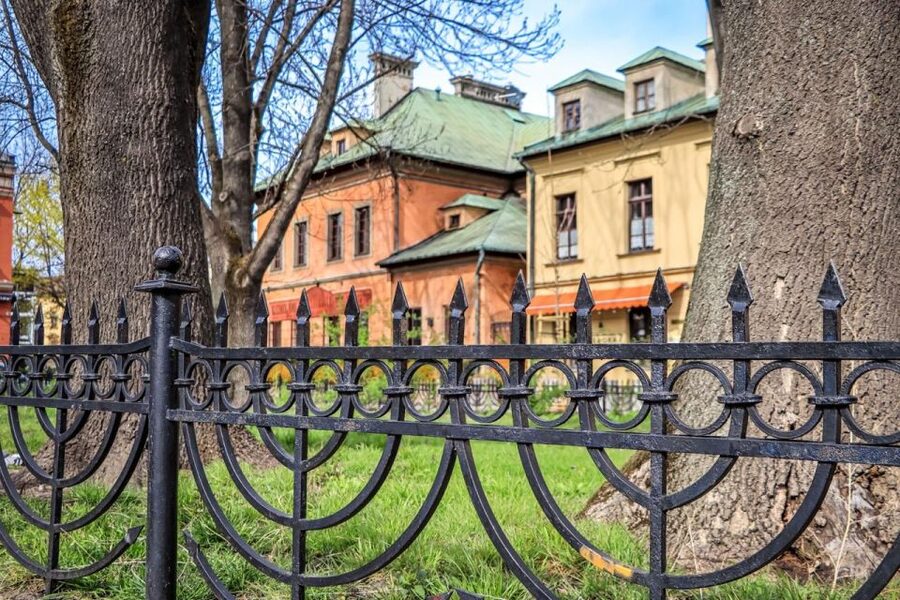
This tour is specifically conducted in German, so it makes sense for German-speaking visitors who want more than a basic translation of street names. You can ask questions, follow the chronology, and catch the distinctions between the Jewish quarter, the former ghetto, and the modern cultural district.
The German ability of the guides has been a clear strength. Judith specifically praised a guide’s excellent German and well-supported explanations. Petra highlighted an informative, varied route and strong interaction with the female guide leading her group. Those details suggest that the experience depends not only on the route but also on the individual guide’s way of handling the group.
Max has also led the tour and was praised for taking the group to different sites and offering a strong supply of facts. You may not have Max on your date, and the female guide named in one account is not identified, but the examples show the kind of leadership to expect: organized stops, clear historical explanation, and room for interaction.
One participant found the tour informative and amusing but wished for more time at some locations. That is a useful warning. The guide has a lot to cover, and the route cannot linger at every building. If you enjoy detailed photography or long architectural discussions, plan to return to Kazimierz on your own after the tour.
Is $26 good value for 150 minutes?
The listed price is $26 per person, but the payment structure needs careful attention. This is a general pay-what-you-wish tour. The amount paid at booking covers the reservation fee and the guide’s payment, so it is not a standard ticket for a private or fully exclusive walk.
At that price, I see good value if you want a guided introduction to both Kazimierz and Podgórze. A local guide gives you a chronological framework, connects sites that you might otherwise visit separately, and provides German-language explanation for two and a half hours. The value is strongest if you are unlikely to return later for a self-guided reading of the district.
The format is less suitable if you expect a private tour, hotel pickup, snacks, or return transportation. None of those is included. You meet at the Old Synagogue and make your own way there and back. The $26 also does not include a snack, so plan accordingly before the walk.
You can reserve now and pay later, which helps if your Krakow schedule is still changing. Free cancellation is available up to 24 hours before the activity for a full refund. Those terms make it easier to fit the walk into a short visit, but you still need to check the available starting times before booking.
Who should choose this Krakow walk?
I would recommend it to German-speaking visitors who want historical context rather than a quick photo stop. It suits anyone interested in Jewish heritage, religious architecture, World War II, Holocaust history, and the present-day cultural life of Krakow.
It is also a good choice if you want the two districts explained together. Kazimierz and Podgórze are linked by history, but they offer different visual and emotional experiences. The tour gives you a route through both without asking you to assemble the connections alone.
You should think twice if you want a relaxed café walk or a tour with long pauses inside each building. The subject is serious, the route covers substantial ground, and one account specifically noted that some stops felt too brief. The tour is also not the right fit if you need hotel pickup or transportation between districts.
Comfortable shoes are sensible, and arriving early matters. Since there is no snack included, eat beforehand or plan food for afterward. Most important, bring the right frame of mind. You will hear about the destruction of a community and the places where Holocaust events took place.
Should you book Jewish Krakow in German?
Book this tour if you want a clear German-language story that moves from prewar Jewish life in Kazimierz to the former ghetto in Podgórze and then to modern Krakow. The guide quality appears to be a major part of the experience, with Max and other German-speaking guides praised for clear facts, strong delivery, and good interaction.
The $26 price is reasonable for 150 minutes of local guidance, especially if you value context and want both districts connected in one outing. Just keep your expectations realistic: this is a group pay-what-you-wish format, not a private tour, and some stops may feel short. For a serious, focused introduction to Jewish Krakow, it is a worthwhile choice.
FAQ
In which language is the tour conducted?
The tour is conducted in German, with a live German-speaking guide.
How long does the tour last?
The walking tour lasts 150 minutes, or two and a half hours.
What is the price?
The listed price is $26 per person.
Where does the tour meet?
The meeting point is on the stairs in front of the Old Synagogue, on the main street of Krakow’s Jewish district.
How early should I arrive?
You should arrive at the meeting point 10 minutes before the scheduled starting time.
Does the tour include hotel pickup?
No. Hotel collection and return transport are not included.
Is food included?
No snack is included in the activity.
Can I cancel for a full refund?
Yes. You can cancel up to 24 hours in advance for a full refund.
Can I reserve now and pay later?
Yes. The activity allows you to reserve your place and pay later.
Just added in Kraków
- Krakow: Zalipie Village Tour★ 4.6 · 8 reviews
- ZALIPIE – painted village, unique PRIVATE tour from Krakow★ 5.0 · 20 reviews
- From Krakow: Guided Tour of Zalipie★ 4.6 · 30 reviews
- From Krakow: Zalipie Village Day-Tour★ 4.9 · 74 reviews
- Krakow: Axe Mate Club Shooting Range Entry Ticket★ 4.7 · 60 reviews
- Krakow: Axe Throwing Fun★ 4.9 · 70 reviews
- Krakow: Energylandia Park Entry Ticket and Optional Transfer★ 4.8 · 39 reviews
- Krakow: Guided Craft Beer Tour★ 4.4 · 38 reviews
Jewish Quarter & Ghetto Tours, compared.

Bike Tour of Old Town, Jewish Quarter and the Ghetto
Read the review →
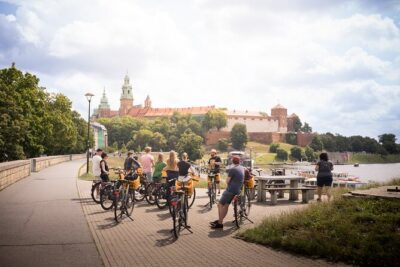
Full Bike Tour – the Old Town, Jewish Qtr & the Ghetto NEW BIKES
Read the review →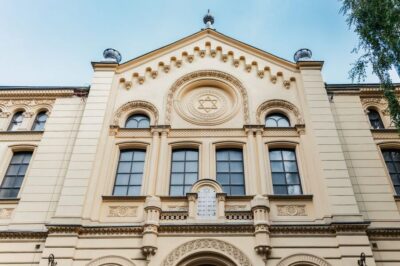
Warsaw Ghetto Private Walking Tour with Hotel Pickup
Read the review →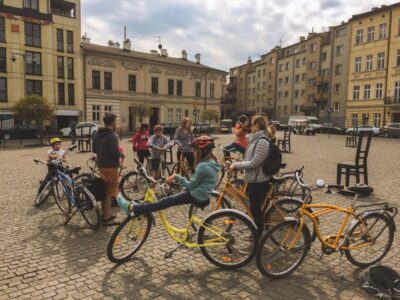
Bike Tour of the Old Town, Kazimierz, and the Ghetto
Read the review →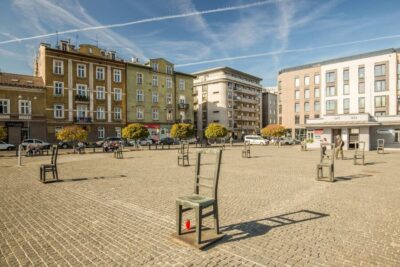
Browse the lists this tour appears in