
Reviewed · JEWISH QUARTER & GHETTO TOURS
Krakow: Jewish Ghetto Guided Walking Tour
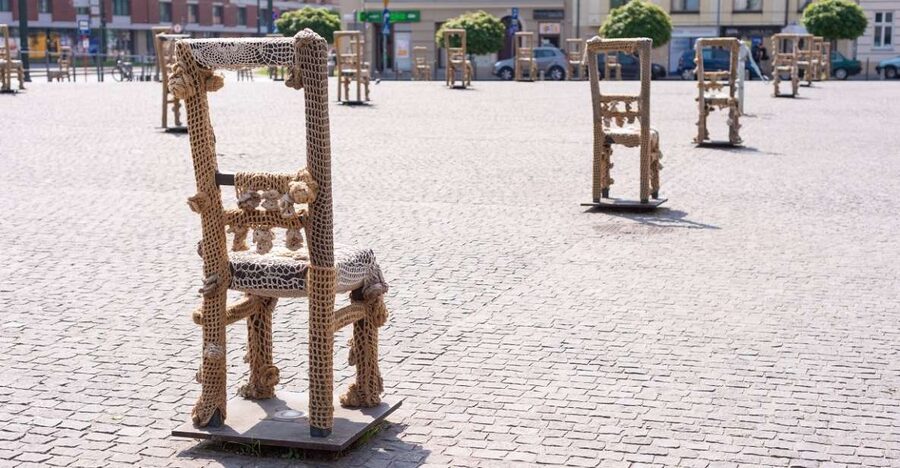
The most powerful part of this one-hour walk is how ordinary streets change meaning. Podgórze can look like just another Krakow neighborhood, but a guide connects its walls, square, and buildings to the people who were confined, deported, and forced to survive here. I especially like the surviving Ghetto Wall fragments and the empty chairs at Ghetto Heroes Square, two physical reminders that make the history easier to grasp.
I also like the focus on the Under the Eagle Pharmacy and the moral choices made there. The short duration keeps the price at a modest $15, though it also means the tour offers selected sites rather than a full study of Krakow under Nazi occupation.
Key points at a glance
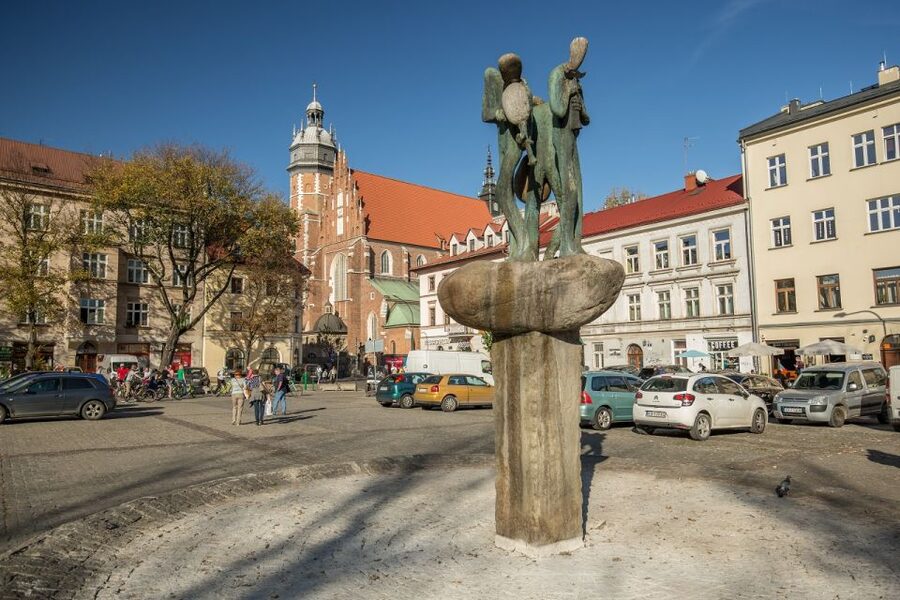
- Former Ghetto Wall fragments: See one of the few remaining physical markers of the boundary that confined Krakow’s Jewish population.
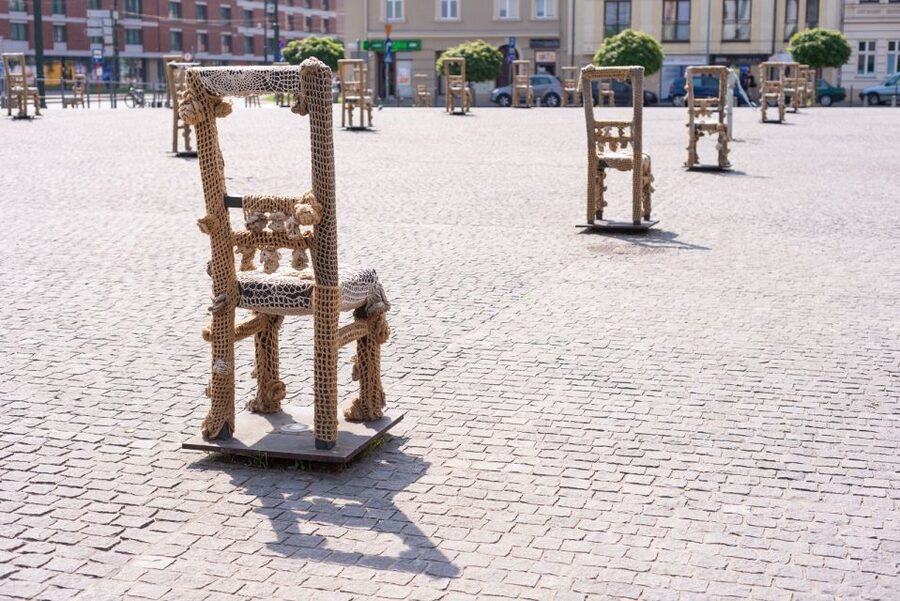
- Ghetto Heroes Square: Learn why the empty metal chairs form such a striking memorial to deportation and loss.
- Under the Eagle Pharmacy: Hear about Tadeusz Pankiewicz and his staff, who helped people inside the ghetto.
- Schindler’s Factory meeting point: Begin with the occupation, industry, forced labor, and daily life in Podgórze.
- Five guide languages: Tours are offered in English, German, Italian, French, and Spanish.
- Low-cost historical context: At $15 for an hour, this is an easy addition to a Krakow sightseeing day.
Why this short walk matters in Podgórze
Krakow’s former Jewish Ghetto is not presented here as a collection of isolated sights. The guide helps you connect the places into a story about control, fear, work, family life, resistance, and survival.
That matters because Podgórze does not announce its wartime past at every corner. You can walk through the district and see normal streets and buildings unless someone explains what happened there. The tour gives those places a human and historical frame without requiring you to spend half a day in a museum.
The experience begins near Schindler’s Factory Museum, on the right-hand side of the main entrance. Look for the guide holding an excursions.city sign. This is a useful meeting point because the area introduces the wider setting before the walk turns toward the former ghetto.
You’ll hear how the Nazi occupation changed this part of Krakow and how industry, forced labor, and ordinary routines became tied together. That opening context is important. It shows that the ghetto was not an event separate from the rest of the city. Workplaces, streets, pharmacies, homes, and public spaces all became part of a system of control.
More walking tours in Kraków:
- Old Town Krakow & Wawel Castle Walking Tour
★ 5.0 · 1,508 reviews - Creepy Krakow: 2-Hour City Walking Tour
★ 4.7 · 1,131 reviews - Krakow: The Old Town Walking Tour
★ 4.8 · 794 reviews
Starting at Schindler’s Factory
The tour does not include entry to Schindler’s Factory Museum. Instead, the museum serves as the starting point for the outdoor walk.
That distinction matters if you are planning your day. You will not receive a museum visit as part of the $15 price, and entrance fees to attractions are not included. If you want to tour the museum interiors, plan that separately and allow additional time.
Still, beginning here makes sense. The meeting point lets the guide establish the historical setting before you move through Podgórze. You begin with the wider machinery of occupation, then see how that machinery affected people in one confined district.
I like this structure because it avoids treating the ghetto wall or memorial square as disconnected stops. You first get a basic explanation of the occupation and local industry, then follow the route into the places where those policies shaped daily life.
Arrive 10 minutes early. This is especially important for a one-hour walking tour. Once the group has left, late arrivals cannot join, and the ticket cannot be refunded. The instructions are strict, but the reason is practical: a short walking tour cannot easily wait for missing people or arrange a second meeting point.
Seeing the surviving Ghetto Wall
The remains of the former Ghetto Wall are among the most useful stops on the route because they give you something concrete to look at. A written account can describe separation and confinement, but a surviving section of wall makes the boundary physical.
Your guide explains how the wall confined Krakow’s Jewish population and cut the ghetto off from the rest of the city. The location is not simply a photo stop. It helps you understand that the ghetto was a controlled space with limits imposed from outside.
This is also where the value of a guide becomes clear. Without explanation, a fragment of old masonry may look easy to miss. With historical context, it becomes evidence of how quickly familiar urban space was turned into a place of restriction.
The tour’s outdoor format has a practical tradeoff. You are seeing authentic streets and surviving structures, but you are not entering a purpose-built exhibit with extensive labels, climate control, or displayed artifacts. The meaning comes mainly through the guide’s narration, so the quality and clarity of the explanation matter.
The available languages are English, German, Italian, French, and Spanish. A United Kingdom visitor specifically praised the host’s speaking speed and ability to answer questions, while Italian feedback praised the clarity and helpfulness of guides Renata and Elena. That suggests you should expect a spoken tour built around explanation and questions, not a silent route with a printed script.
Ghetto Heroes Square and the empty chairs
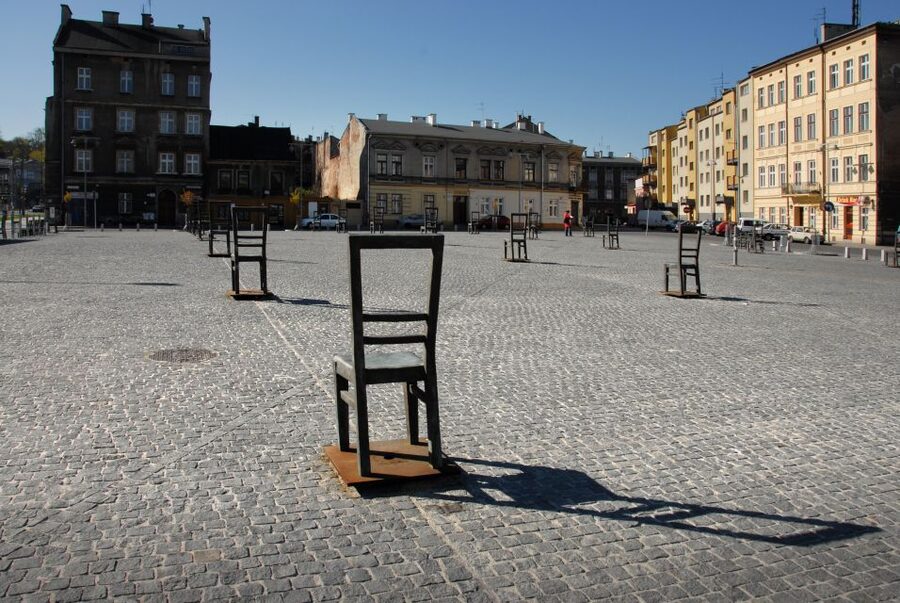
The route continues to Ghetto Heroes Square, the former center of the Krakow Ghetto and a place connected with deportations.
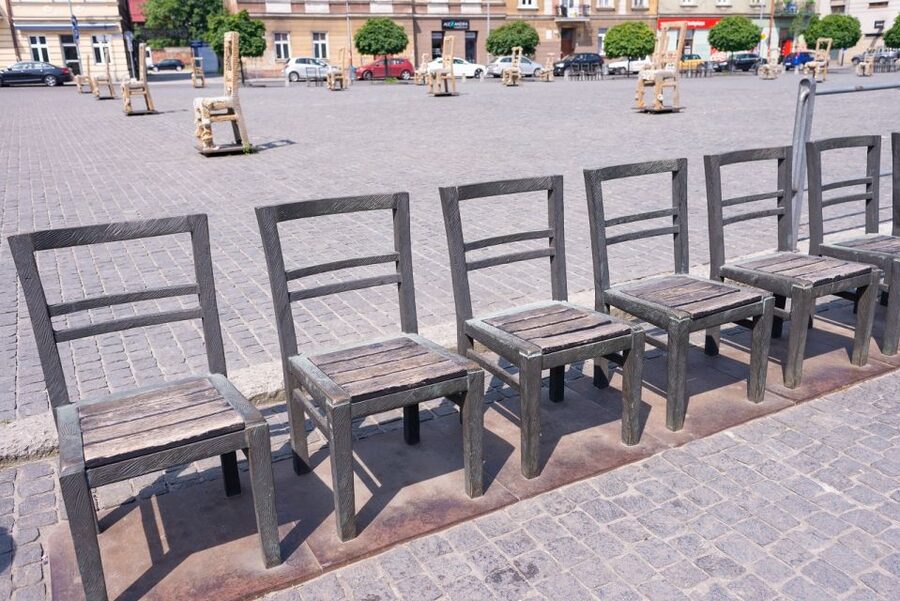
The memorial of empty metal chairs gives the square much of its emotional force. The chairs represent lives lost, and their arrangement turns a broad public space into a place of absence. You do not need a long explanation to see that something has been removed, but the guide provides the historical context that tells you what that loss means.
I find this stop especially effective for visitors who want to understand the human cost of the ghetto rather than only its administrative history. The wall explains physical confinement. The square and chairs point toward the people who were taken away and the homes and communities left behind.
You should also expect the guide to discuss how the square functioned during the ghetto period. This is not only a memorial site today. It was once part of the daily structure of a community under Nazi rule and became connected with deportations.
Because the complete tour lasts one hour, the stop cannot cover every person or event linked to the square. That is a limitation worth knowing. You will receive a focused explanation of the site, not an exhaustive lecture on every stage of the occupation.
Other Jewish-heritage walks around Kraków:
- Krakow: Schindler’s Factory & Ghetto Guided Tour
★ 4.7 · 1,694 reviews - Krakow: Jewish Quarter and Former Ghetto Tour
★ 4.9 · 1,441 reviews - Krakow: Bike Tour of Old Town, Jewish Quarter and the Ghetto
★ 4.9 · 1,155 reviews - Krakow: Kazimierz Jewish Quarter Walking Tour
★ 4.8 · 571 reviews
Under the Eagle Pharmacy and acts of courage
Across from the square is the historic Under the Eagle Pharmacy. The tour uses this place to tell the story of Tadeusz Pankiewicz and his staff, who provided important help to people living in the ghetto.
This is one of the route’s strongest human stories. The wall and square show the system from the outside. The pharmacy brings the focus to individual decisions made inside that system. You learn about assistance, courage, compassion, and the difficult moral choices faced during the occupation.
The pharmacy also adds variety to the tour. You are not only looking at a barrier or a memorial. You are considering how a working business became part of life in the ghetto and how its staff offered support under dangerous conditions.
Entrance to attractions is not included, so do not assume the walk includes access inside the pharmacy. The supplied details identify it as a historic site on the route, with the guide explaining its role. If entering the building is important to you, check the current arrangements when booking.
For me, this stop helps prevent the tour from becoming a list of dates and locations. It brings the subject back to practical acts: helping, choosing, risking, and surviving.
What the one-hour format gives you
An hour is enough to visit the main outdoor points and gain a clear outline of the ghetto’s history. It is not enough for every street, every building, or a long discussion at each stop.
That short format can work well on a busy Krakow itinerary. At $15 per person, the tour is inexpensive compared with many guided city experiences, and it gives you a useful introduction before you decide how much more time to spend in Podgórze or at nearby museums.
The tradeoff is pace. You will need to stay with the group, listen while walking or standing, and accept that some subjects receive only a brief explanation. If you want an academic treatment of the Nazi occupation, a museum visit or longer specialist tour would add more detail.
I see this experience as a strong first step. It gives you a map of the important places and explains why they matter. You can then revisit a location independently, spend more time at a museum, or simply walk through Podgórze with a better understanding of what you are seeing.
Price, timing, and practical comfort
At $15, the tour offers good value if you want a licensed guide to explain several significant sites without committing to a longer excursion. The price covers the professional guide and the walking route, but not attraction admission.
The booking terms also give you some flexibility. You can reserve now and pay later, and cancellation is free up to 24 hours before the start time. Those options help if your Krakow schedule may change.
The walk runs in all weather. Check the forecast and wear suitable footwear and clothing. This is not a coach tour or an indoor museum program, so rain, cold, heat, or wet pavement can affect how comfortable you feel.
There is no need to overpack for an hour, but bring what you need to stay comfortable outdoors. Most important, arrive early and be ready to begin at the stated time. Missing the departure means you cannot join later and cannot receive a refund.
Who will get the most from this tour
I would choose this walk if you want an accessible introduction to Krakow’s wartime past and prefer real streets over a purely indoor presentation. It suits first-time visitors who need context, as well as returning visitors who want to understand Podgórze more clearly.
It is also a good choice if you have limited time. The route brings together the former wall, Ghetto Heroes Square, and Under the Eagle Pharmacy in one compact experience. You do not have to research the route yourself or work out why each location matters.
Families and older visitors should consider the subject matter and outdoor format. The history is serious, and the tour deals with confinement, deportations, loss, and survival. The walk is only one hour, but the emotional weight can be considerable.
I would be more cautious about booking it as your only Krakow history experience. The short duration and lack of included attraction entry mean you will receive a focused introduction, not a complete account of the city’s Jewish history or the full Nazi occupation.
The guide’s delivery is central to the experience. Feedback has praised clear explanations, a friendly manner, an understandable pace, and willingness to answer questions. Elena and Renata are two guide names connected with positive experiences, though the guide assigned to your departure may be different.
My call on booking
Book this tour if you want a low-cost, carefully focused walk that makes Podgórze’s ordinary streets easier to read. The Ghetto Wall, empty chairs at Ghetto Heroes Square, and Under the Eagle Pharmacy give the hour a strong sequence, moving from confinement to deportation and then to personal courage.
Skip it if you need extensive museum time, interior access, or a long scholarly discussion. For most visitors with an hour to spare, though, the $15 price is reasonable, especially if you arrive prepared for the weather and treat the tour as an introduction rather than the final word on Krakow’s wartime history.
FAQ
Where does the Jewish Ghetto walking tour meet?
Meet in front of the main entrance to Schindler’s Factory Museum, on the right-hand side. The guide will hold an excursions.city sign.
How long does the tour last?
The walking tour lasts one hour.
What places are included in the route?
The route includes the area around Schindler’s Factory, remnants of the former Ghetto Wall, Ghetto Heroes Square, and the historic Under the Eagle Pharmacy.
Is entry to Schindler’s Factory Museum included?
No. The tour includes the guided walk, but attraction entrance fees are not included.
Is entry to Under the Eagle Pharmacy included?
No attraction entrance fees are included. The guide discusses the pharmacy and its history as part of the walking route.
What languages are available?
The live guide may conduct the tour in English, German, Italian, French, or Spanish.
How much does the tour cost?
The listed price is $15 per person.
How early should I arrive?
Arrive 10 minutes before the tour begins. Once the group has departed, late arrivals cannot join and tickets cannot be refunded.
Does the tour operate in bad weather?
The tour takes place as planned in all weather conditions. Check the forecast and wear suitable clothing and footwear.
Can I cancel or pay later?
You can cancel up to 24 hours in advance for a full refund. You can also reserve your place and pay later.
Just added in Kraków
- Wawel Castle, Old Town with St. Mary’s Church Guided Tour★ 5.0 · 3 reviews
- Wawel Castle, Old Town with St. Mary’s Church Guided Tour★ 5.0 · 5 reviews
- Wawel Castle, Cathedral, Old Town and St. Mary’s Basilica★ 4.8 · 13 reviews
- Wawel Castle, Cathedral, & Rynek Underground Tour with Lunch★ 4.5 · 10 reviews
- Wawel Castle & Cathedral Skip the Line Small Group Tour★ 5.0 · 3 reviews
- Wawel Castle and Cathedral Guided Tour★ 4.6 · 44 reviews
- Wawel Castle, Cathedral, Rynek Underground Tour with Lunch★ 5.0 · 3 reviews
- Wawel Castle and Cathedral Guided Tour★ 5.0 · 8 reviews
Jewish Quarter & Ghetto Tours, compared.

Bike Tour of Old Town, Jewish Quarter and the Ghetto
Read the review →
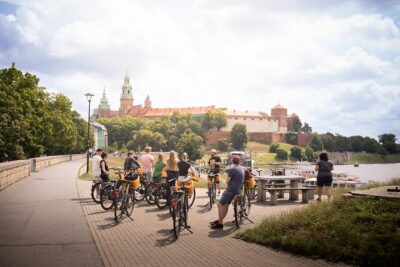
Full Bike Tour – the Old Town, Jewish Qtr & the Ghetto NEW BIKES
Read the review →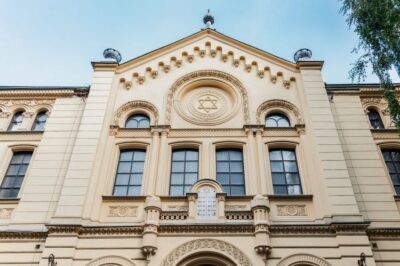
Warsaw Ghetto Private Walking Tour with Hotel Pickup
Read the review →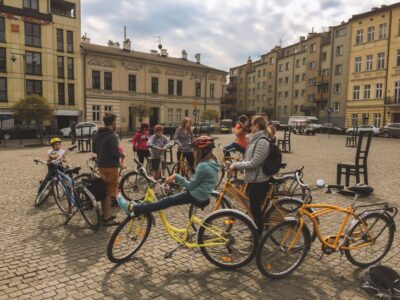
Bike Tour of the Old Town, Kazimierz, and the Ghetto
Read the review →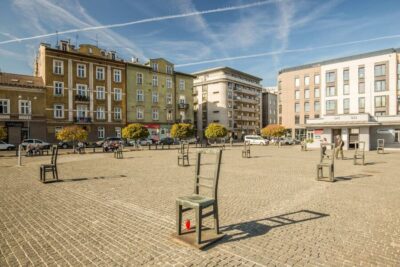
Browse the lists this tour appears in