

Reviewed · JEWISH QUARTER & GHETTO TOURS
Skip-the-Line Polin Museum Warsaw Jewish History Tour
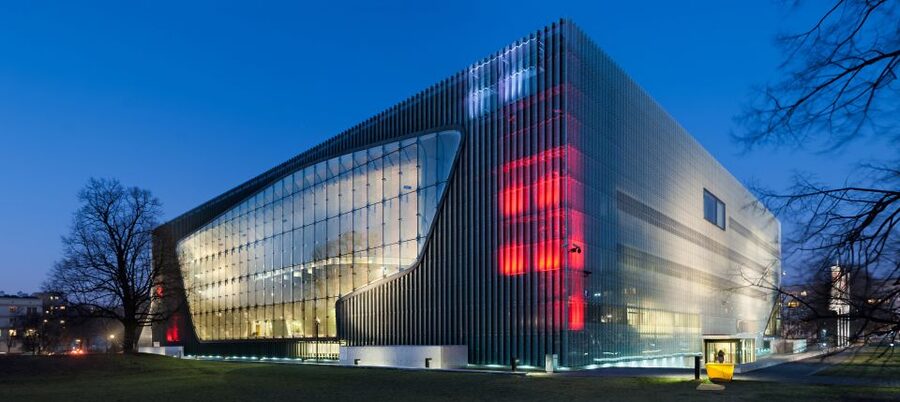
The POLIN Museum tells more than the story of Jewish suffering. It traces over 1,000 years of Jewish life in Poland, from the first settlements and the growth of Jewish culture to the Holocaust and the present day. I like that the tour gives this long story a human scale, and I like having a private licensed guide who can explain difficult subjects in your own language.
The 4-hour option is the stronger choice if you have the time. It adds the former Warsaw Ghetto, including the Ghetto Heroes Monument, the Miła 18 resistance site, and Umschlagplatz. The main drawback is that the $152 price is a serious spend for one person, especially if you choose the shorter museum-only visit.
Key points to know before booking
- Meet at the Ghetto Heroes Monument: Your guide meets you at Zamenhofa 11, directly in front of the monument.
- Two versions are available: The 2-hour tour covers POLIN Museum, while the 4-hour option adds a walking tour of the former Warsaw Ghetto.
- The museum story spans 1,000 years: You move from medieval Jewish settlement to modern Jewish life, with the Holocaust placed within a much longer history.
- The 4-hour walk adds real places: You visit Miła 18, the Ghetto Heroes Monument, and Umschlagplatz.
- Skip-the-line has limits: You avoid the museum ticket-office line, but you still pass through the entrance and security checks.
- Guide quality is central: Agnieszka, Jan, and Jolanta are named guides connected with especially strong experiences, but your assigned guide depends on availability.
Why POLIN Museum deserves your time
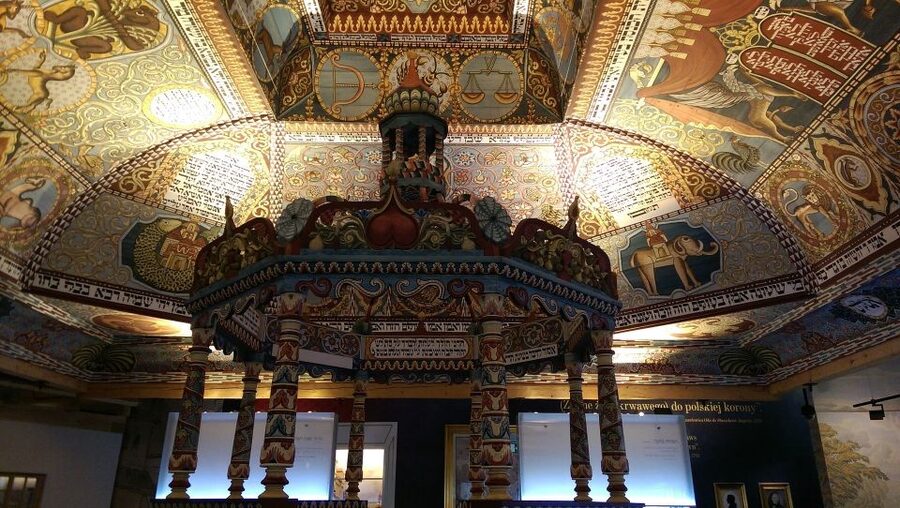
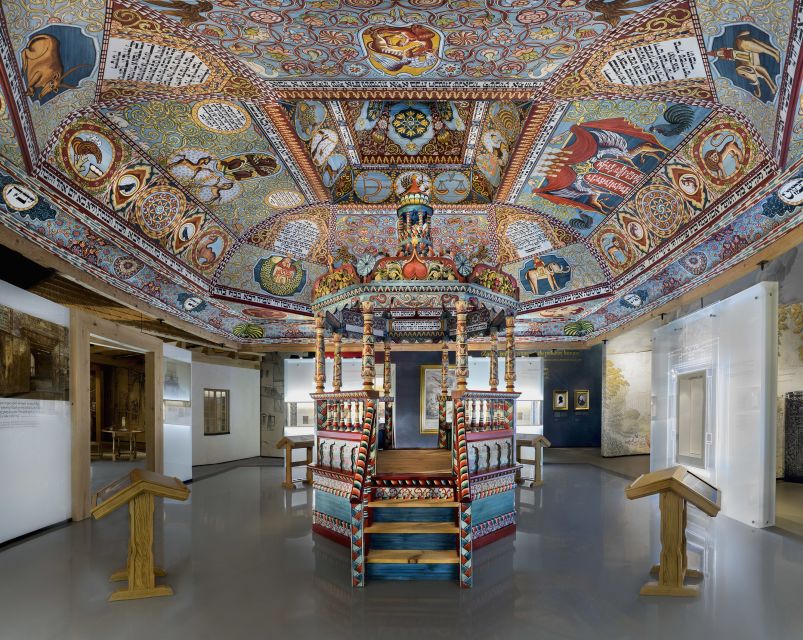
POLIN Museum is one of Warsaw’s most important cultural institutions, and its subject reaches far beyond the years of Nazi occupation. The museum follows Jewish life in Poland across more than a thousand years, giving you the setting needed to understand how Jewish communities became an important part of Polish society and European Jewish culture.
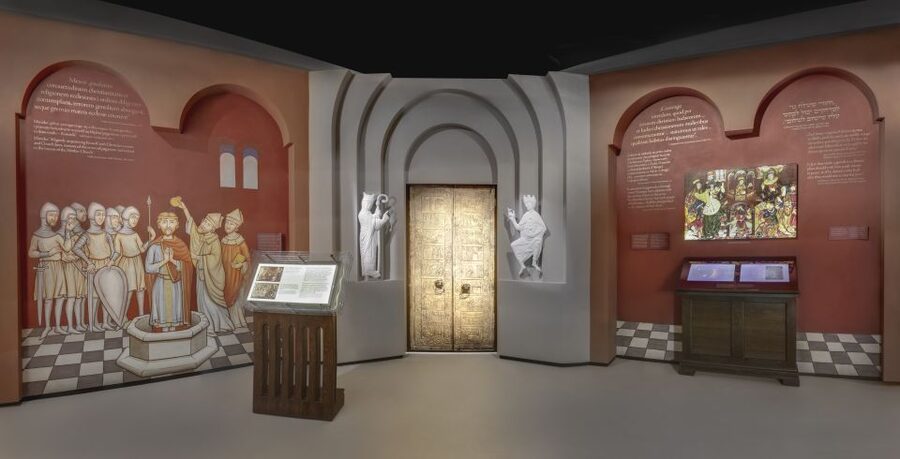
That wider view matters. If you enter expecting only a Holocaust museum, you may miss one of the tour’s strongest features: the story begins long before World War II. You learn about the first Jewish settlements in Poland, the growth of communities, and the place of Poland as a major center of Jewish life in Europe.
I like this approach because it keeps the Holocaust from becoming an isolated chapter. You first see the people, customs, communities, and institutions that existed for centuries. Then you can better grasp what was destroyed during the German occupation of Poland.
The museum also brings the story forward to the present day. That gives the visit a sense of continuity, even while the Holocaust section remains the emotional center. You are not simply looking at a record of a vanished world. You are learning how Jewish life developed, suffered, survived, and continues.
Other Jewish-heritage walks around Warsaw:
- Warsaw: Warsaw Ghetto Private Walking Tour with Hotel Pickup
★ 4.9 · 369 reviews - Warsaw: Jewish History Guided Walking Tour in English
★ 4.7 · 324 reviews - Private Tour: Warsaw’s Jewish Heritage by Retro Fiat
★ 5.0 · 208 reviews
What you see on the 2-hour museum tour
The 2-hour version is built around the POLIN Museum’s main exhibition. Your guide leads you through the galleries and explains the major periods in a chosen language: English, French, German, Italian, Russian, Spanish, or Polish.
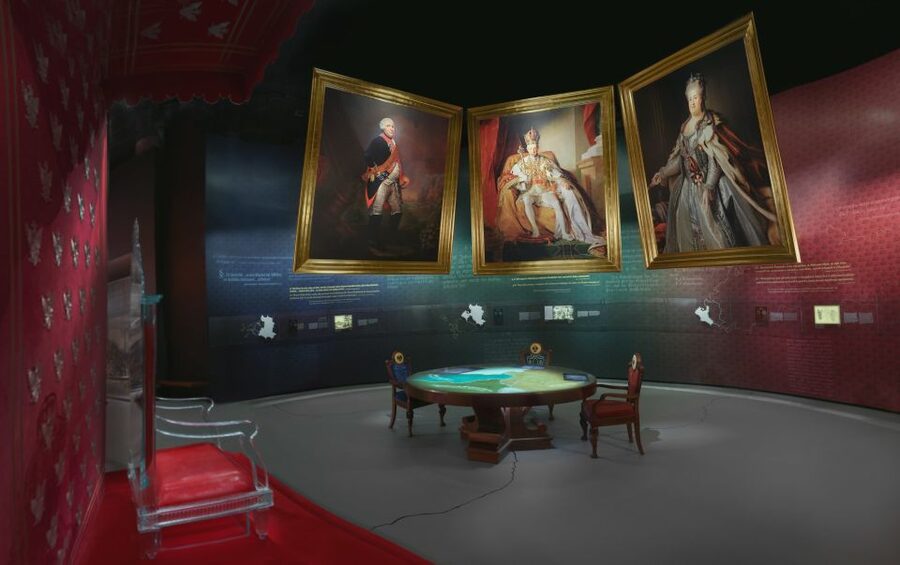
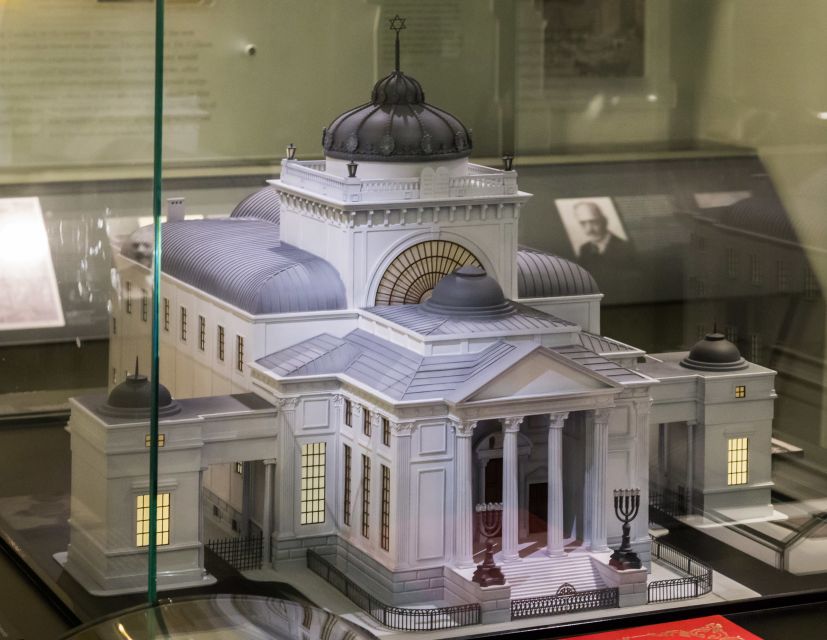
The museum covers the arrival and settlement of Jewish people in Poland, the formation of communities, and the growth of Jewish culture. The guide’s role is important here. A large museum can give you plenty to read, but a private guide helps you understand which details matter and how the different periods connect.
You can expect discussion of Jewish daily life, culture, and the changing relationship between Jewish communities and the wider society around them. The tour is not just a fast march from display to display. The goal is to give you a clear account of how Jewish life developed across the centuries.
The World War II galleries focus on German occupation, life inside the Warsaw Ghetto, the ghetto uprising, Nazi concentration camps, rescue efforts, and the murder of approximately 3 million Polish Jews during the Holocaust. These subjects are painful, and the guide can help place them in historical order without leaving you to piece everything together alone.
The museum’s scale means two hours will not cover every detail. That is both a benefit and a limitation. A private guide can keep the visit focused, but you should not expect to read every panel or explore every part at leisure. If you prefer slow, independent museum visits, you may want extra time before or after the guided tour.
The museum ticket includes the main exhibition, the ongoing temporary exhibition, and the Heritage Gallery. Temporary displays can change, so the exact content will depend on what is showing when you visit.
Choosing between two hours and four

The choice is simple in theory, but it depends on how much context you want.
Choose the 2-hour option if you want a focused museum visit, have limited time in Warsaw, or prefer not to spend several hours on a difficult subject. It gives you a private introduction to the museum and covers the central story with a guide in your selected language.
Choose the 4-hour option if the Warsaw Ghetto is a major reason for your visit. This version combines the museum with a walking tour through the former ghetto area. It requires more time and emotional energy, but it gives physical meaning to the events discussed inside POLIN.
The longer option also helps you connect museum information with actual locations. A map or exhibition panel can explain the ghetto. Walking between memorial sites shows how history is placed within the city itself.
The 4-hour tour is not simply the 2-hour tour with a little extra wandering. It adds a second part with its own purpose. The museum gives you the broad historical framework. The walk focuses on the German-established ghetto, the lives of those imprisoned there, the resistance, and the deportations.
Beginning at the Ghetto Heroes Monument
The meeting point is in front of the Ghetto Heroes Monument at Zamenhofa 11, Warsaw 00-001. This is a meaningful place to begin because the monument directly relates to the Warsaw Ghetto uprising and to the people who resisted German forces.
Starting here gives you an immediate connection to the 4-hour route. You are not beginning with an anonymous street corner and only later learning where you are. The guide can use the location to set the tone and explain why this part of Warsaw matters.
If you book the 2-hour museum tour, the same meeting point is used, but you do not receive the Warsaw Ghetto walking tour. This is an important distinction when comparing the options. The meeting location does not mean both versions include the same outdoor itinerary.
A few more things to do in Warsaw worth a look
- Warsaw: POLIN Museum of the History of Polish Jews Ticket
★ 4.7 · 1,142 reviews - Warsaw: Polish Vodka Museum Tour with Tasting
★ 4.6 · 788 reviews - Warsaw: Museum World of Illusion Entry Ticket
★ 3.9 · 666 reviews - Warsaw: Ghetto, Jewish Cemetery & POLIN Museum Private Tour
★ 4.8 · 132 reviews
Walking through the former Warsaw Ghetto
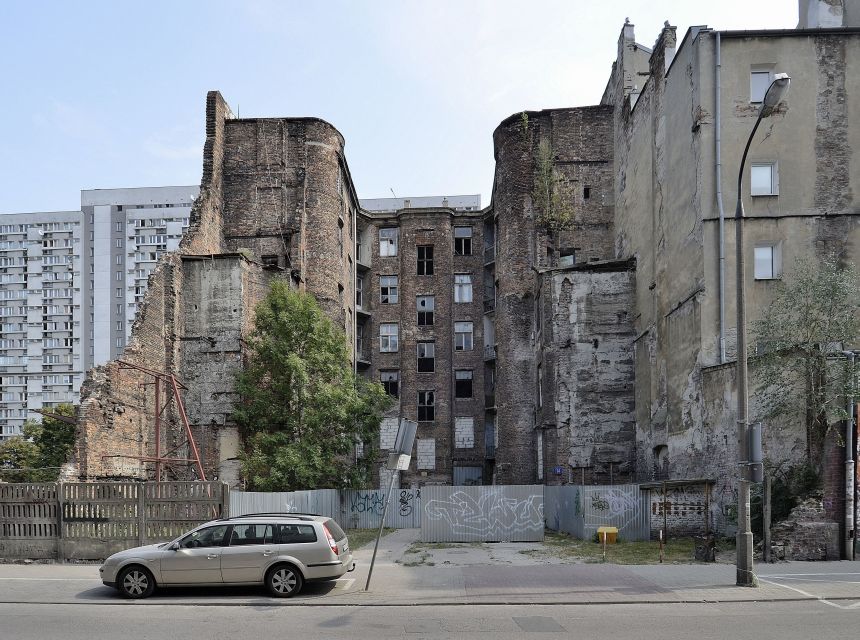
The 4-hour walk examines the history of the largest Jewish ghetto in Europe, from its creation by Nazi forces in German-occupied Poland to its liquidation. Your guide explains daily life under extreme restrictions, the destruction of the community, the uprising, and the deportation process.
The outdoor portion is valuable because much of the former ghetto no longer looks as it did during the war. You need a guide to point out what happened in places that may otherwise look like ordinary city streets. Agnieszka, one of the guides praised for her ability to show sites visitors could easily miss, is a good example of why local explanation matters here.
The route includes several memorial places:
- Monument to the Ghetto Heroes: This marks the courage and resistance of those who fought in the Warsaw Ghetto uprising.
- Miła 18: This was the location of the headquarters bunker of a Jewish resistance group. The site connects the walk to the organized resistance inside the ghetto.
- Umschlagplatz Monument: This marks the departure point for Jews transported to Treblinka.
These are not interchangeable memorial stops. Each one represents a different part of the story: resistance, the final refuge of fighters, and the forced deportation of Jewish people to a death camp.
The walk may be physically manageable for many visitors, but its emotional weight is considerable. You should plan your day with some breathing room afterward rather than placing this tour between two rushed attractions.
The guide can make or break the visit
This is a private tour, so the guide has more room to adjust the pace and answer your questions than on a large group outing. The experience is available in seven languages, and the guide is assigned according to the language selected when you book.
Several guides have received especially strong praise for their delivery. Agnieszka was noted for showing important ghetto sites that are easy to miss and for explaining Jewish culture as well as Warsaw’s history. Jan was described as deeply informed about both the city and the subject. Jolanta was praised for her historical narrative and clear communication.
That does not guarantee that one of those three guides will lead your tour. Still, their strengths show what you should expect from a good guide on this subject: accurate facts, a clear timeline, sensitivity, and the ability to explain Jewish life as well as Nazi crimes.
A private guide is particularly useful when you have questions about terms, dates, or the difference between the ghetto uprising and the broader Warsaw Uprising. Those two events are often confused, and a guide can keep the story clear.
The tour is also offered for private groups rather than as a shared public experience. That suits families, couples, and small groups who want to ask questions without feeling they are slowing down strangers. It can also make the difficult material easier to process at your own pace.
What skip-the-line really means
The ticket arrangement saves time at the museum ticket office. That is helpful, especially at a leading museum where queues may build during busy periods.
Do not read skip-the-line as a promise of instant entry. You still need to pass through the museum entrance and security checks. Those steps cannot be bypassed, so allow a little patience even with a reserved ticket.
Admission covers the main exhibition, the ongoing temporary exhibition, and the Heritage Gallery. The guide will determine how much of this can be covered during your selected tour length. In two hours, the focus is likely to remain on the main story rather than every display.
The practical benefit is less about racing inside and more about protecting your limited Warsaw sightseeing time. Your guide can meet you, handle the museum admission process, and get the visit moving without making you first find a ticket counter.
Is $152 per person a fair price?
At $152 per person, this is not a budget museum visit. You are paying for a private experience, a licensed guide in your chosen language, museum admission, and, with the longer option, a dedicated walk through the former ghetto.
The value is strongest for two people or a small group who want personal attention. A private guide can explain difficult details, respond to your questions, and adapt the pace. If you are traveling alone, the cost is harder to justify unless this subject is one of your main reasons for visiting Warsaw.
The 4-hour option offers the clearest value because it combines two connected experiences: the museum’s long historical account and the outdoor memorial route. The 2-hour option is easier to fit into a busy schedule, but you pay a premium mainly for private guidance through the museum.
You should also consider the cost of misunderstanding the location. The former ghetto area includes sites that are not always obvious to someone walking alone. A guide who knows what to point out can save you from seeing only memorials without understanding their place in the wider story.
Practical details that matter
The tour lasts either two or four hours, and starting times depend on availability. Check the day-before email carefully for final instructions and any important meeting information.
The tour is wheelchair accessible. The guide service is available in English, French, German, Italian, Russian, Spanish, and Polish. You book a private group rather than joining a mixed public group.
You can cancel up to 24 hours before the tour for a full refund, and the reserve-now, pay-later option gives you some flexibility while finalizing your Warsaw plans.
Wear practical walking shoes for the 4-hour version. The information provided does not specify the exact walking distance, so you should not assume that the outdoor route is a brief stroll. The emotional demands matter as much as the physical ones, particularly when the walk reaches the deportation and resistance sites.
Who should book this Warsaw tour?
I would recommend it most strongly to first-time visitors who want a serious introduction to Jewish history in Poland and to people who would rather learn from a guide than read a museum alone.
The 4-hour version suits you if you want to understand the former Warsaw Ghetto as a real place, not just as a chapter in a book. It is also the better pick for anyone especially interested in resistance history, deportations, or the relationship between the museum and the city outside.
The 2-hour version suits you if your schedule is tight, if you want a focused museum introduction, or if you are unsure how much time you want to spend with Holocaust history in one day.
Families with older children may find the private format useful because a guide can answer questions in a direct way. The subject is not light, so you should decide based on the age and readiness of your group. The private setting gives you more control than a large group tour, but it does not soften the historical facts.
Should you book the POLIN Museum tour?
Book it if you want more than a quick museum visit. The strongest part is the combination of a first-rate historical institution, a private guide, and the option to walk through places tied directly to the Warsaw Ghetto.
I would choose the 4-hour version if your schedule allows. Miła 18 and Umschlagplatz give the museum story a physical setting, while the guide helps you understand what the city alone cannot explain.
Choose the 2-hour option if you need a shorter, museum-centered experience. At $152 per person, it is expensive, but the price can be worthwhile for private guidance in your own language and for a subject that deserves careful explanation. Just remember that skip-the-line access covers the ticket office, not security or museum entry, and that the ghetto walk is not included in the shorter tour.
FAQ
Where does the tour meet?
The meeting point is in front of the Ghetto Heroes Monument at Zamenhofa 11, Warsaw 00-001, Poland.
Does the 2-hour tour include the Warsaw Ghetto walking tour?
No. The 2-hour tour includes the POLIN Museum only. The walking tour of the former Warsaw Ghetto is included with the 4-hour option.
What is included with the museum admission?
Admission includes the main exhibition, the ongoing temporary exhibition, and the Heritage Gallery.
Does skip-the-line mean I can avoid all queues?
No. You can skip the line at the museum ticket office, but you still need to pass through the entrance and security checks.
Which languages are available?
The live guide is available in English, French, German, Italian, Russian, Spanish, and Polish.
Is this a private tour?
Yes. The experience is offered for a private group, with a licensed guide fluent in the language selected when booking.
Can I cancel if my plans change?
Yes. You can cancel up to 24 hours in advance for a full refund. The reserve-now, pay-later option also lets you book without paying immediately.
Just added in Warsaw
- Warsaw Zoo Skip-the-Line Entry Ticket with Private Transport★ 4.8 · 3 reviews
- Warsaw Private Wilanow Palace & Garden Tour★ 4.6 · 30 reviews
- Warsaw: Vodka Tour★ 4.4 · 18 reviews
- Warsaw Wolf’s Lair with St. Lipka and Mamerki Private Guided★ 4.2 · 3 reviews
- Warsaw Uprising and WWII Old Town Walking Tour with Museum★ 4.7 · 15 reviews
- Warsaw Old Town UNESCO HERITAGE walking tour in English★ 4.5 · 23 reviews
- Warsaw: Private Vodka Tasting Night with Snacks and Pickup★ 5.0 · 7 reviews
- Warsaw: Vistula River Cruise with Your Music & City Views★ 4.6 · 78 reviews
Jewish Quarter & Ghetto Tours, compared.

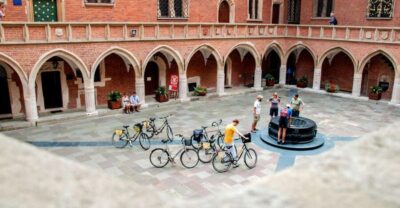
Bike Tour of Old Town, Jewish Quarter and the Ghetto
Read the review →
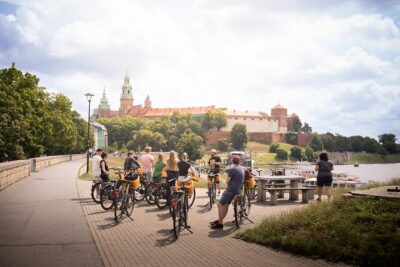
Full Bike Tour – the Old Town, Jewish Qtr & the Ghetto NEW BIKES
Read the review →
Warsaw Ghetto Private Walking Tour with Hotel Pickup
Read the review →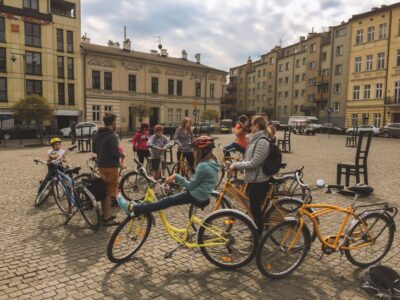
Bike Tour of the Old Town, Kazimierz, and the Ghetto
Read the review →
Browse the lists this tour appears in