
Reviewed · JEWISH QUARTER & GHETTO TOURS
Warsaw: 2-Hour Tour of Daily Life in the Ghetto Warsaw
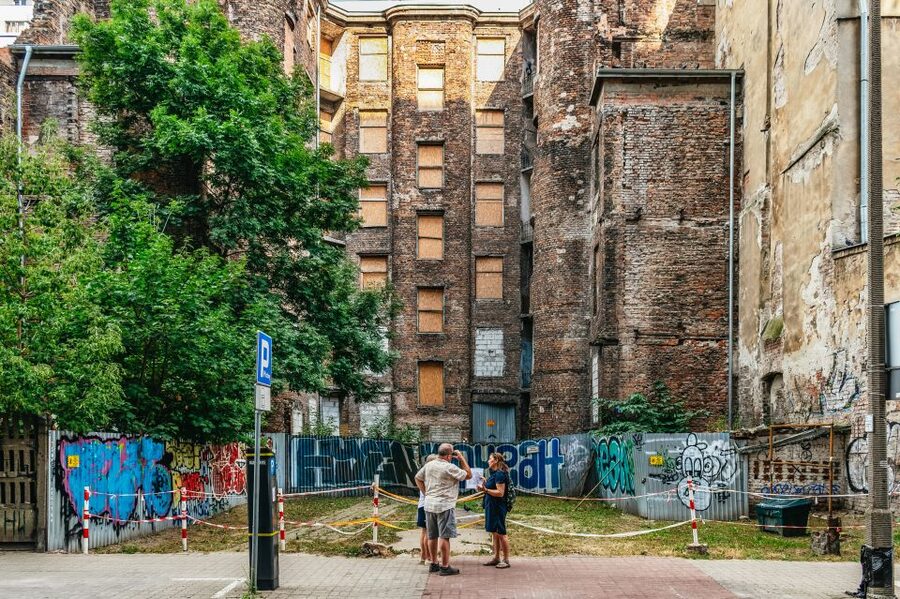
The most striking part of this Warsaw tour is how it connects ordinary streets with the forced world created inside the ghetto. You see the remains of the wall, the last preserved street, Mila 18, the Umschlagplatz, and the former footbridge over Chłodna Street while learning how people found food, dealt with disease, faced blackmail, and organized resistance.
I like the clear focus on daily life, rather than only dates and military events. I also like the route’s mix of physical remains and documentary evidence, especially the story of the Oneg Shabbat archive, hidden in metal cases and milk cans. The main consideration is that this is a sober, outdoor walking tour using public transport, not a relaxed sightseeing outing, and two hours only gives you an introduction to the subject.
Key points to know before you book
- Mila 18 connects the tour to the 1943 uprising, including the bunker site where resistance fighters made their last stand.
- The former Chłodna Street footbridge shows the ghetto’s sharp division, with a bridge once linking two sections above a street used by the rest of the city.
- The Oneg Shabbat archive gives the tour a human voice, preserving records of everyday life under Nazi rule.
- The route usually ends at the POLIN Museum, so you can continue with the core exhibition, which needs about 2.5 hours.
- The tour costs $76 per person and includes a licensed guide and headsets for groups of up to 20, but not public transport, food, or museum entrance.
- Children under 12 are not considered suitable, and you should be ready for difficult material.
Why this two-hour route matters
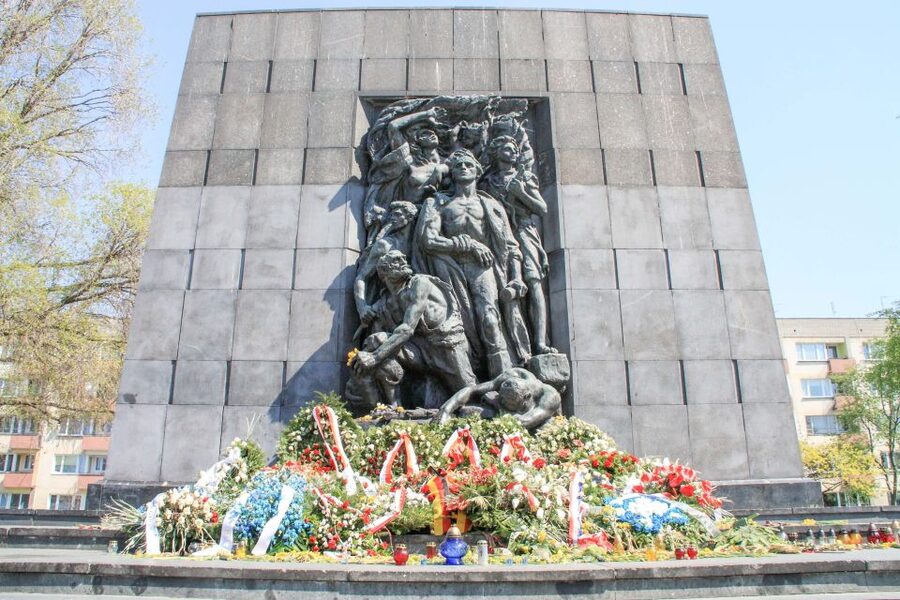
From 1940, the Nazis forced about 460,000 Jewish people from Warsaw and nearby areas into a space of roughly four square kilometers. Around 100,000 died there from hunger, exhaustion, and disease. More than 300,000 were deported to the Treblinka extermination camp.
Those numbers are essential, but numbers alone can make the ghetto feel distant. This tour tries to correct that problem by placing the story on real corners and streets. You learn where people lived, how movement was controlled, and how residents tried to solve daily problems under conditions designed to destroy them.
I value that approach. A tour of this kind works best when it explains not only what happened, but how the system affected food, work, family life, health, religion, communication, and trust. The guide also addresses destruction, indifference, blackmail, and resistance, so you get a fuller picture than a simple account of the uprising.
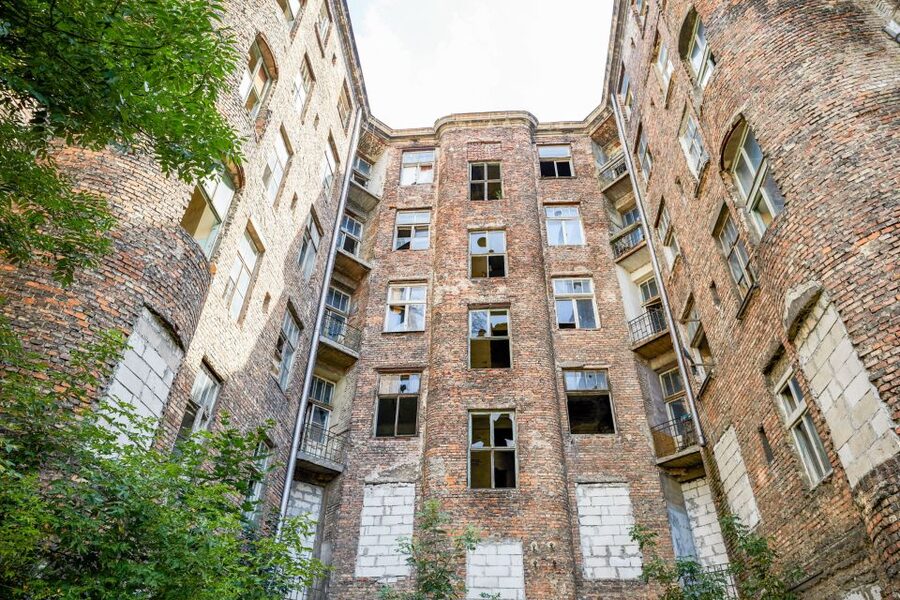
The ghetto was largely destroyed after the 1943 uprising, which means Warsaw offers few intact buildings from that period. That makes the guide’s explanation especially important. You are not walking through a preserved district. You are walking through a modern city where fragments, markers, memorials, and surviving traces point to what was erased.
Other Jewish-heritage walks around Warsaw:
- Warsaw: Warsaw Ghetto Private Walking Tour with Hotel Pickup
★ 4.9 · 369 reviews - Warsaw: Jewish History Guided Walking Tour in English
★ 4.7 · 324 reviews - Private Tour: Warsaw’s Jewish Heritage by Retro Fiat
★ 5.0 · 208 reviews
Seeing the last streets and the ghetto wall
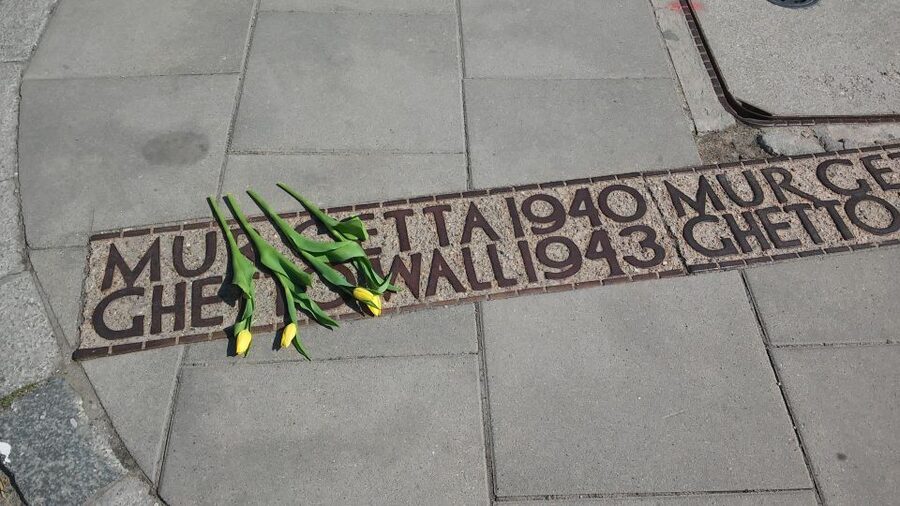
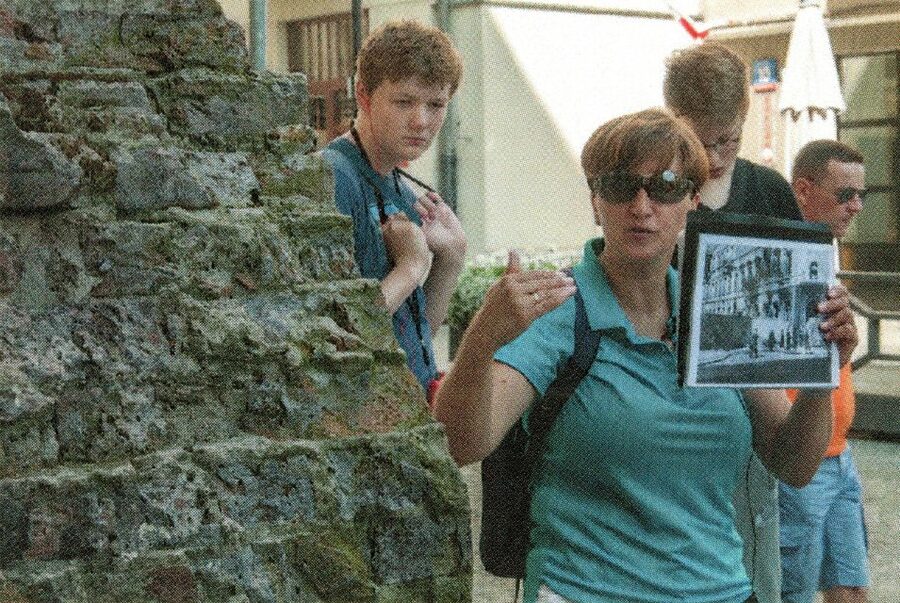
The route includes the last preserved street of the ghetto and remains of the ghetto wall. These are modest physical traces, but they help explain the scale and cruelty of the enclosure.
A wall can look like a static monument until you understand what it controlled. Here, the guide sets it within the larger story of overcrowding, disease, food shortages, and forced separation. The wall was not just a border. It shaped every journey to work, every attempt to find food, and every contact between people inside and outside.
This section of the tour is also a reminder to keep your expectations realistic. You will not find a complete old quarter waiting behind a gate. Much of the ghetto disappeared during and after the war. The value comes from learning how the surviving pieces fit into the former layout.
The outdoor setting also means sensible shoes matter. The tour lasts two hours and combines walking with public transport, so you should be comfortable moving through the city rather than expecting a seated museum visit.
Chłodna Street and the vanished footbridge
One of the route’s most memorable locations is the former footbridge over Chłodna Street. The bridge linked two parts of the ghetto while the street below remained in use, creating a strange and highly controlled division within the enclosed area.
This stop helps you picture the ghetto as an engineered system, not simply a walled neighborhood. Residents could be separated from one another even within the same district. The bridge became one of the best-known images associated with the Warsaw Ghetto because it showed the physical barriers and unequal movement so clearly.
Today, the footbridge is gone. That absence is part of the lesson. Your guide has to reconstruct the scene through explanation and historical context rather than through a preserved structure.
I find this kind of stop useful because it turns an abstract map into a problem of daily movement. You can consider what it meant to live under rules that controlled which streets you could use and how you could reach another part of your own community.
Mila 18 and the 1943 uprising
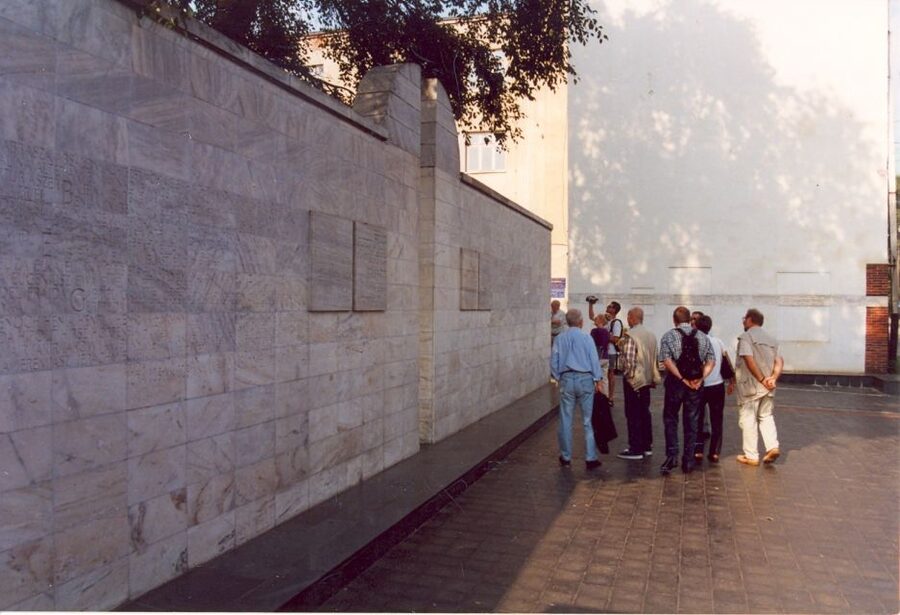
The stop at 18 Mila Street marks the bunker connected with the Warsaw Ghetto Uprising. In 1943, armed resistance began when the Nazis attempted to liquidate the ghetto completely. The uprising was crushed, and the area was laid waste in retaliation.
Mila 18 matters because it shifts the story from endurance to organized resistance. The tour explains why the uprising broke out and places it within the conditions that came before it. You hear about the destruction, fear, coercion, and resistance that shaped the final months of the ghetto.
This is not presented as a simple heroic tale. The wider story includes people trying to survive, people forced into terrible choices, and people who resisted through armed action, documentation, aid, or quiet acts of defiance. A good guide needs to handle those differences with care, and the highly praised guide Marzena is specifically noted for giving clear, detailed explanations and answering questions directly.
Mila 18 is also a place where you should pause. The physical remains are limited, so the meaning comes from understanding what happened there and why this location remains central to Warsaw’s memory of the uprising.
A few more things to do in Warsaw worth a look
- Warsaw: 2-Hour Guided Segway Tour
★ 4.8 · 34 reviews - Warsaw: 2-Hour Chopin’s Life Walking Tour
★ 5.0 · 19 reviews - Warsaw: 2-Hour Praga Walking Tour
★ 4.5 · 18 reviews - Warsaw: 2-Hour Old Town Walking Tour
★ 5.0 · 17 reviews
The surviving synagogue and the story of Oneg Shabbat
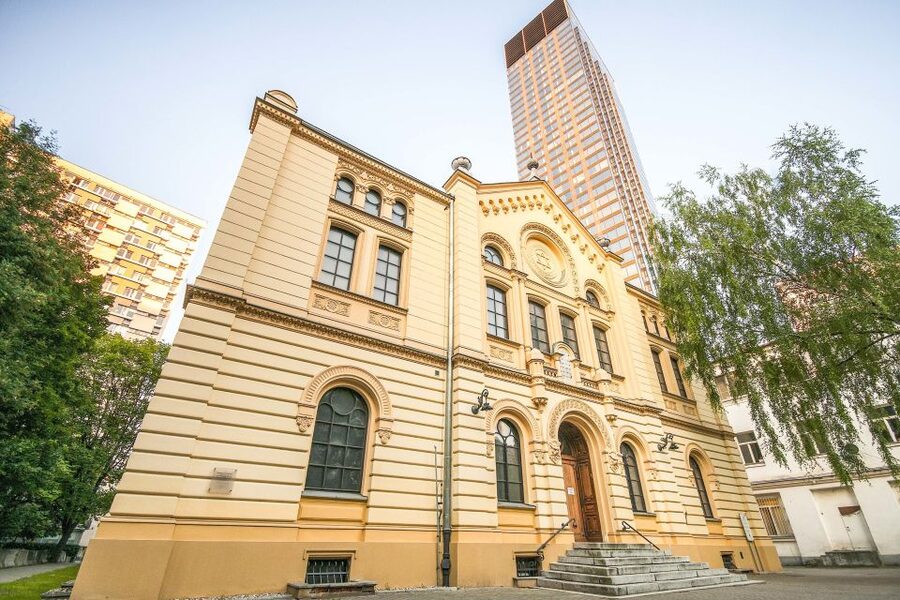
The tour includes a look at the only synagogue that survived the war. The stop adds a religious and cultural dimension to the route, reminding you that the ghetto was not only a site of persecution. It was also home to a Jewish community with traditions, institutions, families, and a public life that the Nazis tried to destroy.
You also learn about Oneg Shabbat, the secret organization that documented life in the ghetto. Its members gathered accounts, reports, documents, and other records while the destruction was still taking place. The archive was hidden in metal cases and milk cans, survived the war, and is now included in UNESCO’s Memory of the World register.
This may be the most important intellectual part of the tour. The archive helps preserve voices and details that might otherwise have been lost. It records more than the actions of the Nazi authorities. It also shows how people inside the ghetto understood their own lives and tried to leave evidence for the future.
I like that the tour includes this material alongside the street locations. The wall and bunker show physical control and resistance. Oneg Shabbat shows the struggle to preserve truth.
Umschlagplatz and the cost of deportation
At the Umschlagplatz, you learn about the location from which Jewish people were deported to extermination camps, including Treblinka. The site is central to understanding how the ghetto moved from imprisonment and starvation toward mass deportation and murder.
This stop can be difficult because it represents people being gathered and sent away under force. The guide connects it to the larger process rather than treating it as an isolated memorial. You learn how the ghetto’s population was reduced and why the deportations remain central to the story of Warsaw’s Jewish community.
The stop also gives the tour a strong chronological shape. Early sections explain the creation and daily operation of the ghetto. Mila 18 covers armed resistance. Umschlagplatz shows the machinery of deportation and the scale of the loss.
Expect the guide to discuss painful subjects plainly. This is one reason the experience is not recommended for children under 12. It suits adults and older teenagers who can engage with difficult material respectfully.
Connecting the route with The Pianist
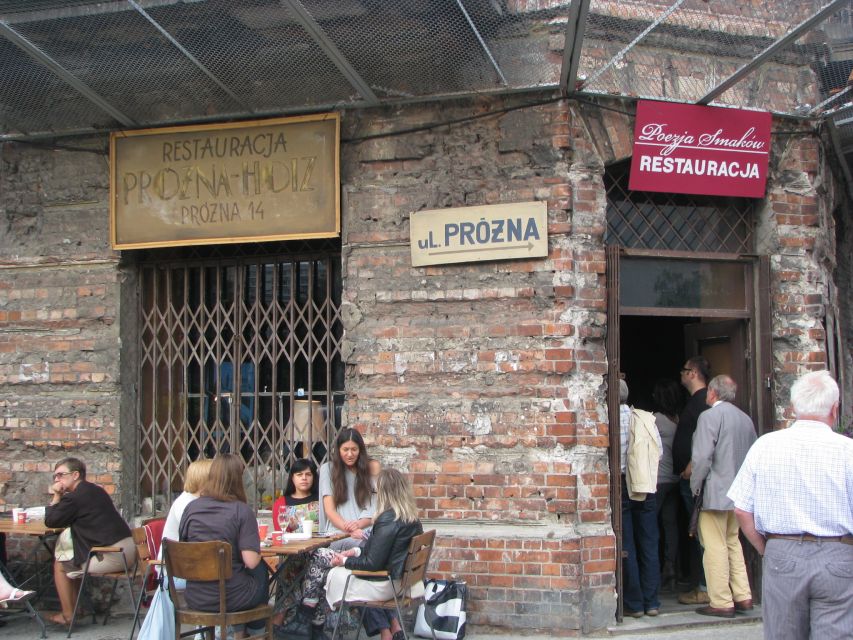
The tour visits places connected with the main character of Roman Polanski’s The Pianist. These locations give you another way to understand how the film’s personal story fits into the wider history of the ghetto and wartime Warsaw.
If you have seen the film, you may find these stops especially useful because the guide separates cinematic memory from the historical places themselves. The tour does not rely on the film alone. Instead, it uses the connection to help place one person’s experience within the much larger story of forced confinement, survival, and destruction.
If you have not seen The Pianist, you can still follow the tour without a problem. The main subject is the ghetto and the people who lived there, not film trivia.
Finishing at the POLIN Museum
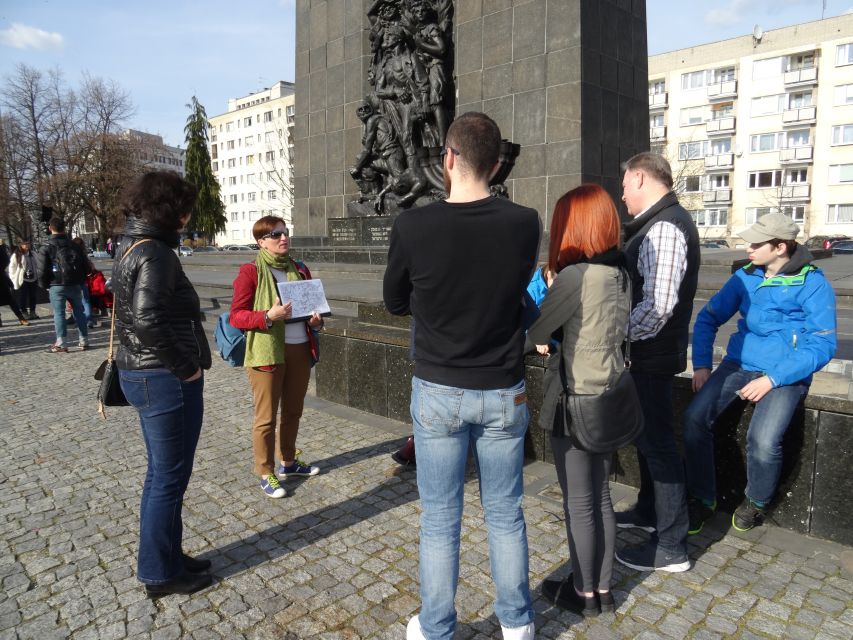
The tour usually ends at the Museum of the History of Polish Jews, commonly known as POLIN. During the route, entrance to sites or a guided visit to the Jewish Museum may be offered, but entrance fees are not included in the tour price.
You should plan your museum visit separately. The core exhibition needs at least 2.5 hours, which is longer than the walking tour itself. The museum is open from 10 a.m. to 6 p.m. on Monday, Wednesday, Thursday, Friday, and Sunday, with last entrance at 4 p.m. On Saturday, it is open until 8 p.m., with last entrance at 6 p.m. It is closed Tuesday.
Audio guides are available in English and other languages. I recommend treating the two-hour tour as an introduction and the museum as the place for a longer, organized look at Jewish life in Poland before, during, and after the war.
Check the museum hours before booking your tour time. If the tour ends after the last entrance, you will need to return another day. This is one of the most useful planning points in the entire experience.
Guide quality, language, and group size
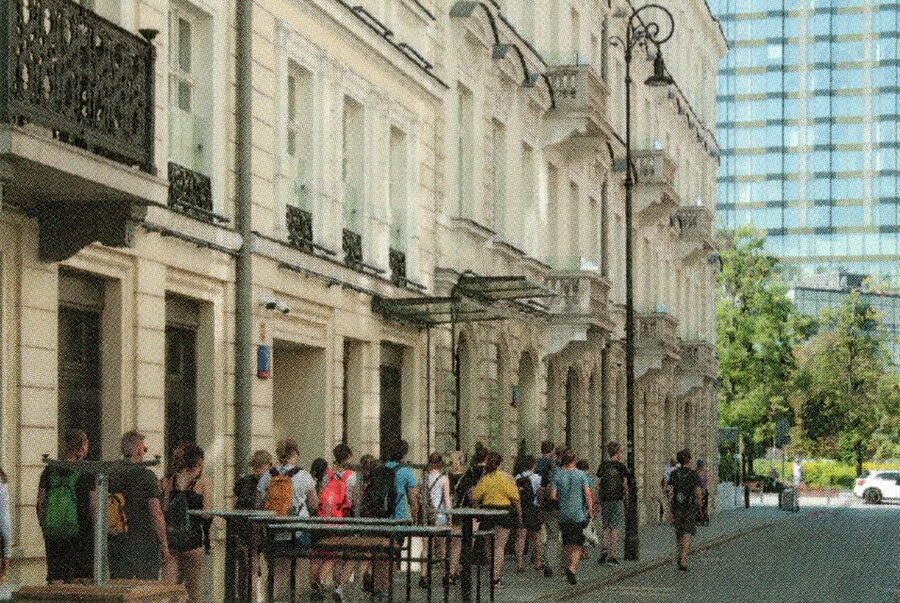
The tour is led by a licensed guide in English or German. Marzena receives especially strong praise for her warm manner, professional approach, detailed explanations, and willingness to answer questions. Those qualities matter here because the subject is complex and the physical remains are limited.
Headsets are included for groups of up to 20 people. That should make it easier to follow the guide outdoors and near city traffic. The exact group size is not stated beyond the headset provision, so do not assume you are booking a private tour.
The tour has also worked well for people who want to ask questions. Clear answers are valuable when a location raises several issues at once, such as the footbridge, the ghetto’s division, or the difference between daily survival and organized resistance.
English and German are the stated tour languages. If you need another language, confirm availability before you book.
Is $76 a fair price?
At $76 per person, this is not the cheapest way to see the former ghetto area. The price includes a licensed guide and headsets, but you pay separately for public transport, museum entrance, and lunch.
I think the value depends on how much context you want. You can walk between memorials on your own, but the ghetto was destroyed and rebuilt, so the route is not always self-explanatory. The guide’s interpretation is the main product. You are paying for the links between scattered locations, the explanation of daily life, and the introduction to Oneg Shabbat and the uprising.
The tour is also short. Two hours is enough for a focused orientation, but not enough for a full museum visit or a slow look at every memorial. If you want an efficient introduction before visiting POLIN, the cost is easier to justify. If you prefer to study the subject at your own pace, you may want to compare the guided tour with a museum ticket and audio guide.
Free cancellation up to 24 hours before the start and reserve-now, pay-later booking make it easier to fit into a changing Warsaw schedule.
Who should book this Warsaw Ghetto tour?
Book it if you want a serious, focused introduction with real locations rather than a general city walk. It suits adults, older teenagers, students of wartime history, and anyone planning to visit POLIN but wanting geographic context first.
It is especially useful if you want a guide who can explain difficult subjects in plain language and respond to questions. Marzena’s calm, detailed approach is a strong reason to consider the tour when she is available.
Skip it if you want light entertainment, a short photo stop, or a route centered on intact historic buildings. Much of the ghetto has vanished, and the subject is painful. You should also skip it if you have only enough time for a quick outdoor walk and cannot spare time for public transport.
For most visitors with a serious interest in Warsaw’s wartime past, I would book the tour and reserve another 2.5 hours for POLIN. That combination gives you the street-level setting first, then the broader museum account.
FAQ
How long is the Warsaw Ghetto tour?
The tour lasts two hours.
What languages are available?
The live tour guide speaks English or German.
How much does the tour cost?
The listed price is $76 per person.
What is included in the price?
A licensed tour guide is included. Headsets are provided for groups of up to 20 people.
Are museum entrance fees included?
No. Entrance fees are not included.
Does the tour use public transport?
Yes. The tour combines walking with public transport, and public transport tickets are not included.
Where does the tour usually finish?
The tour usually ends at the POLIN Museum, the Museum of the History of Polish Jews.
How much time should I allow for the POLIN Museum?
At least 2.5 hours is recommended for the core exhibition.
Is the museum open every day?
No. The museum is closed Tuesday. It is open Monday, Wednesday, Thursday, Friday, and Sunday from 10 a.m. to 6 p.m., and Saturday from 10 a.m. to 8 p.m. Last entrance is at 4 p.m. on most open days and 6 p.m. Saturday.
Is the tour suitable for children?
The tour is not considered suitable for children under 12.
Can I cancel the booking?
Yes. You can cancel up to 24 hours in advance for a full refund. You can also reserve now and pay later.
Just added in Warsaw
- Warsaw Zoo Skip-the-Line Entry Ticket with Private Transport★ 4.8 · 3 reviews
- Warsaw Private Wilanow Palace & Garden Tour★ 4.6 · 30 reviews
- Warsaw: Vodka Tour★ 4.4 · 18 reviews
- Warsaw Wolf’s Lair with St. Lipka and Mamerki Private Guided★ 4.2 · 3 reviews
- Warsaw Uprising and WWII Old Town Walking Tour with Museum★ 4.7 · 15 reviews
- Warsaw Old Town UNESCO HERITAGE walking tour in English★ 4.5 · 23 reviews
- Warsaw: Private Vodka Tasting Night with Snacks and Pickup★ 5.0 · 7 reviews
- Warsaw: Skip-the-Line Royal Castle Guided Tour★ 4.9 · 79 reviews
Jewish Quarter & Ghetto Tours, compared.

Bike Tour of Old Town, Jewish Quarter and the Ghetto
Read the review →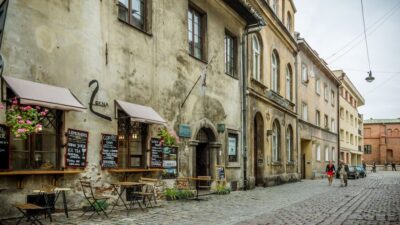
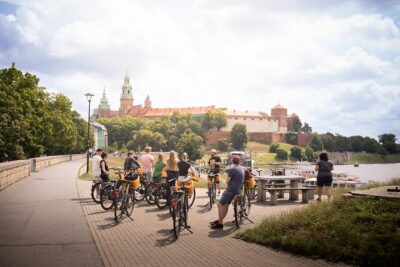
Full Bike Tour – the Old Town, Jewish Qtr & the Ghetto NEW BIKES
Read the review →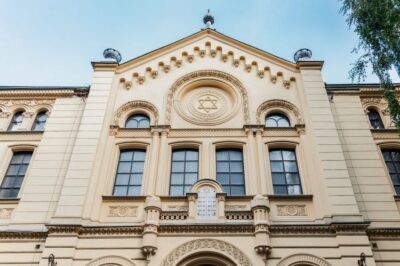
Warsaw Ghetto Private Walking Tour with Hotel Pickup
Read the review →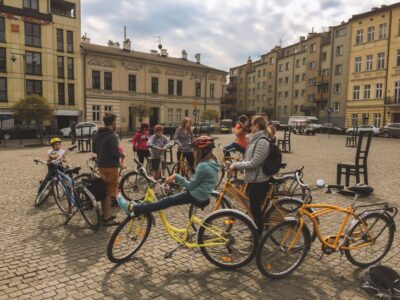
Bike Tour of the Old Town, Kazimierz, and the Ghetto
Read the review →
Browse the lists this tour appears in