
Reviewed · JEWISH QUARTER & GHETTO TOURS
Galicja Jewish Museum
The Galicia Jewish Museum uses more than 140 photographs to tell a difficult story: Jewish life in southern Poland, its destruction during World War II, and the traces left behind. I like that the museum lets you move at your own pace, and I like the way its photographs connect local places with the wider story of Jewish culture in Poland. There is no guided tour included, so you need to be comfortable reading and reflecting independently.
I also like the museum’s manageable price, about $4.33 per person, and its place in Kraków’s Jewish district, where the subject feels close at hand. The main limitation is that this is primarily a photography museum, not a collection of historic objects, so visitors hoping for many artifacts may find the presentation less tangible.
Key points to know before you go
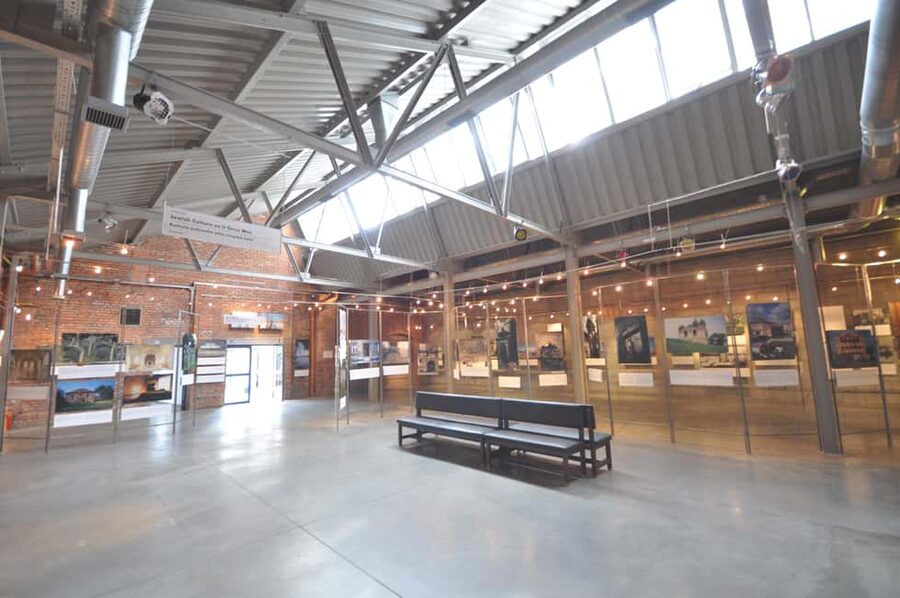
- 140-plus photographs: The permanent Traces of Memory exhibition records Jewish sites and remnants across former Galicia.
- A self-paced visit: You can walk through the displays at your own speed, with no fixed tour schedule stated.
- About two hours works well: One careful visit can take roughly two hours, especially if you read the captions and background text.
- A serious Holocaust memorial: The museum honors victims while also presenting Jewish culture as a living part of Poland’s past.
- More than a museum: You will find a cafe, bookshop, temporary exhibitions, concerts, talks, and workshops.
- Easy value with the city card: Kraków City Card holders enter free, while the regular admission is low-cost.
Why the Galicia Jewish Museum matters
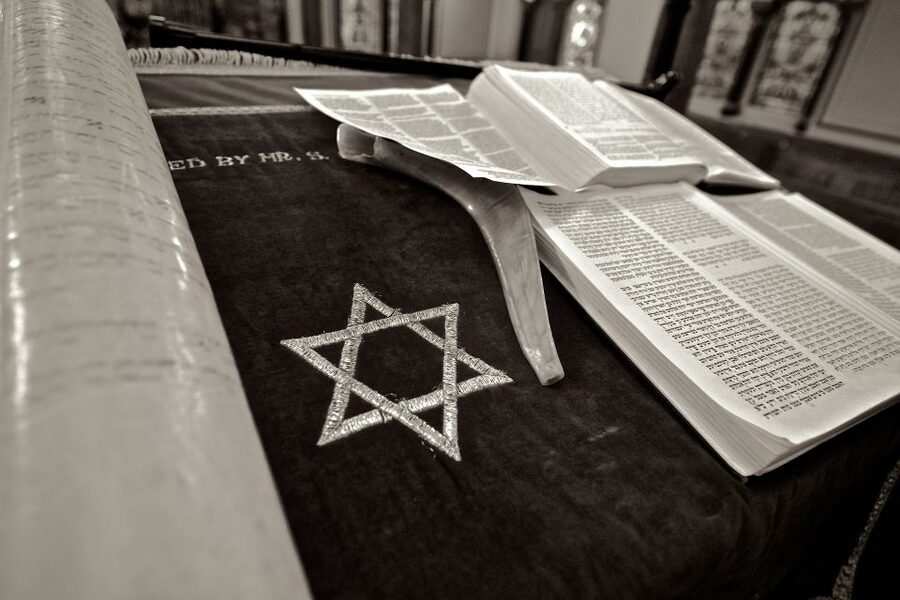
The Galicia Jewish Museum was created to honor the victims of the Holocaust and to celebrate the Jewish culture of Polish Galicia. That pairing matters. The museum does not present Jewish life only through the lens of its destruction. It also shows the communities, traditions, buildings, and memories that existed for centuries before the Nazi occupation.
The permanent exhibition, Traces of Memory, grew from twelve years of artistic work by Chris Schwarz, a British photographer and the museum’s founder. His photographs record remnants of Jewish life in southern Poland, the region once known as Galicia.
You will see images connected to former synagogues, cemeteries, memorials, and other signs of Jewish presence. The photographs also document the process by which that culture was damaged and destroyed during World War II. The result is not a simple timeline. It is a visual record that asks you to look carefully at what remains, what has disappeared, and how memory is preserved.
The museum is often described as the second-largest museum devoted to Jewish history. More important for your visit, it is a focused museum rather than a huge national institution. You can take in the central exhibition without spending an entire day, yet there is enough text and visual detail to reward a slow visit.
Other Jewish-heritage walks around Kraków:
- Krakow: Schindler’s Factory & Ghetto Guided Tour
★ 4.7 · 1,694 reviews - Krakow: Jewish Quarter and Former Ghetto Tour
★ 4.9 · 1,441 reviews - Krakow: Bike Tour of Old Town, Jewish Quarter and the Ghetto
★ 4.9 · 1,155 reviews
Entering Traces of Memory
The permanent exhibition is the heart of the visit. You will encounter photographs arranged to show both Jewish life and the physical traces left after the Holocaust. The displays are built around images, so the museum asks you to observe rather than simply move from case to case.
That approach gives the visit a quiet rhythm. Instead of rushing through a long list of objects, you can stop at a photograph and consider the place, the people, and the history behind it. The pictures provide a look at Jewish communities in Kraków and across southern Poland, not just a narrow account of one city.
I would allow at least an hour for the permanent exhibition, and closer to two hours if you want to read the information carefully. A visitor who arrived at opening time and spent about two hours found the museum especially easy to contemplate while it was fairly empty. That is useful advice: an early visit may give you more quiet time with the photographs.
The exhibition can feel heavy. That is not a flaw, but you should plan your day with some space afterward. This is a place for attention and thought, not a quick stop between shopping and lunch.
Photographs instead of a large object collection
The museum’s greatest strength is also its clearest limitation. The photographs give you a direct visual record of Jewish heritage in Galicia, but you will not find a large collection of everyday objects, clothing, ritual items, or archaeological material.
If you prefer museums built around artifacts, this may feel spare. The displays rely on images, captions, and historical context. One visitor described the museum as having more photographs than actual artifacts, while also finding that the pictures offered an excellent look at Jewish life and the Jewish community.
I think the photography-centered format works best when you treat each picture as evidence of a real place rather than as decoration. A cemetery wall, a neglected building, or a restored memorial can tell you something about survival, loss, and the way communities remember their past.
This also makes the museum a useful companion to other Kraków sites connected with Jewish history. It gives you a broader view of Galicia, while other museums and historic locations may focus more narrowly on wartime events, individual families, or objects.
Jewish life before and after World War II
A major value of the museum is its balance between culture and catastrophe. You learn that Jewish life in Poland was not limited to the years immediately before the Holocaust. The exhibition points back to an 800-year presence in Poland, then shows how Nazi persecution destroyed much of that world.
The historical weight comes from seeing those two parts together. Jewish heritage is not presented only as something that ended. The photographs show remains, memory, and the effort to recognize what once stood in these communities.
You may find the moving images and wartime material especially difficult. The museum includes pictures showing Jews during World War II, adding a human dimension to the written history. The material is presented for remembrance, not entertainment, so keep that in mind if you are visiting with children or anyone who may need a gentler museum experience.
The museum does not replace a full course in Polish or Jewish history. Instead, it gives you a strong visual introduction and points toward questions you can explore elsewhere in Kraków or through the museum’s bookshop.
A few more things to do in Kraków worth a look
- Auschwitz-Birkenau Museum and Memorial Guided Tour from Krakow
★ 4.5 · 1,510 reviews - Krakow: Rynek Underground Museum Guided Tour
★ 4.6 · 1,122 reviews - Krakow Schindler’s Factory Museum Guided Tour in English
★ 4.5 · 650 reviews - Krakow: Auschwitz Birkenau Museum Guided Tour with Pickup
★ 3.6 · 544 reviews
A quiet visit that works best at your own pace
No guide is named or included for this experience, and the information provided describes admission rather than a guided tour. That makes this a good choice if you like to set your own speed, pause when something catches your attention, and spend less time on sections that are not as relevant to you.
The self-paced format also avoids a common museum problem: being pulled away from an important display because a group has moved on. You can read, stop, and return to a photograph without keeping up with anyone else.
The trade-off is that you will need to supply your own focus. If you want a specialist to explain the history of Galicia, answer questions, or lead a discussion, check whether the museum is offering a lecture, workshop, or other event during your visit. The museum hosts meetings with authors, concerts, lectures, and workshops, but these are separate cultural activities rather than part of the basic admission described here.
The cafe can make the museum easier to fit into a longer visit. The bookshop is also useful if you want to continue reading about Jewish life, the Holocaust, Jewish thought, identity, and literature. Books are available in Polish, English, and German.
How long to stay and when to arrive
The ticket is valid for one to two days, with starting times shown when you check availability. That wording does not mean you should expect a guided program lasting two full days. It refers to the period in which the admission can be used, so check the selected option and the current museum hours before setting out.
For the museum itself, plan on around two hours if you want a thoughtful visit. You can move faster, but the photographs reward time. Reading the captions and background material is part of the experience, not an optional extra.
Arriving at opening time is a sensible choice. The museum can be fairly empty then, which makes it easier to concentrate. It also gives you a better chance of having a quiet visit before combining the museum with other Kraków sights.
The last entrance is 90 minutes before closing. Opening hours can change, so confirm them close to your visit rather than relying only on the hours shown when you first book.
What the low price includes
At about $4.33 per person, the regular admission is inexpensive for Kraków. The value is strongest if you take your time with the permanent exhibition and use the museum as part of a wider day focused on Kazimierz and Jewish heritage.
The ticket gives you access to the museum experience described here, but transportation is not included. You will make your own way there, and the meeting point can vary depending on the option booked.
If you hold the Kraków City Card, entrance to the Galicia Jewish Museum is free. The card also covers many other Kraków museums and landmarks for one to three days, including Schindler’s Factory, the Rynek Underground Museum, the Old Synagogue, the Eagle Pharmacy, MOCAK, the Town Hall Tower, and the Princes Czartoryski Museum.
That can change the calculation. If you already plan to visit several of those places, the city card may offer better overall value than buying each admission separately. If this is your only museum visit, the low standalone price is still easy to justify.
Practical ticket details
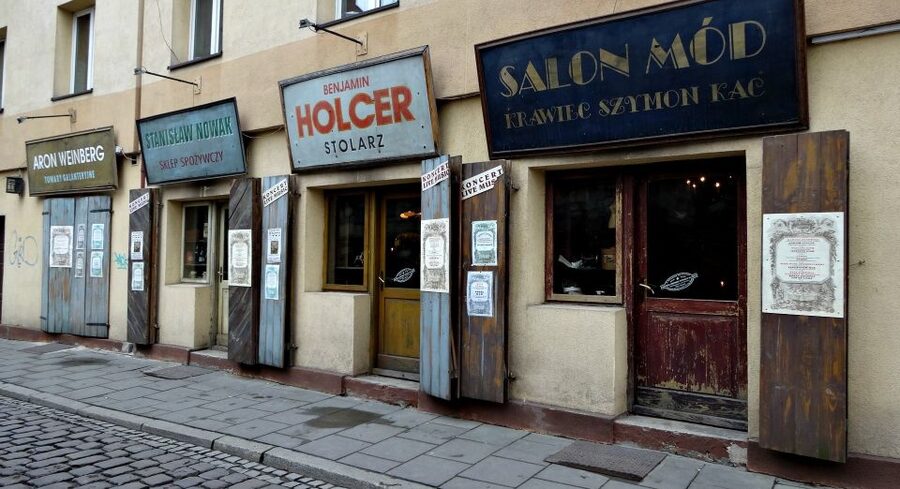
A separate ticket is sent by email after booking. Only a printed version is accepted, so do not assume that showing the email on your phone will be enough.
If you cannot print at home or at your hotel, printing is available at Plac Szczepański 8. I would handle this before heading to the museum, since a printing problem at the entrance is an avoidable nuisance.
Smoking is not allowed. The activity ends back at the meeting point, although no transportation is included. You can cancel up to 24 hours in advance for a full refund, according to the booking terms.
The museum’s opening hours may differ from those shown on the booking page because of changing circumstances. Check again on the day before your visit, particularly if you are planning to arrive near opening or late in the afternoon.
Who will appreciate this museum most
I would recommend the Galicia Jewish Museum to anyone who wants a thoughtful introduction to Jewish life in Kraków and southern Poland. It suits independent visitors, photography lovers, history students, and anyone who prefers a quiet museum where you can stop and reflect.
It is also a good choice if you have already visited more object-based museums and want another way to approach the subject. The photographs give you a wider regional view and connect Jewish heritage with actual places in former Galicia.
Families should consider the serious subject matter and the reading required. Older children and teenagers who are ready for Holocaust history may find the visual approach meaningful, but this is not a light or entertainment-focused stop.
You may want to choose another museum first if you need a broad introduction to Polish history, a large display of artifacts, or a guided explanation in real time. The Galicia Jewish Museum is focused, visual, and reflective.
Should you book the Galicia Jewish Museum?
Yes, if you want a low-cost, self-paced visit that gives Jewish history in Poland a strong human and visual focus. The 140-plus photographs, the 800-year historical frame, and the attention to both Jewish culture and Holocaust destruction make this more than a quick collection of images.
Book it with realistic expectations. You are paying for a photography-led museum, not a large artifact collection or a guided tour. Print the separate ticket, arrive early if you want the quietest atmosphere, and allow about two hours.
The museum is especially good value for Kraków City Card holders, who enter free. For everyone else, the modest admission makes it an easy choice for a serious and worthwhile part of your Kraków day.
FAQ
How much does admission to the Galicia Jewish Museum cost?
The listed price is about $4.33 per person. Kraków City Card holders enter free of charge.
How long is the museum ticket valid?
The activity is listed as valid for one to two days. Check availability for the exact starting times and selected option.
How long should I plan for the museum visit?
Allow about two hours if you want time to study the photographs and read the information carefully. You can make the visit shorter if you move quickly.
Is transportation included?
No. Transportation is not included, and you make your own way to the museum.
Do I need to print my ticket?
Yes. A separate ticket is sent by email after booking, and only a printed version is accepted. If you cannot print it elsewhere, you can print it at Plac Szczepański 8.
Can I enter with a Kraków City Card?
Yes. Entrance to the Galicia Jewish Museum is free for Kraków City Card holders.
How late can I enter the museum?
Last entrance is 90 minutes before closing. Opening hours may change, so check the current hours before your visit.
Just added in Kraków
- Wawel Castle, Old Town with St. Mary’s Church Guided Tour★ 5.0 · 3 reviews
- Wawel Castle, Old Town with St. Mary’s Church Guided Tour★ 5.0 · 5 reviews
- Wawel Castle, Cathedral, Old Town and St. Mary’s Basilica★ 4.8 · 13 reviews
- Wawel Castle, Cathedral, & Rynek Underground Tour with Lunch★ 4.5 · 10 reviews
- Wawel Castle & Cathedral Skip the Line Small Group Tour★ 5.0 · 3 reviews
- Wawel Castle and Cathedral Guided Tour★ 4.6 · 44 reviews
- Wawel Castle, Cathedral, Rynek Underground Tour with Lunch★ 5.0 · 3 reviews
- Wawel Castle and Cathedral Guided Tour★ 5.0 · 8 reviews
Jewish Quarter & Ghetto Tours, compared.
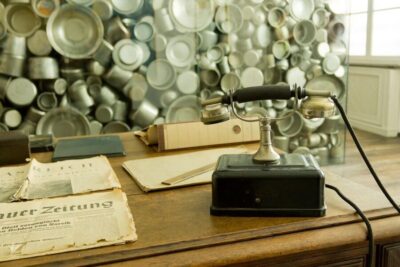
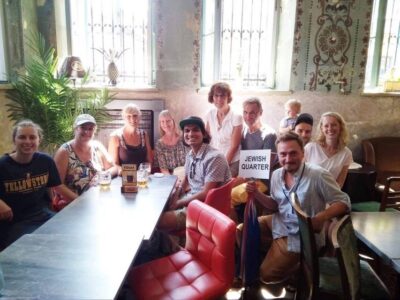
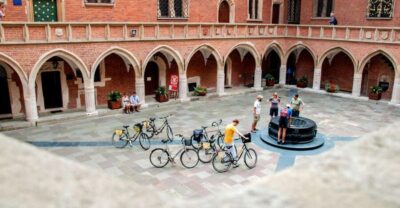
Bike Tour of Old Town, Jewish Quarter and the Ghetto
Read the review →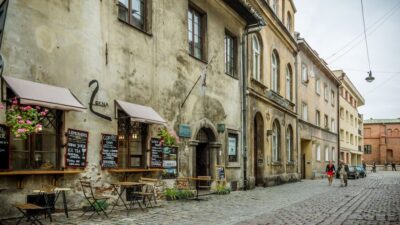
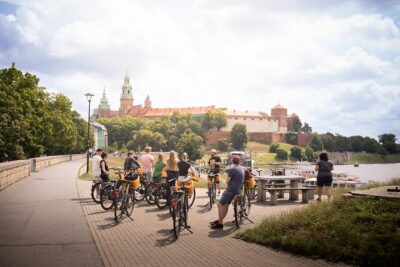
Full Bike Tour – the Old Town, Jewish Qtr & the Ghetto NEW BIKES
Read the review →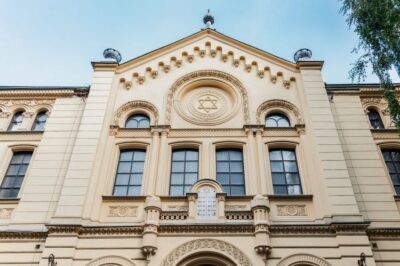
Warsaw Ghetto Private Walking Tour with Hotel Pickup
Read the review →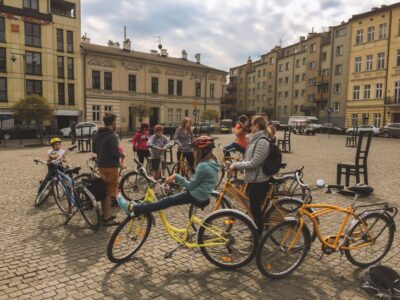
Bike Tour of the Old Town, Kazimierz, and the Ghetto
Read the review →
Browse the lists this tour appears in