
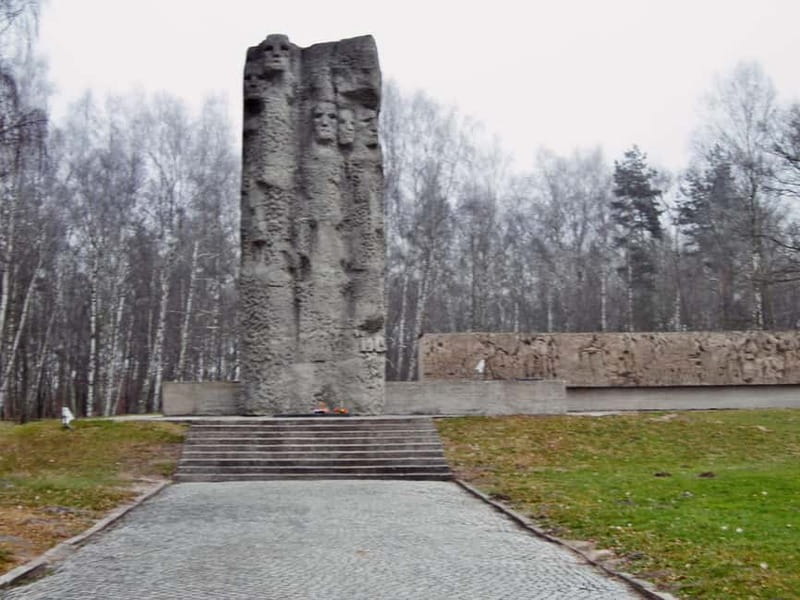
Reviewed · WWII MEMORIAL & CAMP TOURS
From Gdansk: Stutthof Concentration Camp Museum Day Tour
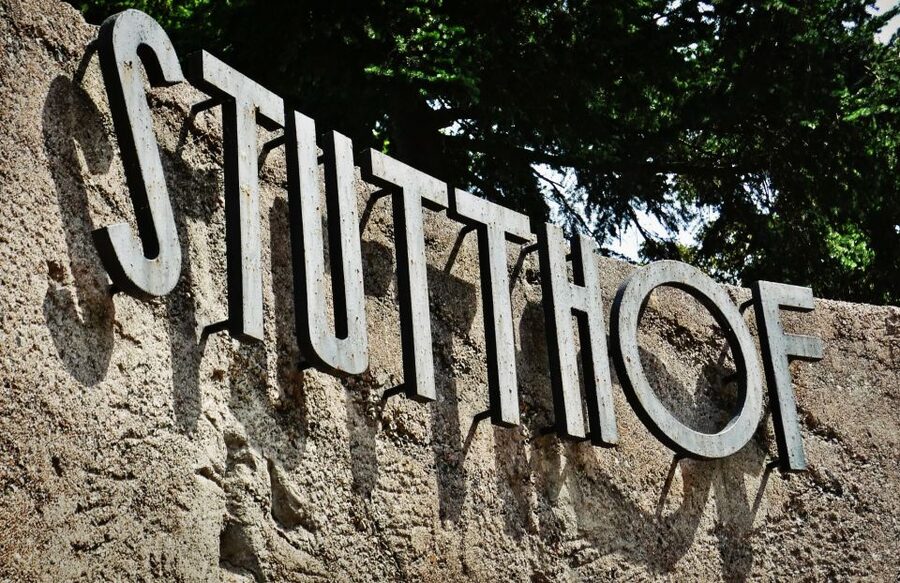
Stutthof is not a sightseeing stop in the usual sense. It is a place of remembrance, with the gas chamber, crematorium, barracks, and guard tower making the Nazi camp system painfully concrete. A private trip from Gdansk gives you time to focus, ask questions, and hear the story in your chosen language.
I like the hotel pickup and drop-off, which removes the hassle of reaching this out-of-town site, and I like that the $68 price includes transport, admission, and a live guide. The main consideration is the four-hour duration: it is sold as a major excursion, but it is not a full-day outing in practical terms.
Key points to know before booking
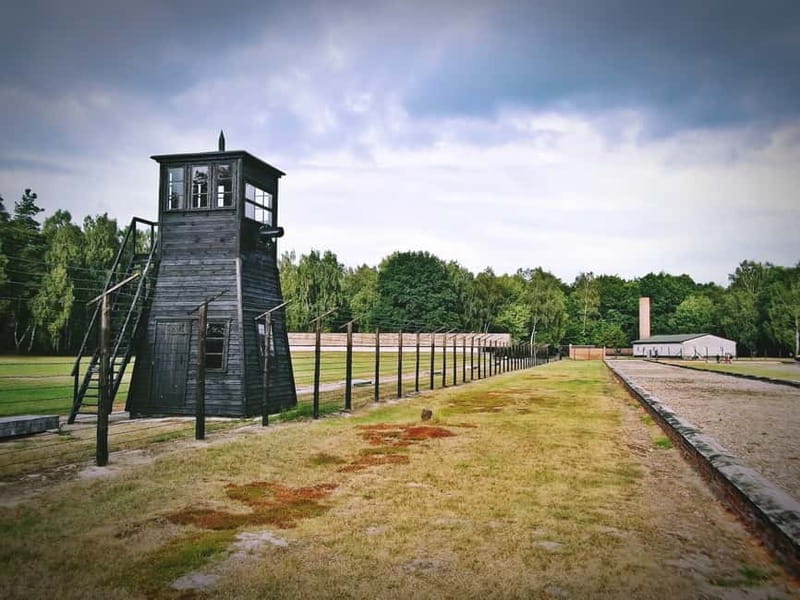
- Stutthof was the first Nazi concentration camp built in Poland in 1939.
- The visit includes the gas chamber, crematorium, prisoner barracks, and guard tower.
- Hotel pickup, return transport, museum admission, and a guide are included in the price.
- The private format lets you book one of eight listed languages for your group.
- The tour lasts four hours and is not suitable for children under 12.
- The site was liberated by the Soviet Army in 1945, making its wartime timeline especially important.
Why Stutthof matters beyond a day trip from Gdansk
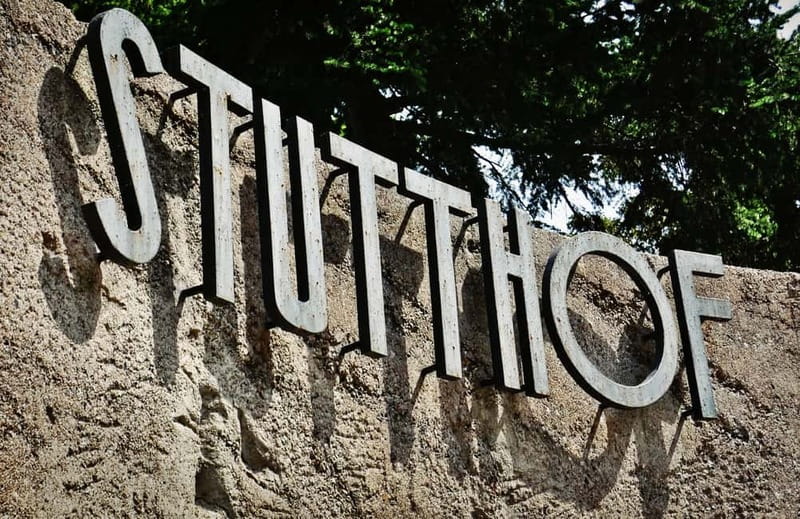
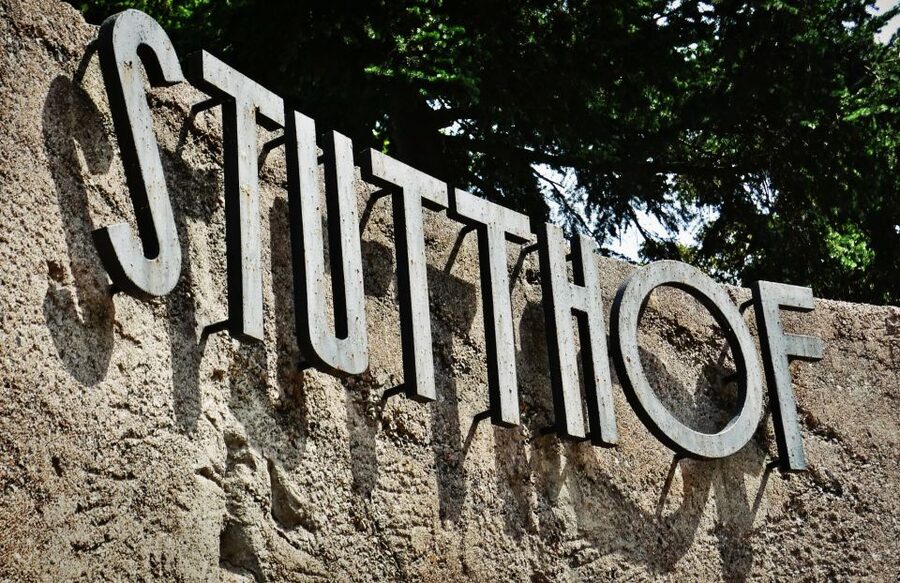
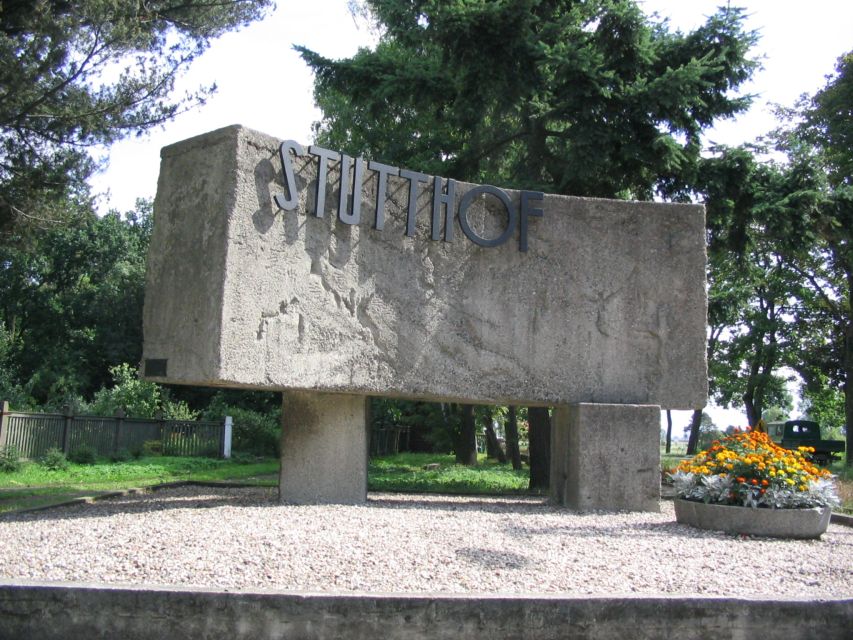
Stutthof lies about 25 miles, or 40 kilometers, from Gdansk, near the small town of Sztutowo. The camp was built by the Nazis in 1939, during the occupation of Poland, and was the first concentration camp established in Poland.
Its setting was deliberately isolated, in a wet, wooded area away from the city. That distance matters. You leave the busy streets of Gdansk and reach a place designed to separate prisoners from the outside world.
As you walk through the museum site, the numbers are difficult to grasp. Up to 110,000 people were deported to Stutthof, and about 85,000 were victims of genocide. The buildings and objects help turn those figures into something more understandable, though no museum can fully express the scale of the crime.
I think this is one of the strongest reasons to visit with a guide. A gas chamber or empty barracks can seem stark and silent on their own. A guide can explain how the camp operated, who was imprisoned there, and how the site fits into the wider story of Nazi persecution during World War II.
This is a serious visit, not a casual add-on to a Gdansk itinerary. You should expect difficult subject matter and allow yourself time to pay attention. The experience is best approached as a memorial visit and an act of learning, not as entertainment.
Other wartime memorials reachable from Gdańsk:
- Gdansk: Guided Round-Trip Cruise to Westerplatte
★ 4.3 · 865 reviews - Gdansk: Stutthof Concentration Camp Regular Tour
★ 4.7 · 361 reviews - Stutthof Concentration Camp English Tour with Gdansk Hotel pickup
★ 4.5 · 73 reviews
Leaving Gdansk with hotel pickup included
The tour begins with pickup at your hotel. Your guide waits in the lobby with a sign showing your name, a small but useful detail that can save time and confusion, especially if your accommodation has several entrances or a busy reception area.
Transport is included in the $68 price, along with entrance to the Stutthof Museum. That bundled setup makes the trip easier than arranging the journey and admission separately, although the exact vehicle and road conditions are not provided.
The drive takes you out of Gdansk toward Sztutowo. The distance is modest, but Stutthof is far enough from the city that a car or organized transfer is the practical choice. I like the fact that the return to your hotel is also included. After a demanding visit, you do not need to work out another route back.
The tour is described as a full-day excursion in its general presentation, but the stated duration is four hours. Read that carefully when planning. Four hours can cover transport and a focused museum visit, but it does not leave room for a long extra stop or a leisurely day in the surrounding area.
Entering the camp and setting the historical frame
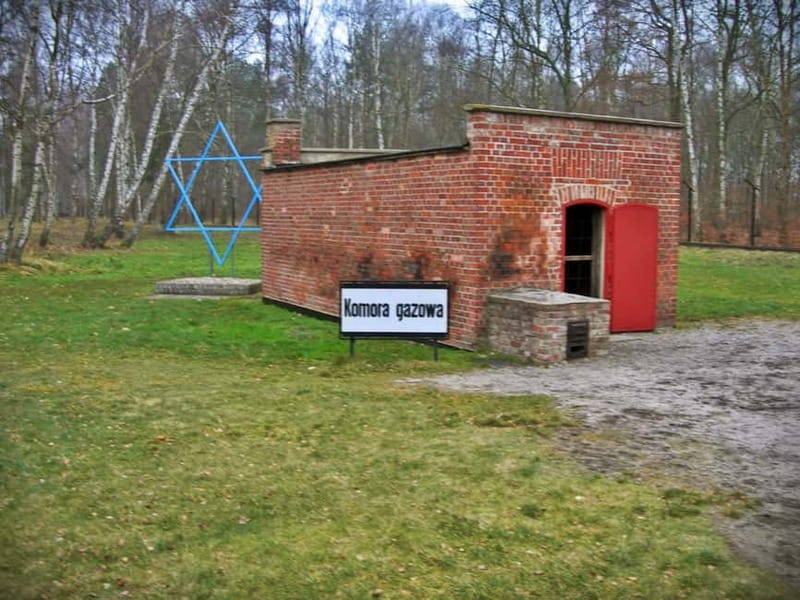
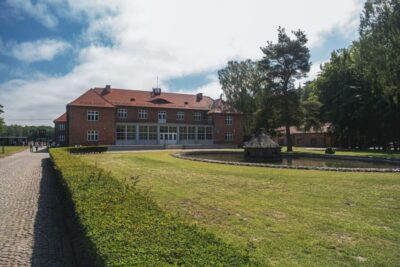
The visit begins with the camp itself, not a polished city museum or a short exhibit designed for quick viewing. Stutthof preserves physical reminders of imprisonment and mass murder, including the prisoner barracks, gas chamber, crematorium, and guard tower.
The guard tower helps you understand the controlled nature of the site. The barracks show where prisoners were held. The gas chamber and crematorium bring the camp’s killing system into direct view. These are not abstract references in a textbook. They are structures connected to the crimes committed here.
Your guide’s explanation is important because the buildings need context. Without it, you may see a sequence of rooms and structures without understanding their purpose or the order in which the camp developed. The live format lets you ask for clarification instead of trying to piece the story together from signs alone.
A private group can also make the tone more personal. You are not tied to the pace of a large public party, and your guide can respond to the level of detail your group needs. That does not mean the visit becomes light or comfortable. It means the information can be delivered with more attention to your group.
The prisoner barracks and the human scale of the camp
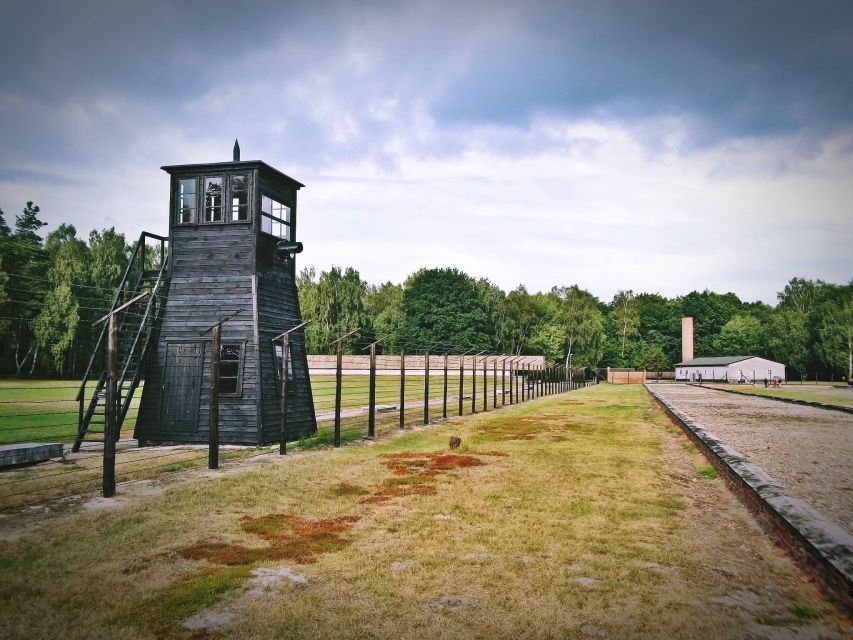
The barracks are among the most important parts of the visit because they show the living conditions imposed on prisoners. The supplied details do not specify every room or display, so I would not promise a particular interior arrangement. You can expect the barracks to form part of the museum route and to help explain daily life inside Stutthof.
This is where the huge totals become more personal. Numbers such as 110,000 deported and 85,000 murdered are essential, but the barracks remind you that each number represented an individual person forced into a system of hunger, fear, labor, and persecution.
A guide can connect the buildings to the people who lived there. The strongest part of a visit like this is often not a single object. It is the steady explanation of how the camp functioned and what prisoners faced during the Nazi occupation.
The experience is not suitable for children under 12. That restriction makes sense given the subject matter and the presence of the killing facilities. For older teenagers, the visit may be meaningful, but adults should decide if the topic suits the young people in their group.
A few more things to do in Gdańsk worth a look
- Gdansk: Private Communism Tour with Solidarity Center Museum
★ 5.0 · 28 reviews - Museum of the Second World War Gdansk Private Tour & Tickets
★ 5.0 · 24 reviews - Gdansk Private WWII Tour with Museum of the Second World War
★ 4.9 · 22 reviews - Gdansk Private Communism Tour with Solidarity Center Museum
★ 5.0 · 14 reviews
The gas chamber and crematorium
The gas chamber and crematorium are the most difficult stops on the route. They are also the places where the reality of Nazi mass murder is hardest to keep at a distance.
I would approach these areas slowly and listen closely to the guide. The purpose is not to collect dramatic photographs or rush through the buildings. It is to understand how the camp’s system of killing operated and to recognize the human cost behind the physical remains.
The supplied tour details do not promise a special exhibit, memorial ceremony, or particular set of survivor accounts, so you should book this for the preserved site and guided explanation rather than for a staged presentation. The power comes from the location itself and from the facts attached to it.
A guide can also help keep the visit historically precise. Stutthof was built in 1939 and was the last concentration camp to be liberated in 1945 by the Soviet Army. That timeline gives the visit a clear beginning and end, from the Nazi occupation of Poland to the camp’s liberation.
Understanding the liberation in 1945
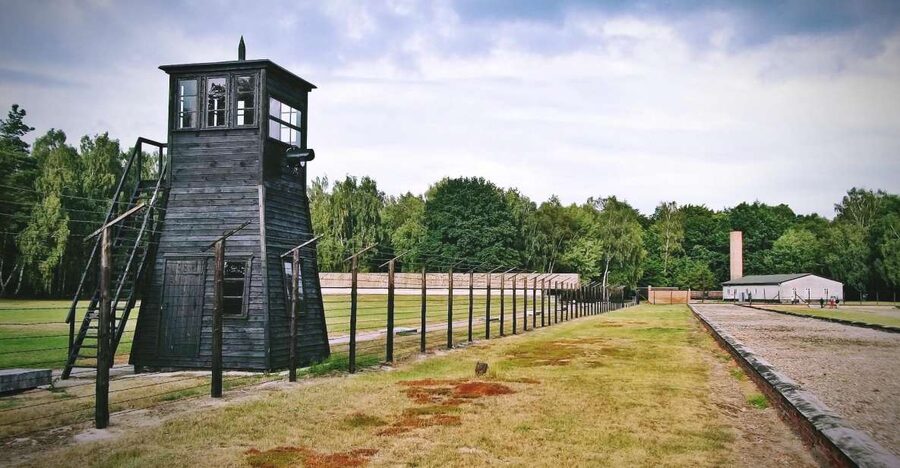
The Soviet Army liberated Stutthof in 1945. This is an important part of the visit because it completes the camp’s wartime story and helps place the site within the final stage of World War II.
The camp was not freed early in the war. It continued operating until the final months, meaning that prisoners endured years of Nazi rule before liberation arrived. A guide can explain that chronology while you move through the site, rather than leaving the liberation as a date with no setting.
I appreciate that the tour includes this point instead of focusing only on the most familiar images of the camp. The history of Stutthof includes its creation, its operation, the suffering of prisoners, the Nazi killing system, and the Soviet liberation. All of those parts matter.
The museum visit also gives you a chance to think about what liberation did and did not mean. Freedom from the camp did not erase the deaths, injuries, loss, and trauma caused there. The site exists to preserve that memory.
Choosing a guide language and using the private format
You must choose your language when booking. The listed options are Spanish, English, German, Polish, Russian, French, Italian, and Portuguese.
This is more important than it may sound. At a place where the meaning of a building depends heavily on explanation, a language mismatch can weaken the visit. One large school group specifically found that an English guide was capable but not ideal for everyone because some participants were not comfortable with English. Use the language choice seriously, especially if your group includes children, older relatives, or anyone who finds detailed English difficult.
The private group format is another clear benefit. It gives your party one shared guide rather than placing you into a fixed public group. It can also make questions easier, although the experience will still depend on the individual guide and your selected language.
Anna is one named guide connected with the tour. Her work was praised for clear, plentiful explanations and smooth pickup and return. You should not assume that Anna will be assigned to every departure, but her example shows the sort of guiding style available: detailed, friendly, and focused on the subject.
The guide is listed as multilingual, but that does not mean every departure offers every language at the same time. Select your preferred language before paying, and check that the option is available for your date.
Is $68 a fair price for four hours?
At $68 per person, the value depends on how much you want convenience and personal guidance. The fee includes hotel pickup and drop-off, entrance to the Stutthof Museum, and a live guide. Those inclusions make it easier to compare with a self-arranged visit.
You are not paying only for admission. You are also paying for the road transfer from Gdansk, return transport, and help making sense of a difficult memorial site. For a private group, that package can be worthwhile, especially if you do not want to navigate public transport or organize the visit yourself.
The drawback is time. Four hours is a compact schedule for a trip that includes travel in both directions and a museum visit. If you want to read every display at length or spend a quiet extended period at the site, you may find the pace tight.
Personal expenses are not included, so budget separately for anything outside the listed package. No other paid add-ons are specified in the supplied details.
Who should book this Stutthof visit?
I would choose this tour if you are staying in Gdansk and want the simplest way to visit Stutthof with historical explanation built in. It suits adults, older teenagers, small private groups, and families with children aged 12 or above who are prepared for the subject.
It is also a good fit if your group needs a language other than English. The eight listed languages give you a better chance of following the explanation fully, which matters far more here than it would on a light sightseeing tour.
I would think twice if you want a relaxed day with several attractions, meals, or scenic stops. This experience has one purpose: visiting the Stutthof camp and learning what happened there. Its serious focus is its strength, but it is not designed as a broad Pomerania tour.
The rating is very high at 4.9 from four reviews, with particular praise for friendly guides, detailed explanations, and reliable pickup and return. That is encouraging, but the review sample is small. I would use the rating as a helpful sign, not as a guarantee of the exact guide or pace you will receive.
Practical details to settle before you go
Choose your tour language at booking. Do not leave this decision to the day of the visit, since the available guide language shapes how much you will understand.
Confirm your hotel pickup details and be ready in the lobby. The guide is expected to wait with a sign bearing your name, so make sure the booking name is clear.
Plan your day around the four-hour duration. The trip is long enough to require a dedicated block of time, but short enough that you can still schedule another Gdansk activity later if the timing works.
Dress and behave as you would at a memorial. The supplied information does not list a formal dress code, but the site calls for quiet attention and respect. Keep the focus on learning rather than treating the camp as a backdrop for casual holiday photos.
Free cancellation is available up to 24 hours before the tour for a full refund, and you can reserve now and pay later. Those terms help if your Gdansk plans are still shifting.
Should you book it?
Book this tour if Stutthof is important to you and you want transport, admission, and a private multilingual guide handled in one package. The $68 price is reasonable for that mix, especially when reaching a site outside Gdansk on your own would add planning and uncertainty.
I would book it for the focused four-hour format, the hotel service, and the chance to hear the camp’s story in a language your group understands. I would not book it expecting a full day, a light cultural outing, or a broad tour of the region.
This is a demanding visit, but an important one. Go prepared for difficult facts, give the site your full attention, and choose the language carefully. For the right visitor, the private format makes a serious historical visit easier to arrange and easier to understand.
FAQ
Where is the Stutthof Concentration Camp Museum?
The museum is outside Gdansk, about 25 miles or 40 kilometers away, near the town of Sztutowo in Pomerania Province.
How long does the tour last?
The stated duration is four hours. Although it is described as a full-day excursion in the general tour description, the scheduled activity length is four hours.
What is included in the price?
The $68 price includes hotel pickup and drop-off, entrance to the Stutthof Museum, and a multilingual driver-guide.
Which guide languages are available?
You can choose Spanish, English, German, Polish, Russian, French, Italian, or Portuguese when booking.
Is this a private tour?
Yes. The activity is listed as a private group experience.
Is the tour suitable for children?
The tour is not suitable for children under 12.
Can I cancel the booking?
Yes. You can cancel up to 24 hours in advance for a full refund. You can also reserve now and pay later.
Just added in Gdańsk
- Gdansk, Gdynia, and Sopot: 8-Hour Private Sightseeing Tour★ 4.9 · 13 reviews
- Undercover City Games: Gdynia★ 5.0 · 34 reviews
- Whisky Tasting in Gdańsk★ 5.0 · 3 reviews
- Private WW2 Tour of Westerplatte,Gdansk and Stutthof Including Lunch★ 5.0 · 12 reviews
- Gdansk EVERYDAY Vodka Tasting Tour★ 5.0 · 6 reviews
- Westerplatte private tour led by Expert-Guide (door to door)★ 5.0 · 5 reviews
- Torun – City of Copernicus Private Tour★ 4.5 · 5 reviews
- TriCity Tour (Gdansk, Gdynia, Sopot) – PRIVATE (8h)★ 5.0 · 4 reviews
WWII Memorial & Camp Tours, compared.
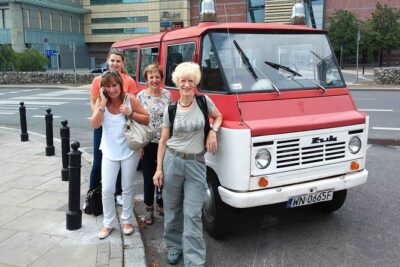
Warsaw for WWII Buffs – private tour with hotel pickup
Read the review →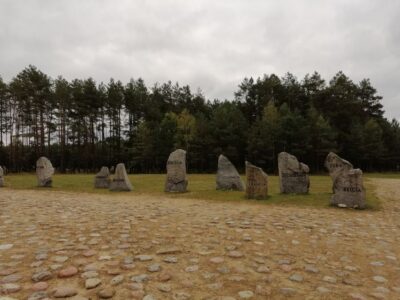
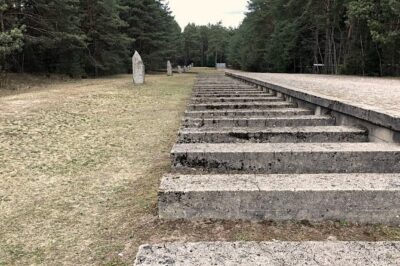
Treblinka Death Camp 6 Hour Private Tour from Warsaw
Read the review →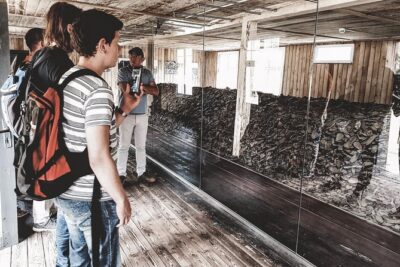
Stutthof Concentration Camp English Tour with Gdansk Hotel pickup
Read the review →
Majdanek Concentration Camp & Lublin Full Day Private Tour from Warsaw
Read the review →Browse the lists this tour appears in